
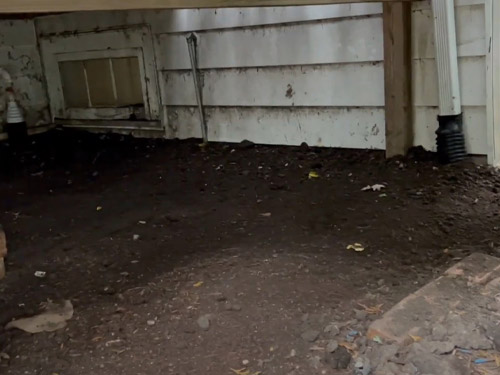
As a homeowner, few things are more stressful than waking up after a heavy spring storm to find standing water in your lowest level. An estimated 98% of U.S. basements will experience some form of flooding or water damage at some point. Dealing with a sump pump flooded basement scenario is a costly, exhausting ordeal that can disrupt your life for months.
According to FEMA, just one inch of water in a home can cause roughly $25,000 in damage. When you factor in structural repairs, mold remediation, drywall replacement, and ruined personal contents, an unmitigated basement flood often costs between $30,000 and $50,000 to resolve. Worse, many standard homeowners insurance policies exclude groundwater seepage, leaving you to foot the bill.
The most effective line of defense against this destruction is a properly sized sump pump for flooded basement protection, combined with smart exterior landscaping and drainage. Here is everything you need to know to protect your home, understand your pump options, and ensure surface water stays where it belongs: outside.
The Primary Causes of Basement Flooding
To stop water from ruining your home, you have to understand how it gets inside. For the 14.7 million owner-occupied homes in the U.S. that report basement dampness and flooding, the culprits usually fall into three categories:
- Hydrostatic Pressure: When the water table rises or the soil around your foundation becomes saturated (especially common in heavy clay soils), the immense pressure forces water through foundational cracks and the “cove joint” where the wall meets the floor.
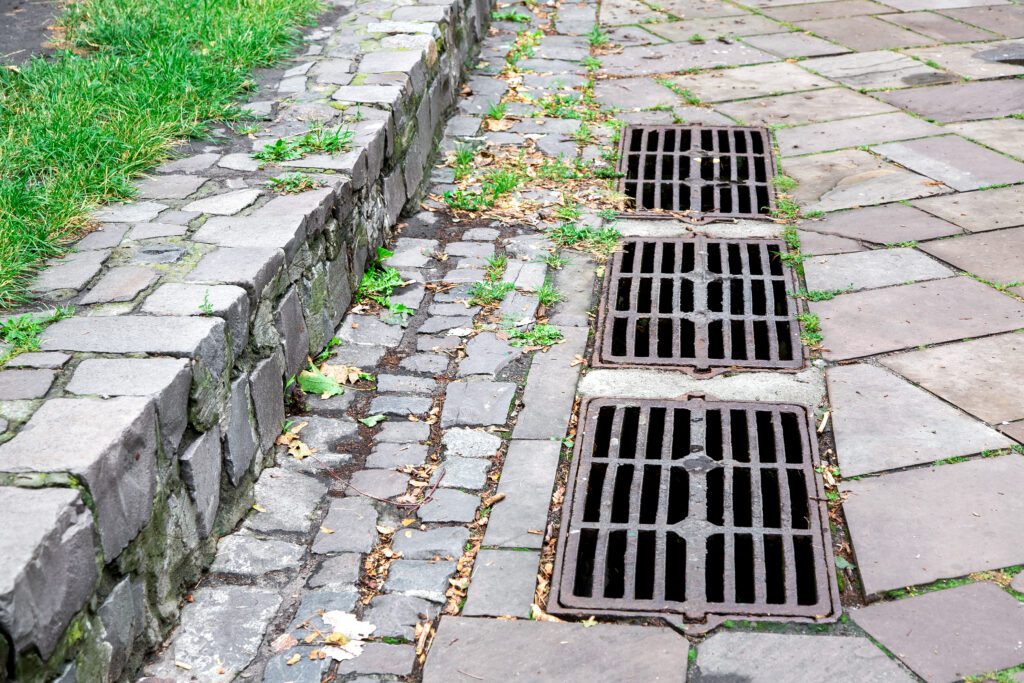
- Poor Exterior Drainage: This is a landscaping issue. Poor yard grading, clogged gutters, or downspouts that discharge water right next to the foundation funnel massive amounts of surface water directly into your basement.
- Equipment Failure: Power outages during severe storms account for roughly 25% of all sump pump failures, causing the pit to overflow exactly when you need it most.
How a Sump Pump Protects Your Home
A sump pump is an automatic, electric pump installed in a pit (usually 18 to 24 inches wide and 2 feet deep) at the lowest point of your basement.
As groundwater naturally flows toward this pit via perimeter drains, a float switch activates the pump. The pump then actively forces the water up and out of the house through a PVC discharge pipe. Local building codes typically require this water to be discharged at least 10 to 20 feet away from the foundation on a downward slope. Properly installed and maintained, these systems reduce flooding risk by 85% to 95%.
Comparing Sump Pump Types
Not all pumps are created equal. When selecting a pump to defend your home, you have a few primary options:
| Pump Type | Best For… | Pros | Cons | Typical Lifespan |
| Submersible | Most basements, finished spaces, frequent flooding. | Quiet, powerful, cast-iron models are highly durable and tolerate debris well. | Harder to access for service; slightly shorter lifespan than pedestals. | 5–15 years |
| Pedestal | Shallow pits, tight budgets, easy maintenance access. | Motor sits above the pit, making it easy to service and extending its life. | Louder operation, bulkier, generally less powerful. | 10–30 years |
| Battery Backup | Critical redundancy during severe weather. | Keeps pumping when the neighborhood loses electrical power. | Battery requires replacement every 3 to 5 years. | 5–10+ years |
| Combo System | High-risk homes, finished basements, high water tables. | Provides primary, secondary, and battery backup in one unit for ultimate peace of mind. | Highest upfront cost. | Varies by components |
The Gold Standard: For maximum protection, industry experts highly recommend a cast-iron submersible primary pump paired with an automatic battery backup system.
Sizing Your Pump Correctly
Putting a small, cheap pump in a high-water area is a recipe for disaster. Total Dynamic Head (the vertical lift plus the friction of the pipe) dictates how much power you need.
- 1/3 Horsepower (HP): The most common residential choice. Great for average homes with normal water tables, moving roughly 2,500 to 3,500 gallons per hour (GPH).
- 1/2 Horsepower (HP): Ideal for moderate-to-heavy water intrusion and longer discharge pipe runs, moving 3,500 to 5,000+ GPH.
- 3/4 to 1 Horsepower (HP): Necessary for high water tables, floodplains, deep basements, or chronic flooding situations.
2026 U.S. Installation Costs
Investing in a pump system is remarkably affordable compared to a $25,000 flood mitigation bill. Here is what U.S. homeowners can expect to pay on average:
- Pump Unit Only: $150–$300 (for a quality 1/3 to 1/2 HP submersible).
- Replacement in Existing Pit: $400–$700 (parts and labor).
- New Pit Installation: $600–$2,500 (Requires excavating the concrete floor and tying into drainage).
- Battery Backup Add-On: $350–$1,000+ fully installed.
Note: Costs can vary based on regional labor rates, especially in the Northeast and West Coast.
Maintenance: Keep the Water Flowing
A pump is only useful if it activates when the water rises. Perform these maintenance steps to ensure your system is ready:
- Quarterly Testing: Pour a bucket of water into the pit to ensure the float rises freely, the pump activates, and the water is expelled fully.
- Annual Cleaning: Disconnect the pump and clean the intake screen and impeller to remove gravel and debris.
- Inspect the Discharge Line: Ensure the exterior pipe is not frozen, clogged with yard debris, or discharging too close to the house.
- Check the Backup: Test the battery voltage every 6 months and proactively replace lead-acid batteries every 3 to 5 years.
The Exterior Solution: How Ware Landscaping Can Help
Installing a great pump inside is only half the battle. If you are pumping water out of your basement only for it to pool against your foundation and seep right back in, your pump will overwork, short-cycle, and eventually burn out.
To truly prevent a sump pump flooded basement, you must address your property’s exterior drainage. While plumbers handle the indoor pit, the experts at Ware Landscaping specialize in managing the water on the outside of your home.
Our team can design and install comprehensive exterior solutions that stop water before it ever breaches your walls. We offer:
- Proper Yard Grading: We re-slope the earth around your foundation, ensuring the critical 6-inch drop in the first 10 feet to naturally carry water away from your home.
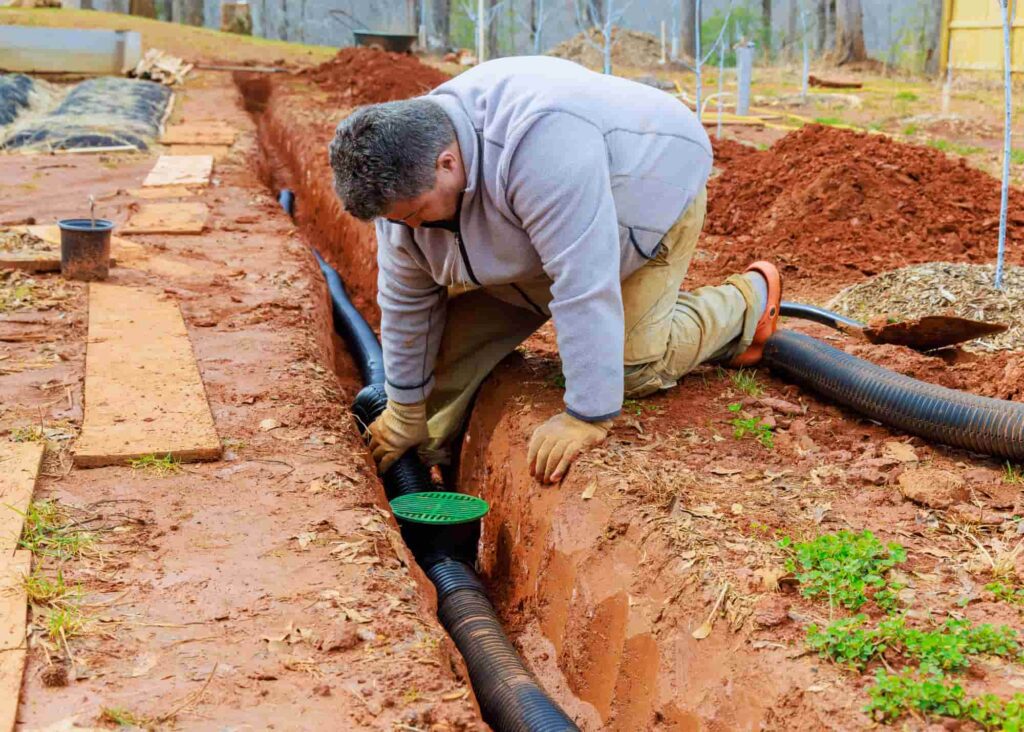
- French Drains & Weeping Tiles: We install subsurface drainage systems to intercept groundwater before it builds hydrostatic pressure against your basement walls.
- Downspout & Sump Discharge Routing: We expertly bury and route your gutter downspouts and sump pump discharge lines, directing the water safely away from your home while preserving the beauty of your yard.
Secure Your Property Year-Round
Your home is your largest investment, and you shouldn’t have to cross your fingers every time it rains. By combining a reliable sump pump for flooded basement protection with strategic exterior landscaping, you can create a dry, safe, and stress-free environment.
At Ware Landscaping, we provide robust residential and commercial property care. From intricate hardscape installations (patios, driveways, walkways) and custom yard landscape designs to seasonal maintenance and reliable commercial snow removal, we have the tools and expertise to maximize your property’s potential.
Don’t wait for the next storm to test your home’s limits. Contact Ware Landscaping today to discuss your property’s drainage, grading, and overall landscaping needs!