

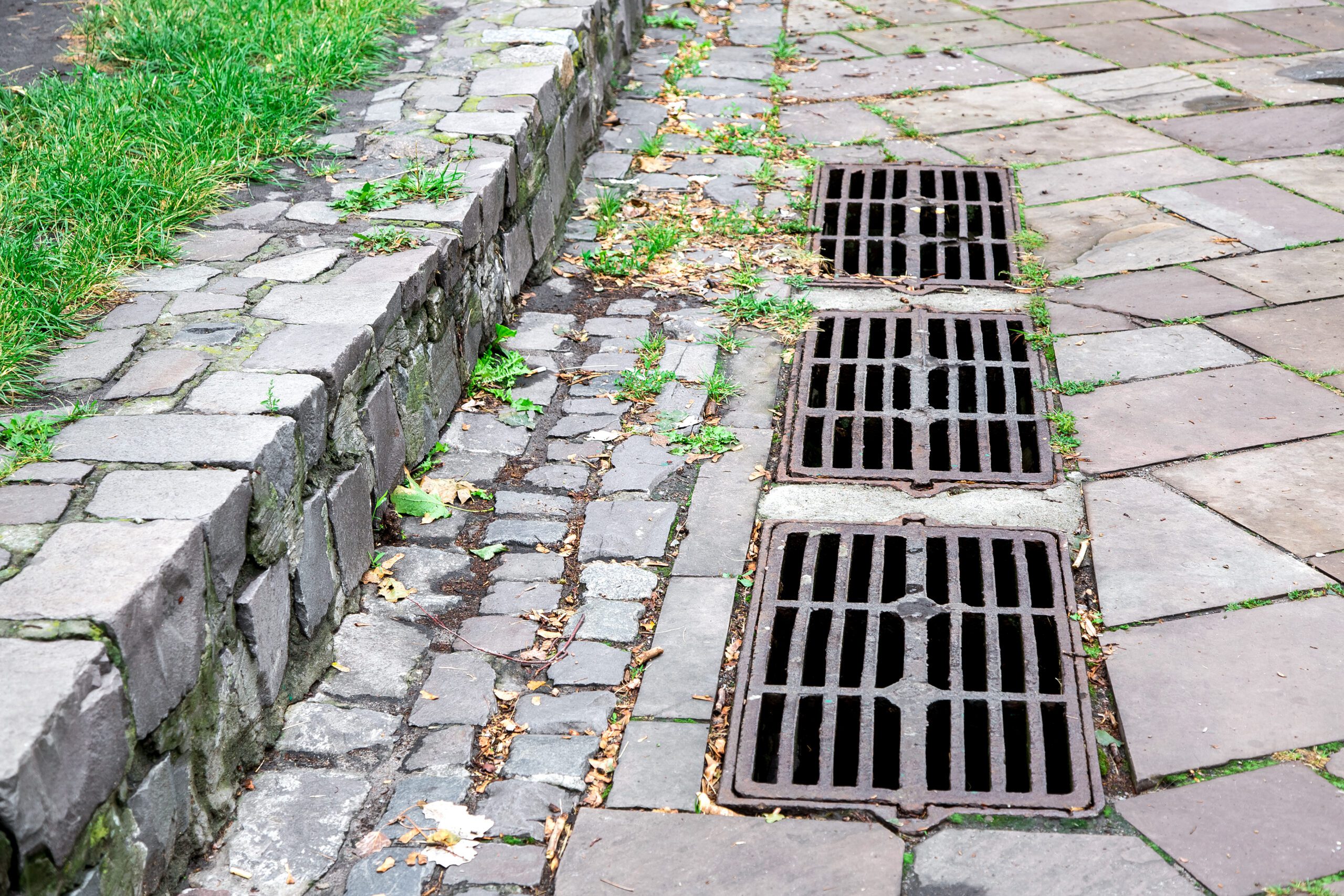
Choosing the right yard drainage contractor in Chicagoland can make the difference between a lasting solution and a lawn that floods after every heavy rainfall. Poor drainage can leave standing water, damage grass, erode soil, and allow moisture to collect near your home’s foundation. With freezing temperatures and snowmelt adding to seasonal drainage challenges in the Chicago area, addressing these issues properly is especially important.
The right contractor should do more than install a drain. They should identify why water is accumulating, explain the available solutions, provide a clear estimate, and design a system that works with your property’s grading, soil conditions, and drainage requirements.
Knowing what to look for before hiring a contractor will help you compare your options, avoid costly mistakes, and choose a solution that addresses the problem rather than temporarily covering it.
1. Look for Experience With Yard Drainage Problems
Not every landscaping company specializes in drainage. Some focus primarily on lawn maintenance, planting, or hardscaping, while others have experience diagnosing and correcting water-management problems.
Look for a contractor who understands common drainage issues, including:
- Standing water in low areas of the lawn
- Water pooling near the foundation
- Soil erosion and washed-out landscaping
- Poor yard grading and improper slopes
- Downspouts that discharge too close to the house
- Waterlogged lawns after heavy rain
- Drainage problems around patios, walkways, and driveways
Ask about projects similar to yours and how the contractor determined the cause of the problem. A knowledgeable professional should be able to explain why water collects in your yard instead of immediately recommending a particular drainage product.
For example, a low spot caused by uneven grading may need soil correction, while runoff entering from several directions may require a more comprehensive drainage plan. Understanding the common causes of standing water in a yard can also help you describe the problem more accurately when discussing your property with a contractor.
2. Make Sure the Contractor Diagnoses the Cause Before Recommending a Solution
Experience is important, but a contractor must also be able to determine what is causing the drainage problem. Standing water can result from compacted soil, poor grading, concentrated roof runoff, or an inadequate drainage system. In some cases, several of these issues may be contributing to the same problem.
A proper assessment may involve examining the property’s slope, observing where water collects, checking downspout discharge points, and identifying suitable drainage outlets.
Be cautious if a contractor recommends installing a French drain, catch basin, or another system without first evaluating your property. The effectiveness of a drainage solution depends on the source of the water and the conditions surrounding it.
Different systems serve different purposes:
- French drains: Collect and redirect subsurface water when properly designed and installed.
- Catch basins: Collect surface runoff and direct it into a connected drainage system.
- Yard regrading: Reshapes the ground to improve surface-water flow.
- Downspout drainage systems: Carry roof runoff away from areas where it could cause water accumulation.
- Drainage swales: Guide surface water along a carefully graded, shallow channel.
The right contractor should explain which option suits your situation, why it is appropriate, and whether additional grading or other work is necessary. This is particularly important when the problem involves several parts of the property rather than one isolated low spot.
3. Check Local Experience in Chicago and Surrounding Communities
Once you understand how the contractor approaches drainage problems, consider their experience working in your area. Chicagoland properties can have different drainage challenges depending on soil conditions, property layout, existing landscaping, and seasonal weather.
A contractor familiar with the region should understand how to plan for heavy rainfall, freezing conditions, snow accumulation, and spring snowmelt. They should also consider how water moves across neighboring properties and paved surfaces.
When comparing contractors, ask whether they have completed drainage projects in communities near your property, such as Chicago, Naperville, or other surrounding northeastern Illinois locations.
Local experience can help a contractor recognize common site conditions, but it should not replace an assessment of your individual property. Ask for examples of similar projects and, where possible, photographs or references that demonstrate the contractor’s work.
4. Verify Licensing, Insurance, and Relevant Requirements
Before allowing excavation or drainage work to begin, confirm that the contractor has appropriate insurance and any licences or registrations required for the work and location.
Ask for evidence of general liability insurance, workers’ compensation coverage where applicable, and any required local contractor licence or registration. Requirements can vary by municipality and by the type of work being performed, so contact your local building or permitting department if you are unsure whether your project requires approval.
Drainage work may also involve underground utilities, property boundaries, stormwater rules, or restrictions on where runoff can be discharged. These details should be considered during planning rather than discovered after installation.
A qualified contractor should identify relevant requirements before work begins and explain how they may affect the project. This helps prevent avoidable delays and reduces the risk of creating a drainage problem elsewhere on the property.
5. Request a Detailed Written Estimate
After assessing your property, the contractor should provide a written estimate that explains the proposed work, its cost, and what is included. If you are comparing several companies, ask each one to provide enough detail for you to evaluate the proposals fairly.
Your written estimate should identify:
- The drainage problem being addressed
- The proposed solution and project scope
- Materials and major components
- Excavation and installation work
- Soil, sod, seed, or landscaping restoration
- Drainage outlet arrangements
- Expected project timeline
- Payment terms and potential additional costs
- Warranty terms, exclusions, and maintenance requirements
Two estimates can differ significantly because they include different materials, excavation depths, drainage components, restoration work, or discharge arrangements. A lower quote may exclude work that another contractor has included, so compare the scope of each proposal rather than focusing on the final price alone.
Ask questions about anything that is unclear. If unforeseen site conditions could affect the cost, find out how additional work will be approved and charged.
A detailed estimate gives you a clearer understanding of what you are paying for and helps establish expectations before the project begins.
6. Ask About Drainage Design and Water Discharge
Even a well-installed drainage system can fail to solve the problem if it has nowhere suitable to release the collected water. This makes the drainage outlet an essential part of the design, not an afterthought.
Ask the contractor where the water will go, how the proposed system will handle runoff, and whether the discharge arrangement complies with applicable local requirements.
Depending on your property, the design may need to account for the elevation of the outlet, the direction of surface-water flow, soil conditions, groundwater, existing underground utilities, and nearby foundations, walkways, and driveways.
The contractor should also explain how the system will be maintained and what could happen if an outlet becomes blocked or freezes.
Be wary of proposals that redirect water onto a neighbour’s property or toward another structure without considering the consequences and applicable requirements. The aim is to manage runoff effectively without creating another drainage issue elsewhere.
7. Review References, Reviews, and Past Projects
Once you are satisfied with the proposed approach, take time to evaluate the contractor’s reputation. Customer reviews and project examples can help you understand their reliability, communication, and workmanship.
Look for feedback that specifically mentions drainage rather than general landscaping. A company may have excellent lawn-care reviews without demonstrating experience in correcting persistent water problems.
When reviewing a contractor, consider whether customers describe problems similar to yours, whether the contractor communicates clearly, and whether projects appear to have been completed as agreed. Pay attention to how the company responds when customers raise concerns.
Ask for references from previous drainage clients if available. If you speak with a past customer, ask whether the water problem improved after installation and whether the contractor addressed any issues that arose later.
Photographs can also help you evaluate completed work, especially when they show the original problem and the restored landscape. However, photographs alone cannot establish how well a drainage system performs over time. Look for consistent evidence across reviews, references, and project examples before making your decision.
8. Understand the Warranty and Aftercare
A drainage project does not end when installation is complete. Heavy rainfall, sediment, debris, soil movement, and freezing temperatures can all affect system performance, depending on the design and site conditions.
Before signing a contract, ask what warranty applies to the installation and which parts of the work it covers. Clarify whether it covers labour, materials, or both, how long it lasts, and what exclusions apply.
Some contractors may offer a specific drainage guarantee. If a contractor advertises one, request the written terms and confirm the conditions under which it applies.
You should also understand the system’s maintenance requirements. Depending on the installation, this may include clearing catch basins, inspecting outlets, keeping debris away from drainage openings, and checking for signs of renewed pooling.
A contractor who explains these responsibilities upfront helps you understand what support to expect after installation and what you will need to do to keep the system working properly.
9. Compare Value Instead of Choosing the Lowest Quote
Once you have reviewed the contractor’s experience, proposed design, estimate, and warranty, you can compare the overall value of each option.
The cheapest proposal is not necessarily the most economical choice over time. A quote may be lower because it excludes essential grading, uses different materials, provides less excavation or restoration, or fails to account for a suitable drainage outlet.
Consider the full scope of work, the contractor’s relevant experience, the quality of the proposed design, the written warranty, and the expected maintenance requirements.
Ask each contractor to explain the reasoning behind their recommendations. A reliable professional should be able to describe the benefits and limitations of the proposed solution without relying on pressure tactics.
The goal is to find a contractor who can address the underlying drainage problem with a clear, practical plan not simply the contractor who promises the quickest fix.
Questions to Ask Before Hiring a Yard Drainage Contractor
Before making your final decision, use your consultation to clarify anything that remains uncertain. The following questions can help you compare contractors and determine whether their proposals meet your needs.
- What do you believe is causing the water to collect in my yard?
- How will you confirm the cause before recommending a solution?
- Have you completed similar drainage projects in Chicagoland?
- Why are you recommending this particular drainage system?
- Where will the collected water discharge?
- Are permits, utility checks, or other approvals required?
- What exactly is included in the written estimate?
- Will the price change if you discover unexpected site conditions?
- What warranty applies to the installation?
- What maintenance will the system require?
- Who will handle landscaping restoration after excavation?
- Can you provide references from previous drainage customers?
The answers should help you understand not only what the contractor intends to install but also how thoroughly they have assessed the problem and planned the work.
Warning Signs to Watch for When Hiring a Drainage Contractor
As you compare your options, pay attention to how contractors communicate and handle your questions. A professional should be able to explain the problem and proposed solution in language you understand.
Take extra care if a contractor recommends a system without inspecting the property, cannot explain where the water will discharge, or provides a vague estimate without a clear scope of work. Refusing to provide appropriate proof of insurance, ignoring relevant permit or utility requirements, or offering a verbal guarantee without written terms are also reasons to ask further questions.
Be cautious of unrealistic promises about eliminating every drainage problem or pressure to pay before you have reviewed the project details.
These warning signs do not automatically establish that a contractor is unsuitable, but they may justify seeking another estimate. Choosing someone who communicates clearly and explains the work thoroughly makes it easier to move forward with confidence.
When Should You Hire a Yard Drainage Contractor?
Consider arranging an assessment when water repeatedly collects in your yard, remains long after rainfall, or causes visible damage to your lawn or landscaping. Professional advice is especially important when water pools near your foundation, basement entrance, or garage, or when previous attempts to correct the problem have failed.
Fall can be a useful time to assess drainage and complete suitable repairs before frozen ground and winter conditions make excavation more difficult. However, the appropriate timing depends on soil conditions, the scope of the work, and the weather.
Addressing drainage concerns early may also help you identify problems before spring snowmelt and seasonal rainfall place additional demands on your yard. If you already know that water collects in low areas or flows toward your home, resolving the underlying issue before winter can be more effective than repeatedly treating the visible puddles.
Choose Ware Landscaping for Yard Drainage in Chicagoland
Choosing a yard drainage contractor requires more than finding someone who can dig a trench or install a drain. You need a professional who understands the source of the water, evaluates your property’s conditions, explains the available options, and provides a clear plan for managing runoff.
Ware Landscaping serves homeowners in Chicago, Naperville, and surrounding northeastern Illinois communities with landscaping and drainage services. Whether you are dealing with recurring puddles, soggy lawn areas, poor grading, or water collecting near your home, the first step is to determine what is causing the problem and which solution is appropriate for your property.
Don’t let a recurring drainage problem become a bigger headache. Contact Ware Landscaping to discuss your yard drainage concerns and explore a solution suited to your property’s needs.