

If water is seeping into your basement, pooling along the foundation or turning the yard into a marsh, drain tile is often part of the fix. But “drain tile” can mean very different projects, from a perforated pipe in a yard trench to a full interior basement system with a sump pump. Those projects have very different price tags.
This 2026 guide breaks down drain tile installation cost by type, what drives the price up or down, extra costs homeowners often miss, and how to decide which system your property actually needs, with notes specific to Naperville and the Chicago suburbs.
Don't Gamble With Your Home's Foundation
A failing drain tile system is the #1 cause of catastrophic basement floods and cracked foundations. Whether you need a full-perimeter exterior system or a heavy-duty interior solution, get an engineered installation that is guaranteed to keep your home bone-dry for decades.
Get a Free QuoteWhat Is Drain Tile?
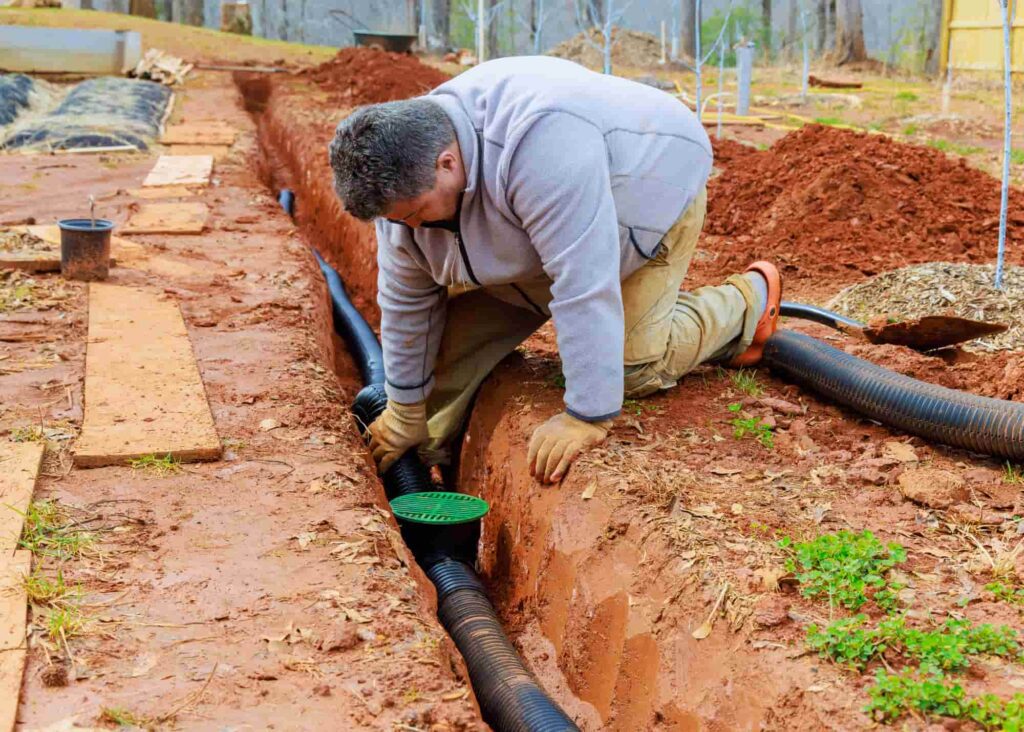
“Drain tile” is a term left over from the days when farmers and builders used short sections of clay tile to drain wet ground. Today, drain tile almost always means perforated plastic pipe (PVC or corrugated polyethylene) surrounded by clean stone and usually wrapped in filter fabric. Water in saturated soil enters the pipe and flows by gravity to an outlet or a sump basin.
You will hear drain tile called several things: French drain, perimeter drain, footing drain, weeping tile or subsurface drain. They all work on the same principle; the difference is where they are installed:
- Yard (landscape) drain tile runs through lawns and beds to dry out soggy areas and carry water away from the house.
- Exterior foundation drain tile runs along the outside of the foundation at the footing to relieve water pressure against basement walls.
- Interior drain tile is installed inside the basement, under the floor along the walls, and drains to a sump pump.
For more on how these systems work, see our explainer on how a French drain works.
Drain Tile Installation Cost at a Glance (2026)
Costs vary widely by project type, access and site conditions. The ranges below reflect current national and Chicago-area cost guides and are intended for early budgeting. A site visit is the only way to get a firm number.
| System type | Typical cost per linear foot | What drives the price |
|---|---|---|
| Yard / landscape drain tile | About $10–$65 | Length, depth, catch basins, outlet, lawn restoration |
| Interior basement drain tile | About $40–$100 | Breaking and replacing concrete, sump pump, finished basement access |
| Exterior foundation drain tile | Often the highest per foot | Deep excavation to the footing, wall waterproofing, decks, patios and landscaping in the way |
In the Chicago area, interior basement systems are commonly quoted in the range of roughly $58 to $70 per linear foot, which puts a typical 100- to 150-foot basement perimeter in the mid four figures to low five figures. Yard drain projects are usually smaller and less expensive, often in the low to mid thousands, but large multi-run systems with catch basins and regrading can cost more.
What Affects Drain Tile Installation Cost
1. Type of system
The biggest factor is where the drain tile goes. Yard systems involve trenching through soil. Interior systems require cutting and removing concrete along the basement walls, then replacing it. Exterior foundation systems require excavating along the house down to the footing, often 6 to 8 feet or more for a full basement.
2. Length of the system
Most drain tile is priced by the linear foot. A single 60-foot run to dry out a low area costs far less than a full perimeter around a house.
3. Depth
Deeper trenches mean more excavation, more stone and more restoration. Yard drains are usually 18 to 24 inches deep; foundation drains are much deeper. See our guide on how deep a French drain should be.
4. Soil and site conditions
Heavy clay, which is common in DuPage, Will and Kane counties, is dense and slow to dig and drain. Tree roots, rocks, old construction debris and buried utilities all add time. Tight access between houses may require smaller equipment or hand digging.
5. Outlet and discharge
Every system needs somewhere for the water to go. A short run to a nearby swale or curb is inexpensive. Long solid-pipe runs to a distant outlet, pop-up emitters, or a sump basin and pump add cost.
6. Sump pump
Interior drain tile almost always drains to a sump basin and pump. A new sump pump installation commonly adds several hundred to a couple of thousand dollars, depending on the pump, basin and whether a battery backup is included.
7. Catch basins, cleanouts and downspout connections
Yard systems often include catch basins at low points, cleanouts for maintenance and connections for downspouts and sump discharge lines. Each adds material and labor but makes the system work better and last longer.
8. Restoration
Exterior and yard work disturbs lawn, beds, edging and sometimes hardscape. Interior work may require removing and replacing finished walls or flooring. Restoration can be a meaningful part of the total budget.
Example Drain Tile Budgets
These simplified examples show how project type changes the budget. They use the per-foot ranges above and are for illustration only.
Example 1: Soggy backyard low spot
A 60-foot yard drain with two catch basins and a pop-up emitter in a lower part of the lawn. At roughly $10 to $65 per foot plus basins and restoration, a project like this commonly lands in the low thousands. Clay soil, tight access or a long run to the outlet push it toward the upper end.
Example 2: Downspout and sump water flooding the side yard
Four downspouts and a sump discharge connected to about 120 feet of buried solid pipe and a French drain section along the wet side yard, with a single outlet. This type of combined system often lands in the mid thousands and frequently resolves basement dampness by keeping water away from the foundation.
Example 3: Interior basement perimeter
A 130-foot basement perimeter with interior drain tile and a new sump basin and pump. At Chicago-area interior pricing, the drain tile alone can approach or exceed $7,500 to $9,000, before sump pump, battery backup and any finished-basement repairs.
Drain Tile in the Chicago Suburbs: Local Considerations
- Clay soil: slow-draining clay means water lingers near foundations and in lawns, making well-designed drainage more important and sometimes requiring closer drain spacing.
- Flat subdivisions: many lots in Naperville, Plainfield and Aurora have very little natural fall, so outlet planning and grading are critical.
- Freeze-thaw winters: outlets and sump discharge lines must be designed to avoid freezing shut.
- Municipal rules: towns regulate where sump pumps and drains can discharge, including connections to storm sewers and discharge onto sidewalks or neighboring lots.
- Heavy spring storms: systems should be sized for intense rainfall, not just average storms.
Additional Costs to Plan For
- Permits: some municipalities require permits for drainage or sump discharge work, especially for connections to storm sewers. Fees vary by town.
- Battery backup sump pump: strongly recommended in areas where storms cause power outages.
- Regrading: if the yard slopes toward the house, regrading may be needed for the drain tile to do its job.
- Downspout extensions or buried lines: often the most cost-effective part of a drainage upgrade.
- Wall waterproofing: exterior foundation work often includes membranes or coatings on the basement walls while they are exposed.
- Camera inspection: useful for diagnosing failed or clogged existing drain tile before replacing it.
Interior vs. Exterior vs. Yard Drain Tile: Which Do You Need?
Choose yard drain tile when
- The lawn stays soggy or ponds after rain.
- Water flows toward the house from the yard or a neighbor’s property.
- Downspouts and sump discharge keep the area near the foundation wet.
Fixing surface and yard water is often the first and most affordable step, and in many homes it solves basement dampness on its own. Learn more about our yard drainage solutions.
Choose interior drain tile when
- Water enters at the joint where the basement floor meets the wall.
- The basement takes on water even after yard drainage is fixed.
- Exterior excavation is impractical because of decks, patios, driveways or close neighbors.
Choose exterior foundation drain tile when
- Original footing drains have failed or were never installed.
- The walls themselves need waterproofing.
- The house is being renovated and the foundation is already exposed.
Signs You May Need Drain Tile
- Water or dampness at the base of basement walls after rain.
- A sump pump that runs constantly or cannot keep up during storms.
- Efflorescence (white mineral deposits) on basement walls.
- Musty odors or mold in the basement.
- Standing water or soggy soil near the foundation.
- Lawn areas that stay wet for days after rain.
DIY vs. Professional Drain Tile Installation
A short yard drain in an accessible area can be a DIY project for an experienced homeowner, especially with a rented trencher. Even then, getting slope, fabric and outlet right is critical, or the system will fail.
Interior and exterior foundation drain tile are not practical DIY projects. They involve breaking concrete, deep excavation next to the foundation, sump pump installation and, in some cases, structural and permit considerations. Mistakes can make water problems worse or damage the foundation.
How to Save Money on Drain Tile
- Fix the easy water first. Extend downspouts, redirect sump discharge and correct grading before committing to a basement system.
- Diagnose before you buy. Make sure the system you pay for addresses the actual source of water.
- Combine work. If you are already regrading, building a patio or replacing a driveway, add drainage at the same time.
- Schedule early. Late summer and fall are ideal for yard drainage work, before spring storms create urgent demand.
- Compare detailed quotes. Make sure each quote specifies length, depth, pipe type, stone, fabric, outlet, sump pump and restoration.
What a Good Drain Tile Quote Should Include
- Total linear feet and the route of the system.
- Trench depth and width.
- Pipe type and diameter, stone size and filter fabric.
- Number and location of catch basins and cleanouts.
- Where and how the system will discharge.
- Sump pump, basin and backup details if applicable.
- Restoration scope (sod, seed, concrete, finishes).
- Permits, utility locates and warranty terms.
Frequently Asked Questions
How much does drain tile cost per foot?
Yard drain tile commonly runs about $10 to $65 per linear foot, while interior basement drain tile is often around $40 to $100 per foot. Exterior foundation drain tile is usually the most expensive per foot because of the deep excavation.
Is drain tile the same as a French drain?
They use the same basic design: perforated pipe in clean stone. “French drain” usually refers to yard and exterior systems, while “drain tile” is often used for foundation and basement systems.
Is interior or exterior drain tile better?
Exterior drain tile stops water before it reaches the foundation but requires major excavation. Interior systems manage water that gets in and are usually less disruptive. Many homes are best served by fixing yard drainage first.
Does drain tile need a sump pump?
Interior drain tile does. Yard and exterior systems can often drain by gravity to an outlet, but a sump pump is needed when there is no downhill discharge point.
How long does drain tile last?
Properly installed systems with fabric, clean stone and a clear outlet can last for decades. Clogged outlets and missing fabric are the most common causes of early failure.
Can existing drain tile be repaired instead of replaced?
Often, yes. Clogged or crushed sections can sometimes be located with a camera inspection, then jetted clean or replaced in short sections. Replacing an entire system is only necessary when it has failed throughout or was installed without fabric and is filled with silt. A diagnosis first can save a significant amount of money.
Does homeowners insurance cover drain tile?
Drain tile installation is generally considered maintenance or improvement rather than an insured loss. Check your policy, especially for water backup and sump pump failure coverage.
Protect Your Home From Water the Right Way
Drain tile costs depend on where the system goes, how long and deep it is, and what it takes to get water off your property. Start by understanding the source of the water, fix grading and downspouts, and choose the system that targets the real problem.
Ware Landscaping specializes in yard and exterior drainage across Naperville and the western suburbs, including French drains, catch basins and buried downspout and sump lines, backed by our 10-year drainage guarantee. For yard drain pricing details, see our French drain cost guide.
Don't Gamble With Your Home's Foundation
A failing drain tile system is the #1 cause of catastrophic basement floods and cracked foundations. Whether you need a full-perimeter exterior system or a heavy-duty interior solution, get an engineered installation that is guaranteed to keep your home bone-dry for decades.
Get a Free QuoteContact us for a free drainage assessment.