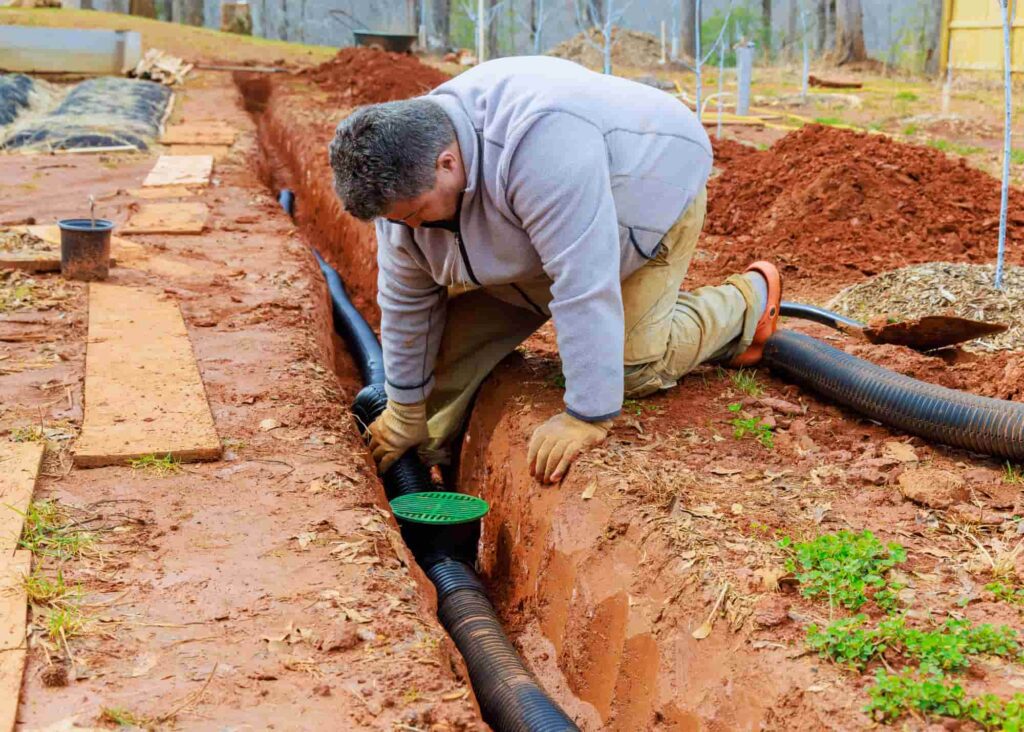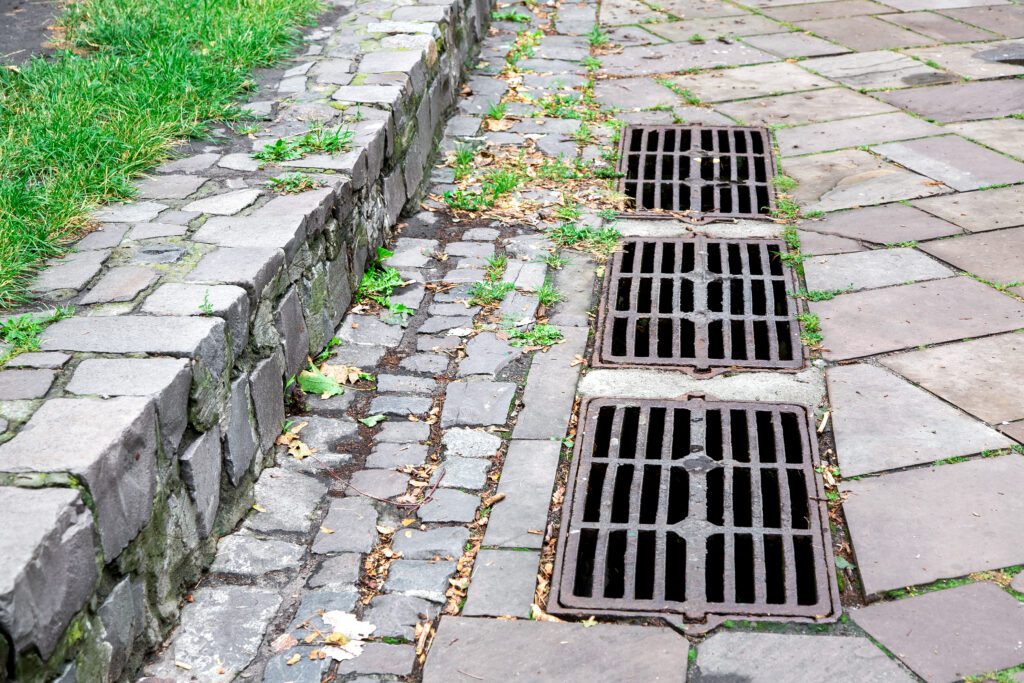

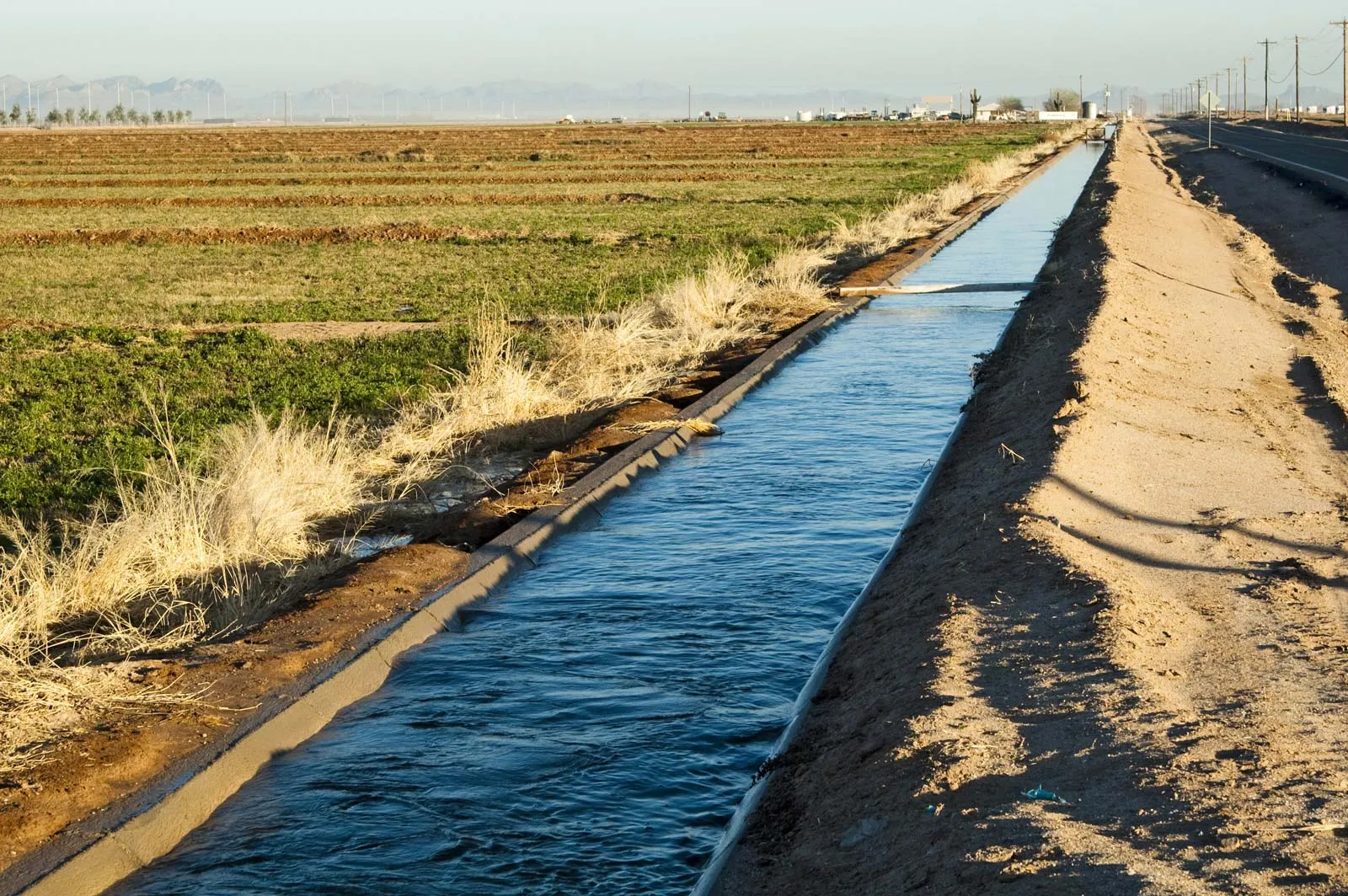
Healthy landscapes depend on water. Too little water stresses plants and soil. Too much water creates damage that spreads fast and costs time, effort, and frustration. Many property owners treat irrigation and drainage as separate systems, handled at different times or by different providers. That split approach creates problems that show up slowly and grow quietly until they become hard to ignore.
Irrigation and drainage work as a single system, even though they look different on the surface. One adds water. The other moves water away. Both affect soil structure, plant health, turf performance, and long term landscape stability. Ignoring how they interact leads to wasted water, damaged roots, uneven growth, erosion, and foundation issues.
Understanding how irrigation and drainage depend on each other helps homeowners avoid common mistakes and protect their landscapes year after year.
Water Does Not Care About System Boundaries
Water follows gravity, soil composition, and surface contours. It does not stop at the edge of a sprinkler zone or a drain inlet. When irrigation adds water to an area without a clear exit path, that water settles where it should not.
Soil becomes compacted. Roots struggle for oxygen. Turf thins out. Mulch floats away. Hardscapes stain. Mosquitoes appear. These problems often get blamed on poor irrigation coverage or bad drainage design, when the real issue comes from treating the systems as unrelated.
A well designed landscape considers where water enters and where it exits. Skipping either side creates imbalance.
Overwatering Often Masks Drainage Problems
Many irrigation issues start as drainage issues in disguise. Areas that stay wet longer than expected often receive blame for excessive watering, even when irrigation schedules look reasonable.
Poor drainage keeps water trapped below the surface. Irrigation adds more water on top, compounding the problem. Grass roots drown. Plants show yellowing leaves. Fungus spreads. Property owners respond by reducing irrigation or shutting zones off, which leads to dry spots nearby.
The real fix requires improving how water moves through and away from the soil, not simply cutting back watering.
Drainage Without Irrigation Planning Causes Dry Zones
Drainage systems installed without considering irrigation patterns often create the opposite problem. Water moves away too quickly from planting beds and turf areas. Soil dries out faster than expected. Roots stay shallow. Plants struggle during warm weather.
Surface drains, channel drains, and grading changes all affect how long moisture stays available to plants. Without adjusting irrigation coverage and timing, landscapes suffer stress even though water exists elsewhere on the property.
Drainage that works too aggressively can be just as damaging as drainage that fails.
Soil Health Sits at the Center of Both Systems
Soil acts as the meeting point between irrigation and drainage. Healthy soil absorbs water evenly and releases excess at a steady pace. Compacted or poorly structured soil creates runoff and pooling.
Clay heavy soil holds water too long. Sandy soil releases water too fast. Organic matter levels change how soil behaves under irrigation and rainfall. Treating irrigation and drainage separately ignores the soil conditions that connect them.
Testing soil texture, compaction, and absorption rates allows irrigation and drainage designs to support each other instead of competing.
Root Health Depends on Balanced Moisture
Plant roots need oxygen as much as water. Saturated soil pushes oxygen out. Dry soil collapses root systems inward. Balanced moisture creates strong, deep roots that anchor plants and turf.
Irrigation delivers water to the root zone. Drainage protects that same zone from suffocation. Ignoring one weakens the other. Shallow roots increase irrigation demand. Weak plants invite pests and disease.
Landscapes thrive when water reaches roots and exits before damage begins.
Surface Runoff Creates Long Term Damage
Water that runs across the surface erodes soil and exposes roots. Irrigation that sprays faster than soil can absorb contributes to runoff. Drainage systems that lack proper grading allow water to gather speed and strip soil away.
Runoff moves nutrients out of beds and lawns. It leaves behind bare patches and compacted areas. Over time, surfaces become uneven and hard.
Combining irrigation delivery rates with drainage flow paths reduces erosion and protects soil structure.
Hardscapes React to Poor Water Management
Patios, walkways, retaining walls, and driveways all interact with water. Irrigation that overshoots hard surfaces increases staining and algae growth. Drainage that fails near hardscapes leads to shifting and settling.
Water trapped beneath pavers weakens base materials. Freeze and thaw cycles magnify the damage. Cracks appear. Surfaces slope where they should not.
Planning irrigation zones and drainage routes together protects both plantings and built features.
Slopes Demand Special Coordination
Sloped properties amplify irrigation and drainage mistakes. Water applied at the top flows downhill. Poor drainage collects water at the bottom. Without coordination, slopes erode and plants struggle.
Drip irrigation paired with subsurface drainage often works better than spray systems alone. Terracing and grading must support both systems at once. Ignoring slope dynamics leads to bare soil, sliding mulch, and unstable planting areas.
Slopes require careful planning that respects gravity and soil movement.
Seasonal Weather Changes Expose Weak Designs
Landscapes experience dry periods and heavy rainfall throughout the year. Systems designed without flexibility fail during extremes.
Irrigation that runs on fixed schedules adds water during wet periods. Drainage sized only for average rainfall cannot handle storms. Treating these systems separately removes the ability to adapt.
Smart designs adjust irrigation timing based on rainfall and ensure drainage paths remain clear year round. Seasonal success depends on cooperation between both systems.
Small Problems Grow Quietly
Minor pooling seems harmless at first. A damp patch near a downspout goes unnoticed. Over time, soil shifts. Roots rot. Structures settle. These issues rarely appear overnight.
Treating irrigation and drainage separately delays diagnosis. Each system appears to work independently while damage builds underground. Integrated planning catches problems early and prevents costly repairs.
Early attention saves landscapes from long term decline.
Maintenance Requires a Unified View
Ongoing care matters as much as installation. Adjusting irrigation heads without checking drainage changes water patterns. Clearing drains without reviewing irrigation coverage creates dry zones.
Maintenance teams need to understand how both systems interact. Seasonal adjustments should consider plant growth, soil changes, and weather patterns.
A unified approach keeps landscapes healthy instead of chasing symptoms.
Water Efficiency Improves With Integration
Balanced systems use less water. Irrigation targets root zones precisely. Drainage removes only excess water. Waste drops when water stays where plants need it and exits where it does harm.
Treating irrigation and drainage together supports conservation without sacrificing plant health. Efficient landscapes save time and effort while performing better across seasons.
Efficiency grows from coordination, not restriction.
Planning Saves Time and Frustration
Landscapes built with separate water systems require frequent fixes. Adjustments pile up. Confusion grows. Results disappoint.
Integrated planning considers water movement from start to finish. Designers and installers work with the whole picture in mind. Homeowners enjoy landscapes that respond predictably to weather and care.
Good planning prevents problems rather than reacting to them.
A Landscape Is One System
Plants, soil, hardscapes, irrigation, and drainage form a single environment. Changing one part affects all others. Treating irrigation and drainage as separate tasks ignores that reality.
Water enters and leaves the landscape continuously. Managing both directions with equal care creates stable, attractive, and resilient outdoor spaces. Landscapes last longer and perform better when systems work together.
Understanding this connection helps property owners make smarter decisions and avoid the hidden costs of divided thinking.