

Learning how to prevent erosion is essential for any property owner looking to protect their land’s value and structural integrity. Soil erosion is a quiet but costly threat across the United States. Whether it’s the wind-driven loss of topsoil in the Great Plains or water carving deep gullies in a Naperville backyard, erosion strips away productivity and safety. In fact, soil erosion costs the U.S. agricultural sector approximately $44 billion annually and for residential homeowners, the price of fixing a collapsed retaining wall or a washed-out slope can be just as staggering.
We believe that the best defense against erosion is a proactive, nature-based offense. This guide explores the most effective strategies for stabilizing your land, from simple vegetative cover to engineered structural aids.
Understanding the “Why” Behind Erosion
Erosion occurs when natural forces water, wind, or gravity detach and transport soil particles. In the Midwest and Southeast, water is the primary culprit. When heavy rains hit bare or poorly managed soil, “sheet and rill” erosion occurs, where surface water flows create small, interconnected channels that eventually grow into destructive gullies.
For coastal landowners, the challenge is even greater. Driven by storms and rising sea levels, coastal erosion affects over 40% of the U.S. shoreline, requiring specialized “living shoreline” strategies to mitigate wave energy.
Primary Defenses: Vegetative and Soil Cover
The most effective way to prevent erosion is to ensure the soil is never bare. Vegetation acts as a biological “armor” that absorbs the impact of raindrops and binds soil particles with intricate root systems.
1. Vegetative Cover and Native Planting
Planting native grasses, shrubs, or cover crops is your first line of defense. Unlike standard turf grass, which has shallow roots, native prairie plants have roots that can extend 10 to 15 feet deep.
- Benefits: Reduces runoff velocity, improves soil structure, and boosts biodiversity.
- Application: Ideal for slopes and “dead zones” in your yard where grass won’t grow.
2. Strategic Mulching
Applying organic materials like wood chips or straw (up to 2 inches thick) provides immediate protection for bare soil.
- Benefits: Retains moisture, suppresses weeds, and cushions the soil from heavy rain.
- Pro Tip: In wildfire-prone areas like California, ensure you use fire-safe mulching practices.
3. Conservation Tillage and Cover Crops
For those with larger acreages or small-scale farms, keeping crop residue on the surface (at least 30% cover) can reduce soil loss by over 90% compared to traditional plowing.
Structural and Engineered Solutions
Sometimes, the slope is too steep or the water volume too high for plants alone. In these cases, structural aids provide the necessary reinforcement.
| Method | Description | Best Application |
| Terracing | Creating level “steps” on a step slope to break water flow. | Steep hillsides in residential yards. |
| Check Dams | Small barriers made of stone or biologs placed in drainage swales. | Areas with high-velocity runoff. |
| Erosion Blankets | Biodegradable mats that hold seed and soil in place on slopes. | Post-construction or newly seeded areas. |
| Contour Farming | Planting along the natural “curves” of the land rather than straight lines. | Hilly agricultural fields or large estates. |
Specialized Focus: Coastal and Shoreline Protection
Coastal erosion requires a shift from “hard” structures (like seawalls) to “soft” or nature-based solutions. Hard structures often bounce wave energy back, causing erosion on neighboring properties.
- Beach Nourishment: Adding sand to widen the buffer between waves and property.
- Living Shorelines: Using native vegetation and oyster reefs to absorb wave energy while supporting local ecosystems.
- Dune Stabilization: Planting beach grasses and installing sand fences to encourage natural dune growth.
Prevention Starts with Professional Planning
Effective erosion control is never a “one size fits all” solution. A strategy that works for a sandy coastal property will fail in the heavy clay soils of the Midwest.
A successful plan involves:
- Site Assessment: Evaluating slope percentage, soil type, and existing drainage patterns.
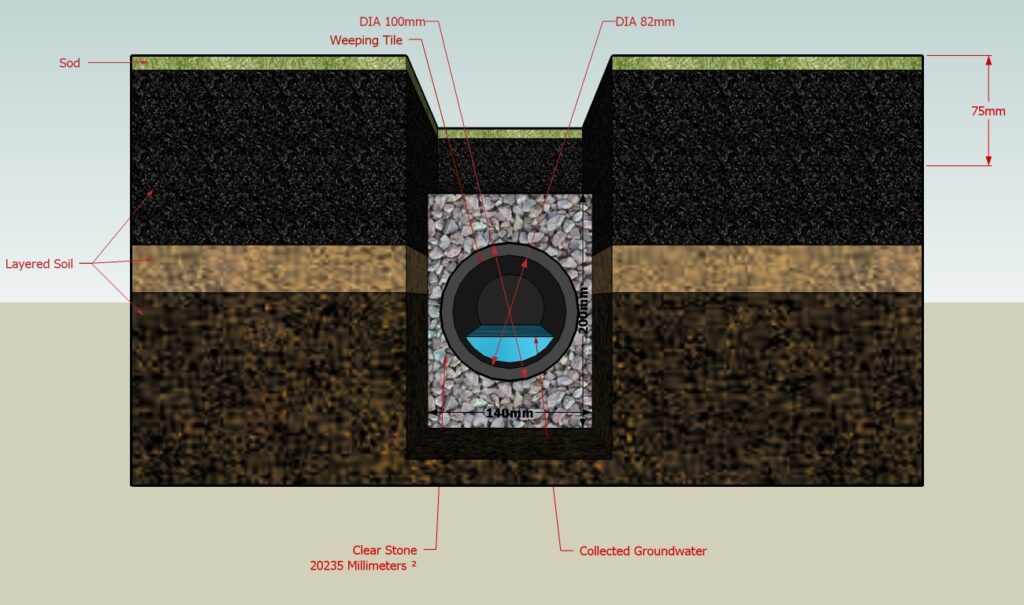
- Runoff Management: Redirecting water into systems like rain gardens or dry wells to prevent it from carving channels in the first place.
- Regular Maintenance: Monitoring for “weak spots” after major storms and repairing vegetative barriers before small rills turn into large gullies.
Secure Your Land with Ware Landscaping
Erosion doesn’t just take your soil; it takes your property’s value and safety. At Ware Landscaping, we specialize in identifying the root causes of erosion and implementing long-term, sustainable fixes.
From grading and drainage correction to the installation of beautiful, deep-rooted native landscapes, we provide the “Drainage Magic” needed to keep your land exactly where it belongs. We’ve spent over a decade helping homeowners in Naperville, Chicago, and the surrounding suburbs master their terrain.
Stop the Washout Today
Is your yard disappearing with every rain? Don’t wait for a small rill to become a major repair bill. Contact our experts for a comprehensive property assessment and an erosion control plan that lasts.
Call Ware Landscaping:
- Naperville: 630-885-6370
- Chicago: 312-485-0470
- Online: Book Your Erosion Assessment
At Ware Landscaping, we don’t just move water we master it.