
Winter in America brings picturesque snowfalls—and the dreaded chore of clearing driveways and sidewalks. As temperatures drop and snow accumulates across states from New York to Colorado, homeowners search for faster alternatives to traditional shoveling. Enter the flamethrower: a dramatic, fire-breathing solution that’s captured attention through viral videos showing homeowners blasting away ice and snow with streams of 1,000-degree flames.
But before you consider trading your snow shovel for a propane-powered torch, Ware Landscaping wants you to understand the full picture. Is using a flamethrower for snow removal actually safe? More importantly, is it practical? Let’s examine the facts behind this eye-catching winter trend.
The Appeal of Flamethrowers for Snow Removal
The concept sounds simple enough. Flamethrowers work by mixing combustible fuel—typically propane or diesel—with a pressurizing agent like CO2, then igniting it to produce a directed flame that can reach 25-30 feet. When applied to snow, the intense heat causes rapid melting or vaporization, theoretically clearing accumulations without the back-breaking work of shoveling.
Real-world examples exist. In 2020, a Kentucky resident used a handheld model to melt a thin ice layer on his driveway after shoveling the bulk of snow, helping prevent slips for elderly family members. Similarly, a Georgia homeowner employed one to de-ice neighborhood roads during a 2025 winter storm. These viral moments make the method look effortless and effective.
However, what works for a quick viral video doesn’t necessarily translate to a practical snow removal solution for most homeowners.
The Hard Truth About Effectiveness
The physics of snow removal with flamethrowers reveals significant limitations. Melting snow requires substantial energy—approximately 335 joules per gram. For a standard residential driveway, you’d need energy equivalent to hundreds of megawatts to clear even moderate snowfall completely. Consumer flamethrowers simply can’t deliver this kind of sustained power.
Handheld units typically run for only 30-60 seconds per fuel load, while backpack versions last just a few minutes. This means constant refilling for anything beyond the smallest patches of snow. Deeper accumulations require repeated passes, resulting in uneven melting that often leaves behind sooty residues or partially frozen slush.
Cold environments compound these challenges. Snow’s insulating properties, created by trapped air within the snowpack, cause heat to dissipate quickly into the surrounding air rather than efficiently penetrating and melting the snow. In sub-freezing temperatures, whatever you do manage to melt often refreezes within minutes, creating hazardous black ice—arguably more dangerous than the original snow.
Serious Safety Concerns
Safety experts universally caution against flamethrowers for routine snow removal, and their concerns are well-founded. The primary risks include:
Fire Hazards: Residential areas contain numerous flammable materials—wood fences, dry vegetation, mulch beds, and structures. Flames can ignite unintended targets, and unburnt fuel may pool on surfaces, creating ongoing burn hazards. Fire chiefs have labeled this practice “incredibly dangerous” and a “significant fire hazard.”
Refreezing Dangers: Defense and training experts note that flames lose potency in cold air, quickly turning melted snow back into ice. This creates treacherous black ice conditions that are actually more hazardous than packed snow, increasing slip-and-fall risks rather than eliminating them.
Personal Injury: Burns from mishandling are an obvious concern, but so is the physical fatigue from repeated refilling and operation. Improper storage of pressurized fuel tanks could even lead to explosions.
Property Damage: Beyond fire risks, flamethrowers leave scorch marks and soot on concrete, asphalt, and other surfaces. These aesthetic damages may be permanent.
While no widespread fatal accidents from snow-removal flamethrower use have been documented, the potential for disaster is clear. Most users lack proper training to handle these devices safely, especially in challenging winter conditions.
Legal Considerations for US Homeowners
Before considering a flamethrower purchase, understand the legal landscape. Flamethrowers aren’t classified as firearms by the ATF and face no federal restrictions, making them legal in 48 states. However, there are important exceptions:
Maryland has banned flamethrowers entirely, classifying them as destructive devices that require a federal firearms license for possession.
California requires permits for devices projecting flames over 10 feet, though manufacturers sell modified models with smaller nozzles for compliance.
Even in states where flamethrowers are legal, local ordinances or homeowners association rules may impose additional restrictions. Always check your municipal codes and HOA regulations before purchasing or operating one.
Environmental Impact
From an environmental perspective, propane flamethrowers emit CO2 and other gases during operation, contributing to greenhouse effects. While emissions are lower than some industrial de-icing methods and leave no toxic residues in soil or water like chemical de-icers do, the inefficiency makes them problematic. The enormous amount of fuel required to clear even small areas leads to unnecessary consumption and emissions—all for a method that often doesn’t work well anyway.
Safer, More Effective Alternatives
At Ware Landscaping, we recommend proven methods that prioritize both safety and efficiency:
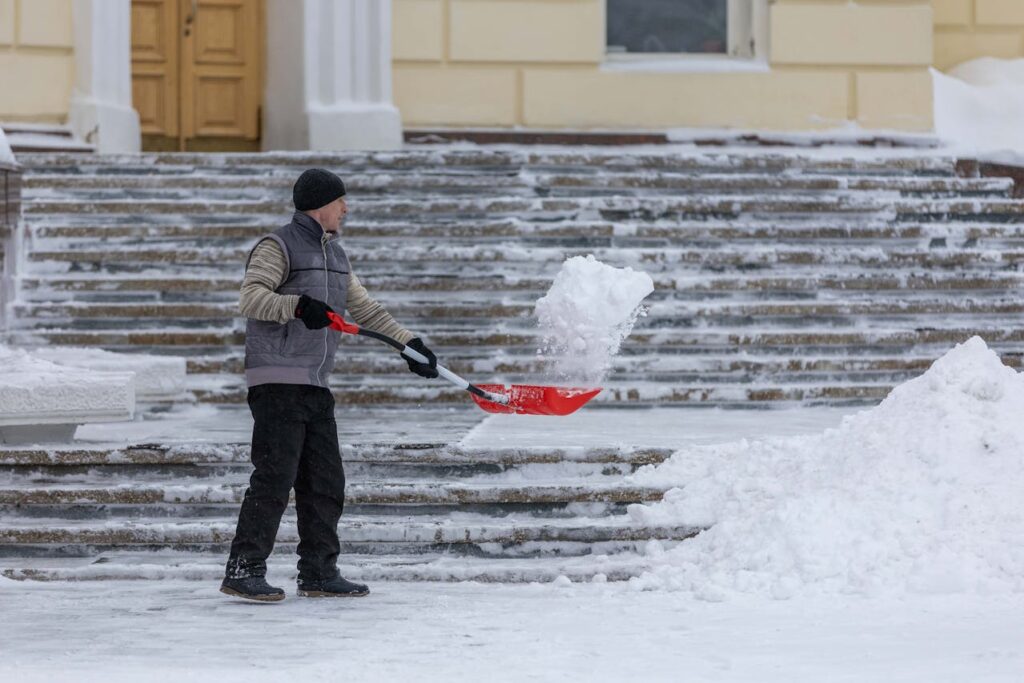
Traditional Shoveling: When done correctly—warming up first, taking breaks, using ergonomic tools, and lifting small loads—shoveling remains safe and effective for most residential properties. The National Safety Council recommends shoveling fresh snow before it becomes packed and staying hydrated throughout the process.
Snow Blowers: These provide mechanical assistance for larger areas and heavy snowfall without the extreme hazards of open flames. They’re faster than shoveling and far more practical than flamethrowers.
Heated Driveway Systems: For those seeking permanent solutions, heated mats or installed systems provide passive melting without chemicals, noise, or physical exertion.
Eco-Friendly De-Icers: Products like calcium magnesium acetate or sand offer quick melting for icy patches with minimal environmental harm compared to traditional salt.
The Bottom Line
While flamethrowers make for entertaining viral content, they’re impractical, potentially dangerous, and inefficient for snow removal. The limited runtime, high fuel consumption, refreezing issues, fire risks, and potential for property damage or personal injury far outweigh any perceived convenience.
The winter warriors at Ware Landscaping have seen countless snow removal trends come and go, and we can confidently say: stick with the tried-and-true methods. Whether you choose professional snow removal services, invest in a quality snow blower, or simply master proper shoveling technique, you’ll achieve better results with significantly less risk.
Save the flamethrowers for controlled agricultural burns or special effects—not your driveway. Your property, your neighbors, and your local fire department will thank you.
Need help with winter property maintenance? Contact Ware Landscaping for professional, safe, and reliable snow removal services that won’t set your yard on fire.