

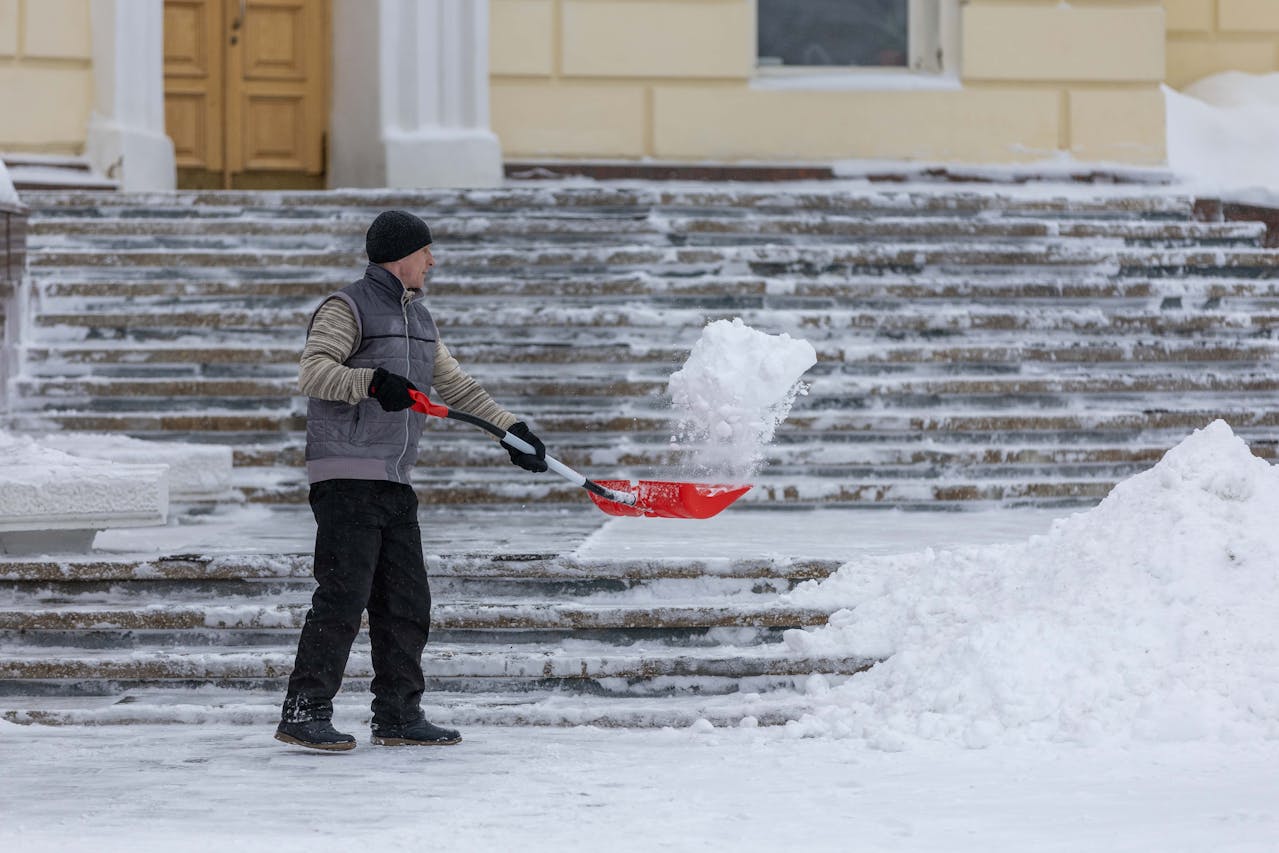
Winter in the United States brings a familiar set of challenges for homeowners and commercial property managers alike. When the temperature drops and the snow begins to pile up in the Northeast, Midwest, and across the “Salt Belt,” the immediate instinct is to reach for a bag of rock salt. While sodium chloride has been the standard for deicing since it was first adopted in New Hampshire in 1938, modern property care requires a more nuanced approach.
Today, the USA applies an estimated 20-25 million tons of road salt annually. However, as we learn more about its impact on our infrastructure, pets, and local ecosystems, it is clear that “more salt” isn’t always the right answer. At Ware Landscaping, we believe in a “smart salting” approach. This guide breaks down the science, the costs, and the best practices for managing ice on your property this winter.
How Salt Actually Works
Contrary to popular belief, salt doesn’t “melt” ice through heat. Instead, it works through a process called freezing point depression. When salt is applied to snow or ice, it dissolves into its component sodium and chloride ions. These ions interfere with the ability of water molecules to bond together into solid ice crystals, creating a liquid brine solution.
This brine is the secret weapon of snow removal. It spreads underneath the ice layer, breaking the bond between the ice and the pavement. Once that bond is broken, the ice becomes much easier to remove with a shovel or a plow.
Temperature Limitations
The effectiveness of rock salt is heavily dictated by the thermometer.
- Optimal Range: Rock salt works best when pavement temperatures are above 15°F to 20°F.
- The Critical Limit: Once temperatures drop below 15°F, the melting process slows significantly. Below 5°F, rock salt becomes virtually ineffective on its own.
- The Solution: In extreme cold, professionals often blend salt with other chlorides (like calcium chloride) or pre-wet the salt with liquid brine to jumpstart the chemical reaction.
The Pros and Cons of Rock Salt
Rock salt remains the most common choice for deicing due to its accessibility, but it is a double-edged sword.
The Benefits
- Cost-Effectiveness: At roughly $4.50 to $15 per 50-pound bag, it is the most budget-friendly option for large driveways and parking lots.
- Immediate Traction: The coarse grains of rock salt provide immediate “grit” for tires and boots, reducing slip-and-fall accidents by up to 85% on treated surfaces.
- Proven Track Record: It is a reliable, widely available tool that has been the backbone of American winter safety for nearly a century.
The Risks
- Corrosion: Salt is notoriously hard on infrastructure. In the USA alone, road salt contributes to an estimated $5 billion in annual repairs to vehicles, bridges, and concrete surfaces.
- Environmental Impact: Chloride is a “permanent” pollutant. Once it enters the soil or groundwater, it doesn’t break down. Research shows that 84% of urban streams in the USA have elevated chloride levels, which can be toxic to fish and amphibians.
- Pet and Plant Health: Rock salt can irritate a dog’s sensitive paw pads and can be toxic if ingested. Furthermore, salt buildup in roadside soil can “burn” grass and sterilize the ground, preventing future plant growth.
Which Deicer is Right for You?
If you are looking for alternatives that work in colder temperatures or offer better protection for your landscaping, there are several options available.
| Deicer Type | Effective Temp | Pros | Cons |
| Rock Salt | Down to 15°F | Cheapest option, widely available. | Highly corrosive; harms plants/pets. |
| Calcium Chloride | Down to -25°F | Works in extreme cold; melts fast. | High cost; can be slippery if overapplied. |
| Magnesium Chloride | Down to -15°F | Safer for pets and plants; less corrosive. | More expensive than rock salt. |
| Potassium Chloride | Down to 12°F | Safer for vegetation (used in fertilizer). | Slower melting; expensive. |
| Beet Juice Blends | Down to -20°F | Reduces salt use by 30%; eco-friendly. | Can stain surfaces; availability varies. |
| Sand/Traction Aids | N/A | Non-corrosive; provides instant grip. | Does not melt ice; messy cleanup. |
While premium options like Calcium Magnesium Acetate (CMA) offer the least environmental impact, they can cost $50-$100 per bag. For most homeowners, a blend of magnesium chloride or a beet-juice-infused salt offers the best balance of performance and protection.
Best Practices for “Smart Salting”
To protect your property and the environment, follow these professional tips for ice management:
- Shovel Early and Often: The less snow there is on the ground, the less salt you need. Never try to melt through six inches of snow with salt; shovel first, then treat the remaining thin layer of ice.
- The “Handful” Rule: You don’t need a white carpet of salt. One handful of rock salt is sufficient for one square yard (about the size of a sidewalk square). A single coffee mug of salt is usually enough for a 20-foot driveway.
- Pre-Treat Before the Storm: If you know a storm is coming, applying a liquid brine (a 23% salt-to-water mixture) to your driveway can prevent the ice from ever bonding to the pavement. This can reduce your total salt usage by up to 75%.
- Temperature Matters: If the temperature is below 15°F, don’t waste your rock salt. Switch to sand for traction or use a high-performance deicer like calcium chloride.
- Clean Up the Leftovers: Once the ice has melted and the pavement is dry, sweep up any visible salt crystals. This prevents them from being washed into storm drains or tracked into your home.
Navigating Regulations in the USA
In the “Salt Belt,” many states are moving toward stricter regulations to manage chloride pollution. Minnesota, for example, has established specific chloride standards to protect aquatic life, while New Hampshire offers “Green SnowPro” certification for contractors who demonstrate best practices in salt reduction.
Massachusetts requires salt to be stored in impervious, sealed sheds to prevent runoff into local water tables. Understanding these trends is vital for commercial property owners who want to stay compliant while ensuring the safety of their visitors.
Trust the Professionals for Your Winter Needs
Managing snow and ice is a delicate balancing act between safety, cost, and environmental stewardship. At Ware Landscaping, we specialize in professional snow removal and “smart salting” strategies tailored to your property’s specific needs. Whether you need a commercial parking lot cleared or your residential walkways deiced, we have the equipment and expertise to handle the toughest winter weather.
Don’t wait for the next blizzard to have a plan in place. Contact Ware Landscaping today for a consultation on our professional snow removal services and keep your property safe all season long.