
Winter across the United States from the blizzards of the Northeast and the lake-effect snow of the Midwest to the heavy accumulation in the Rockies is a season of beauty and burden. For homeowners, one of the most overlooked “silent threats” of winter is the weight accumulating directly over their heads.
We’ve seen how quickly a picturesque snowfall can turn into a structural emergency. Whether you are dealing with ice dams in Massachusetts or heavy drifts in Minnesota, understanding the science and safety of roof snow removal is essential. This guide provides everything you need to know to protect your property and your family.
Understanding the Risks: Why Snow on Your Roof is a Threat
Snow accumulation isn’t just a cosmetic issue; it is a matter of structural integrity. The weight of snow varies drastically depending on its moisture content.
The Weight of the “Silent Load”
Light, powdery snow is relatively easy on a roof, weighing roughly 5 pounds per square foot per foot of depth. However, “heart attack snow”—the heavy, wet variety common during thawing and refreezing cycles—can reach 20 pounds or more per square foot. If that snow becomes packed or absorbs rain, the weight increases dramatically.
| Snow Type | Weight per Square Foot (per foot of depth) | Common Scenarios |
| Light, Powdery | ~5 lbs | Fresh snowfall in dry, cold conditions. |
| Packed/Old Snow | ~5–10 lbs | After settling or multiple minor storms. |
| Wet/Heavy Snow | 20+ lbs | Post-rain or during thawing cycles. |
| Ice | ~5 lbs per inch | Forms in dams or from refreezing runoff. |
Most residential roofs in the U.S. are designed to handle a baseline snow load of 20–25 pounds per square foot. When you exceed this threshold, you risk sagging rooflines, cracked rafters, or catastrophic collapse.
The Danger of Ice Dams
Ice dams occur when warm attic air melts the bottom layer of snow on the roof. The water runs down to the cold eaves and refreezes, creating a barrier. This trapped water eventually seeps under the shingles, leading to interior stains, mold, and damaged insulation. In the U.S., many insurance policies cover collapses but may deny claims for ice dam damage if it’s determined that preventive maintenance (like snow removal) was neglected.
Regional Considerations: How Much Can Your Roof Handle?
Snow removal needs vary by state due to local building codes informed by the American Society of Civil Engineers (ASCE).
- The Northeast (MA, NY, VT): Massachusetts and New York typically require designs for 30–50 psf. If you live in a coastal area like Boston, you may face heavier, wetter snow than inland.
- The Midwest (MN, MI, WI): Minnesota codes mandate at least 30 psf after reductions, but ground snow loads can hit 40–60 psf in heavy winters.
- The Rockies/West (CO, UT, AK): In high-elevation areas like Colorado, ground snow loads can exceed 70 psf, requiring specialized roof designs.
Homeowners should consult the ASCE 7 Hazard Tool to find specific load requirements for their zip code. If your roof is older (built before modern code updates), your threshold for removal should be even lower.
When Should You Act? Timing Your Removal
Don’t wait for a leak to start. Proactive removal is the only way to ensure safety. We recommend taking action based on the following guidelines:
- The 6-12 Inch Rule: If you have 6 inches of heavy, wet snow or 12 inches of light, dry snow, it’s time to get the rake out.
- Visible Warning Signs: Look for sagging rooflines, bowed walls, or new cracks in the interior drywall. If interior doors start to stick or “bind” in their frames, it’s a sign that the weight of the roof is compressing the house structure.
- The Weather Forecast: If you already have a foot of snow and the forecast calls for rain or a second storm, clear the roof immediately. Rain acts like a sponge, doubling the weight of existing snow in hours.
Step-by-Step: How to Remove Snow Safely
Safety is paramount. Falls from ladders and roofs are among the leading causes of winter injuries in the U.S.
Step 1: Work from the Ground
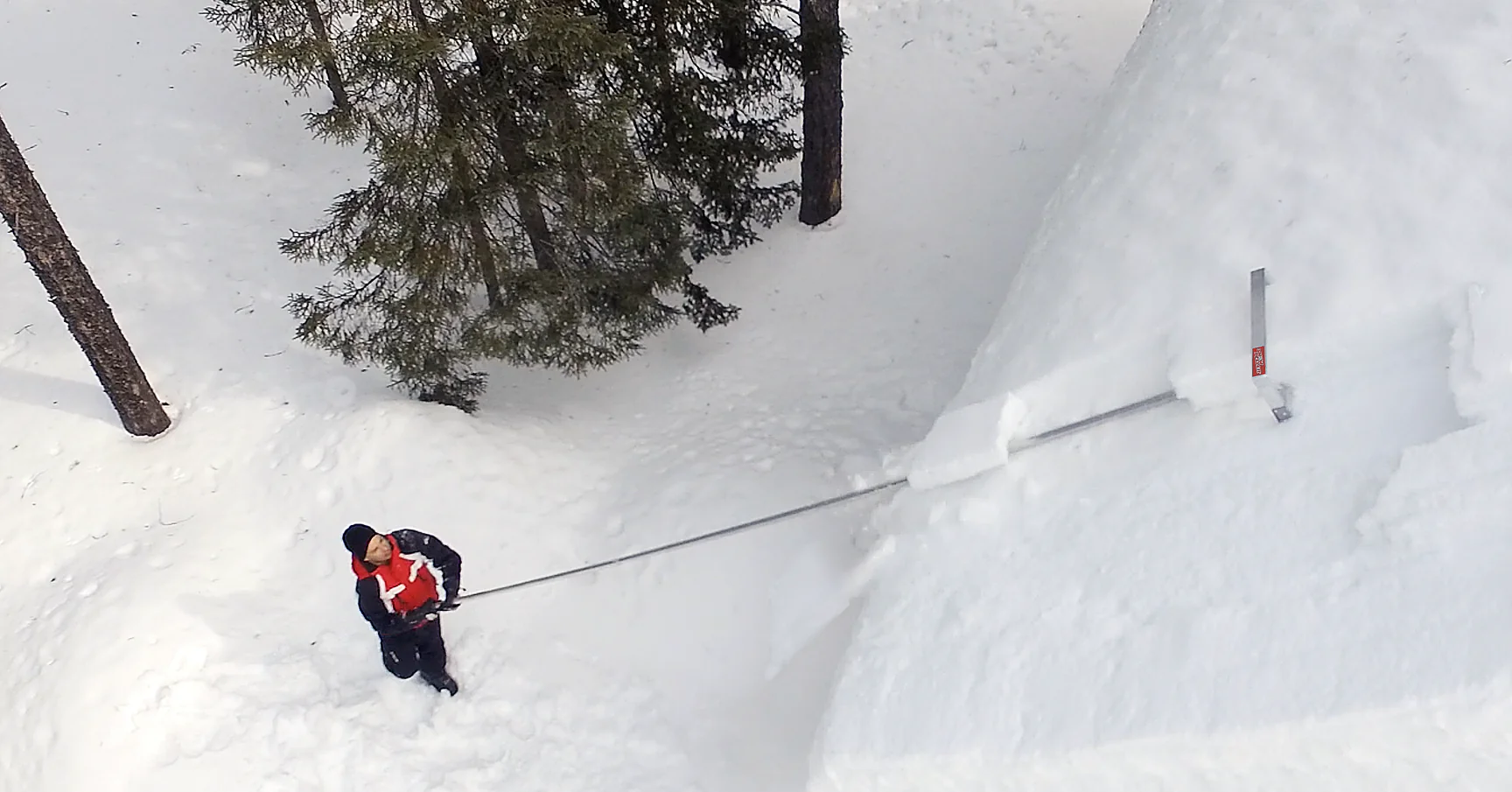
The safest DIY method is using a telescoping roof rake.
- Technique: Stand on the ground and pull the snow toward you in small sections. Start from the eaves and work your way up about 3–4 feet.
- The “3-Inch Rule”: Never scrape the shingles bare. Always leave 2–3 inches of snow on the roof to act as a protective buffer. Scraping the shingles directly can remove the protective granules and void your roof’s warranty.
Step 2: Clear the Eaves and Gutters
Focus on the overhangs. By clearing the first few feet of the roof, you allow melting snow from the higher points to drain off the roof rather than hitting a cold edge and forming an ice dam.
Step 3: For Flat Roofs
If you have a flat roof (common in commercial properties or modern residential designs), you may need to go onto the roof.
- Use Plastic Only: Never use a metal shovel on a roof. A plastic shovel or a specialized snow blower (on a flat surface only) is required to prevent tearing the roof membrane.
- Uniformity: Shovel uniformly to keep the weight distributed. Avoid creating massive piles in one corner of the roof while clearing another.
Essential Tools for the Job
Investing in the right tools can prevent thousands of dollars in roof damage.
| Tool | Best For | Price Range |
| Telescopic Roof Rake | Standard sloped roofs; DIY use. | $50–$80 |
| Snow Slide System | Deep snow; allows snow to “avalanch” down. | $100–$150 |
| Wheeled Rakes | Asphalt shingles (prevents scraping). | $80–$120 |
| Calcium Chloride | Melting drainage channels through ice dams. | $20–$40 |
Pro Tip: Avoid using salt (sodium chloride) on your roof, as it can corrode metal gutters and kill the landscaping below when it melts. Stick to calcium chloride.
Avoiding Common Pitfalls
- No Ladders: Do not lean a ladder against a gutter clogged with ice and snow. It is incredibly unstable.
- No Flames: Never use a blowtorch or heat gun to melt ice. This is a fire hazard and will damage your shingles instantly.
- Mind the Power Lines: Metal roof rakes are excellent conductors. Always look up and stay at least 10 feet away from any overhead power lines.
Long-Term Prevention Strategies
While removal is a great short-term fix, the best solution is preventing snow and ice issues through home maintenance.
- Attic Insulation: Aim for an R-value of 49 or higher in cold climates. This keeps the heat in your home and prevents the roof from warming up and melting the snow.
- Ventilation: Ensure your soffit and ridge vents are clear. Proper airflow keeps the roof deck at the same temperature as the outdoor air.
- Gutter Maintenance: Clean your gutters every fall. Clogged gutters are the primary catalyst for ice dams.
When to Hire a Professional
Roof snow removal is dangerous, physically demanding work. You should call a professional like Ware Landscaping if:
- The snow is too deep or heavy for a standard rake.
- You have a multi-story home that cannot be reached from the ground.
- Significant ice dams have already formed.
- You are elderly or have health conditions that put you at risk for overexertion in the cold.
Professional crews are equipped with OSHA-compliant fall protection, steam machines for ice dam removal, and the experience to clear your roof without damaging your shingles.
Conclusion
Your roof is your home’s first line of defense against the elements. By understanding the weight of snow, monitoring for warning signs, and using the right tools, you can ensure your home stays safe all winter long.
At Ware Landscaping, we take pride in helping our community navigate the challenges of the seasons. From professional snow removal to seasonal property care, we are here to handle the heavy lifting so you don’t have to.
Is your roof ready for the next big storm? Contact Ware Landscaping today for a professional property assessment and reliable snow removal services.