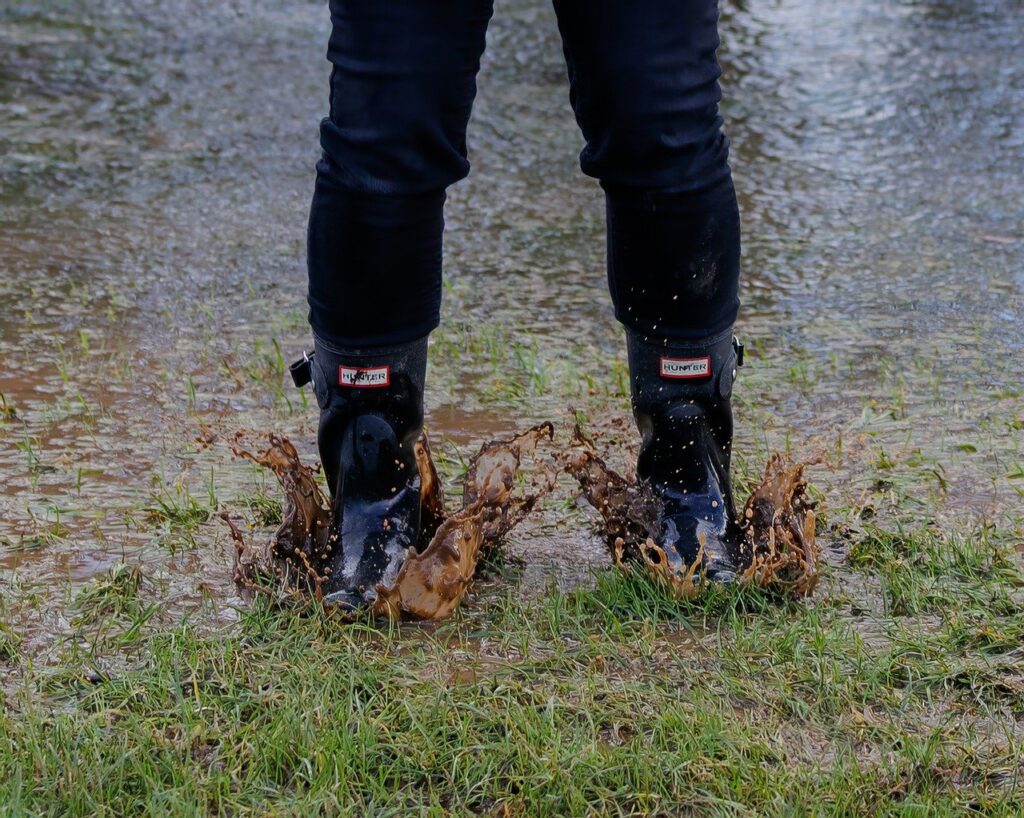

Poor drainage is one of the most common problems homeowners face. Standing water, soggy lawns, muddy walkways, basement leaks and soil erosion are often signs that water is not moving away from the property correctly.
Drainage problems can start small, but they may become expensive if ignored. Water collecting near a home can damage the foundation, create mold issues, attract pests, ruin landscaping and reduce curb appeal. In some cases, repeated flooding or soil movement can lead to major repair costs.
The right solution depends on the source of the water, the slope of the yard, the soil type and where the water can safely drain. Some problems can be improved with simple downspout extensions, while others may require regrading, French drains or a full drainage system.
Below are five home drainage solutions that can help manage water and protect your property.
1. Yard Regrading
Yard regrading is the process of reshaping the ground so water flows away from the house instead of toward it. This is one of the most important drainage solutions because it addresses the basic movement of surface water.
A properly graded yard should slope away from the foundation. A common guideline is a drop of about six inches within the first ten feet from the home, where possible. This helps rainwater move away naturally instead of collecting around the basement or crawl space.
Regrading may involve adding soil, removing high spots, filling low areas and reshaping sections of the lawn. In some cases, new sod or seed may be needed after the work is complete.
Best For
Yard regrading is useful for:
- Water pooling near the foundation
- Low spots in the lawn
- Poor surface drainage
- Soil erosion
- Yards that slope toward the house
- Older properties with settled soil
Pros
Regrading is a long-term solution when done correctly. It improves the overall drainage pattern of the yard and can support other systems such as downspouts, swales and French drains.
It can also improve lawn health by reducing soggy areas and preventing repeated soil washout.
Cons
Regrading can be disruptive because part of the yard may need to be excavated or rebuilt. It may not solve drainage problems in very flat areas, properties with a high water table or yards without a suitable outlet for water.
For larger projects, professional help is usually recommended.
2. French Drains
A French drain is a subsurface drainage system that collects water and redirects it away from problem areas. It typically includes a trench, gravel, landscape fabric and a perforated pipe.
Water enters the gravel and pipe, then flows toward a safe outlet such as a drainage basin, dry well, storm drain or lower area of the property.
French drains can be installed in yards, around foundations, beside patios or in areas where water collects after rain.
Best For
French drains are often used for:
- Persistent wet areas
- Basement water problems
- Water collecting along foundations
- Soggy side yards
- Poorly draining clay soil
- Runoff from higher parts of the yard
Pros
French drains are effective for moving a large amount of water below the surface. Once installed, they are mostly hidden and can last for decades with proper design and maintenance.
They are especially useful when surface grading alone cannot solve the problem.
Cons
French drains require digging, which can disturb lawns, planting beds and hardscapes. They must also be installed with the correct slope. If the system has no proper outlet, the water may simply move from one problem area to another.
Over time, sediment, roots or debris can clog the system, especially if it is poorly installed.
3. Rain Gardens
A rain garden is a shallow planted area designed to collect and absorb runoff from roofs, driveways, patios or lawns. Instead of sending all water into a storm drain, a rain garden allows water to soak slowly into the ground.
Rain gardens are usually planted with deep-rooted native plants, grasses and flowers that can tolerate both wet and dry conditions.
Best For
Rain gardens are a good option for:
- Roof runoff
- Driveway runoff
- Mild to moderate yard drainage issues
- Eco-friendly landscaping
- Erosion control
- Pollinator-friendly designs
Pros
Rain gardens improve drainage while also adding beauty to the landscape. They help filter pollutants, reduce stormwater runoff and support birds, butterflies and beneficial insects.
They can also improve curb appeal when designed properly.
Cons
A rain garden must be installed in the right location. It should not be placed too close to the foundation or in an area where water already sits for too long.
Heavy clay soil may require soil amendments or additional drainage support. Plants also need care during the first growing season while they become established.
4. Permeable Paving
Permeable paving allows water to pass through the surface into a stone base below. It can be used for driveways, patios, walkways and other hardscape areas.
Instead of water running across solid concrete or asphalt, it moves through the joints or surface openings and into a prepared drainage layer.
Common permeable paving options include permeable pavers, porous concrete and gravel systems with stabilization grids.
Best For
Permeable paving works well for:
- Driveway drainage
- Patio puddling
- Walkway runoff
- Hardscape areas near planting beds
- Properties with too many impervious surfaces
- Outdoor living spaces that need better water management
Pros
Permeable paving reduces runoff, helps prevent puddles and can support a cleaner, more sustainable landscape design. It is also attractive and can be used as part of a larger outdoor living project.
When properly installed, it can handle foot traffic and even vehicle traffic.
Cons
Permeable paving usually costs more than basic concrete or standard pavers. It also requires the right base preparation and regular maintenance to prevent sediment from clogging the joints.
It may not be ideal for steep slopes or areas where the underlying soil cannot absorb water effectively.
5. Downspout Extensions, Gutters and Catch Basins
Sometimes the simplest drainage solutions make the biggest difference. Gutters and downspouts collect roof water, but if they discharge too close to the home, they can create foundation problems.
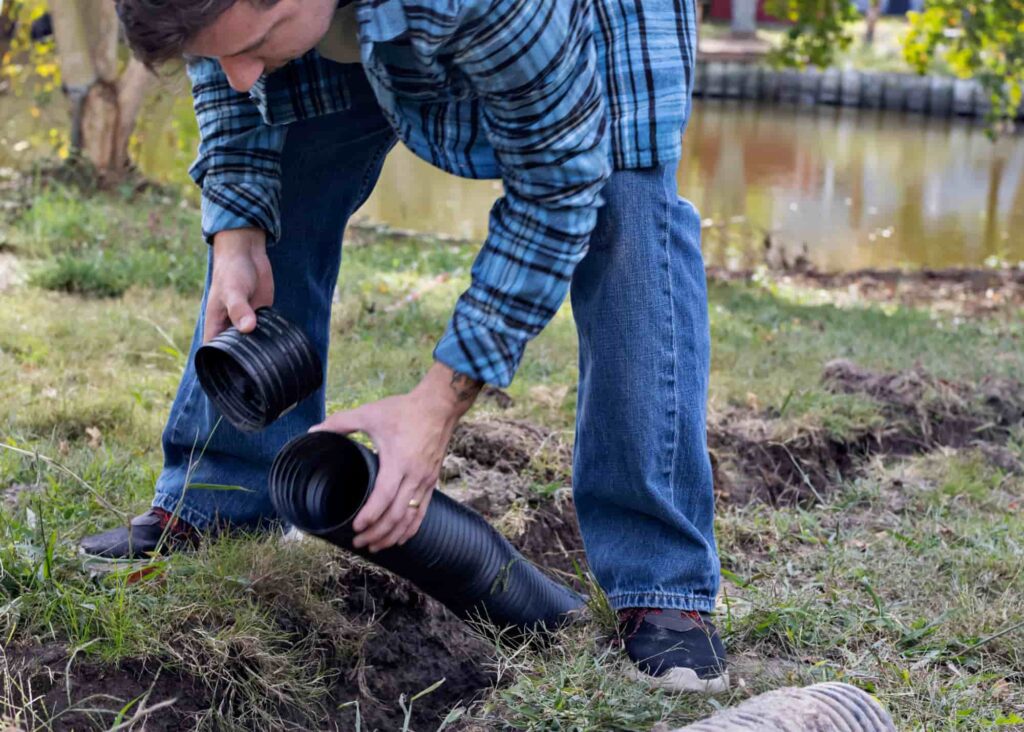
Downspout extensions move roof runoff farther away from the house. They may be placed above ground or buried underground for a cleaner appearance.
Catch basins are surface drains that collect water from low areas, patios, driveways or walkways and direct it into an underground pipe.
Best For
These solutions are useful for:
- Roof runoff near the foundation
- Water collecting beside walkways
- Driveway puddles
- Patio drainage
- Small low spots
- Foundation moisture prevention
Pros
Downspout extensions are affordable and can often be installed quickly. They provide immediate improvement when roof water is the main issue.
Catch basins are useful when water needs to be collected from a specific surface area and moved elsewhere.
Cons
Above-ground extensions can be unattractive or get in the way of mowing. Buried pipes must be installed correctly so they do not clog or freeze.
Catch basins also require cleaning because leaves, soil and debris can collect inside the grate.
How to Choose the Right Drainage Solution
The best home drainage solution depends on what is causing the water problem.
If water is flowing toward the house, regrading may be the first step. If groundwater or runoff collects in one area, a French drain may be needed. If roof water is the issue, downspout extensions may solve the problem quickly.
For eco-friendly drainage, rain gardens and permeable paving can reduce runoff while improving the appearance of the yard.
Many properties need more than one solution. For example, a yard may require regrading, buried downspout extensions and a French drain to fully control the water.
Before digging, homeowners should call 811 to check for underground utilities. Local codes, HOA rules and stormwater regulations should also be reviewed before redirecting water.
Final Thoughts
Drainage problems should not be ignored. Standing water, soggy lawns and foundation-side pooling can lead to expensive repairs over time.
The five most effective home drainage solutions are yard regrading, French drains, rain gardens, permeable paving and downspout or catch-basin systems. Each option solves a different type of water problem.
The key is to identify where the water comes from, where it collects and where it can safely go.
For serious or recurring drainage issues, a professional assessment can help prevent guesswork and ensure the right solution is installed.
Ware Landscaping helps homeowners improve outdoor drainage, protect their foundations and create healthier, more functional landscapes.
Frequently Asked Questions
What is the best drainage solution for a wet yard?
The best solution depends on the cause. A wet yard may need regrading, a French drain, a rain garden or a combination of systems.
How do I stop water from pooling near my foundation?
Start by checking gutters, downspouts and grading. Water should be directed away from the home using proper slope, extensions or underground drainage.
Are French drains worth it?
French drains are worth it when water repeatedly collects in the same area or affects the foundation, basement or lawn.
Can a rain garden fix yard drainage?
A rain garden can help with mild to moderate runoff, but it may not be enough for severe flooding or groundwater problems.
How far should downspouts drain from the house?
Downspouts should discharge several feet away from the foundation, and farther when possible, depending on the slope and yard layout.