
Yard grading can help fix standing water before winter by correcting the slope of the ground and directing rainwater and melting snow away from low areas and your home’s foundation. When water collects because the lawn slopes toward the house, contains uneven depressions, or lacks a suitable drainage path, regrading can improve runoff and reduce pooling.
However, grading will not solve every standing-water problem. Compacted soil, heavy clay, blocked downspouts, high groundwater, and inadequate underground drainage can also cause water to accumulate. The right solution depends on where the water comes from, why it collects, and where it can drain safely.
For homeowners in Chicago, Naperville, and surrounding Illinois communities, correcting grading problems before winter can help prepare the property for seasonal rain, freezing temperatures, and spring snowmelt.
Understanding the cause of standing water is the first step. Here’s how to recognize when grading may help, when additional drainage work is necessary, and what to consider before winter arrives.
Why Yard Grading Matters Before Winter
Standing water can affect more than the appearance of your lawn. Persistent moisture may damage grass, contribute to soil erosion, and increase the risk of water collecting around the foundation.
Winter can make these problems more difficult to manage. Frozen ground may limit infiltration, while melting snow can add moisture to an already saturated yard. Without an effective drainage route, water may collect beside the house, around walkways, or in low sections of the lawn.
Correcting grading problems before winter can help surface water move away from vulnerable areas. The key is understanding whether the ground’s slope is actually causing the problem.
If water is accumulating because of a blocked drain, poorly draining soil, or high groundwater, regrading alone may not be enough. In those cases, the yard may need additional drainage improvements.
Addressing the problem early also gives you more time to assess the available options before freezing conditions make outdoor work more difficult. Taking steps to fix yard drainage problems before winter can help reduce the risk of water accumulating around your foundation during winter and spring snowmelt.
1. Water Keeps Pooling in the Same Low Spots
One of the clearest signs that yard grading may be necessary is recurring standing water in the same areas after rainfall.
You might notice puddles in the middle of the lawn, near a patio, along a walkway, or in a section where the ground has settled. These depressions collect runoff from surrounding areas, and without a suitable route for the water to escape, the puddles may remain long after the rest of the lawn begins to dry.
Regrading can help by correcting the low areas and reshaping the surrounding ground so water moves toward an appropriate drainage destination.
Before making changes, consider how much water collects and how long it remains. A temporary puddle after an unusually heavy storm does not necessarily indicate a grading problem. Repeated pooling after ordinary rainfall, however, deserves closer attention.
If the same areas remain wet after surface corrections, the soil or underground drainage conditions may also need to be assessed.
2. The Ground Slopes Toward Your Foundation
The ground immediately around your house should generally slope away from the foundation so rainwater and melting snow can move away from the building.
When the slope directs water toward the house, moisture may collect beside foundation walls rather than draining away. This becomes particularly concerning if you notice damp basement walls, musty odours, water stains, or moisture after heavy rain.
Regrading can help establish a more suitable slope, provided the finished ground maintains appropriate clearance around siding, vents, and other building features.
However, grading alone may not resolve basement moisture caused by foundation cracks, groundwater pressure, damaged pipes, or an inadequate foundation drainage system. If water is already entering your basement, investigate the source rather than assuming that reshaping the lawn will solve the entire problem.
The way the ground slopes around your home is central to effective yard grading for proper drainage, particularly when the goal is to move surface runoff away from the foundation.
3. Your Lawn Remains Soggy After Rain
Not every drainage problem produces a visible puddle. Sometimes, the warning sign is a lawn that feels soft, spongy, or saturated long after rainfall has stopped.
You may notice footprints sinking into the grass, muddy patches forming underfoot, or sections of the lawn taking much longer to dry than the surrounding areas.
Poor grading can contribute to these conditions by preventing water from moving away efficiently. However, other factors can produce the same symptoms, including:
- Compacted soil that restricts water movement.
- Heavy clay soil with slow infiltration.
- High groundwater levels.
- Excessive runoff from roofs, driveways, or neighbouring areas.
- Blocked or damaged underground drainage systems.
Grading may improve the situation when surface runoff is the main cause. If water cannot infiltrate the soil or the property lacks a suitable drainage outlet, additional work may be required.
The important step is to determine why the lawn stays wet before choosing a solution. Otherwise, you could invest in regrading only to find that the same area remains saturated.
4. Water Flows Toward Your House After Heavy Rain
Pay attention to how water moves across your property during or shortly after rainfall.
If runoff travels toward the house, collects beside the foundation, or crosses a patio before pooling near a wall, the existing grade may be directing water in the wrong direction.
Regrading can change the surface elevations to encourage runoff to move away from the building and toward a suitable drainage destination.
However, the goal is not simply to move water away from one problem area. The new slope must account for nearby structures, property boundaries, walkways, and available drainage routes. Redirecting runoff toward a neighbour’s property or another low area could create a different drainage problem.
A proper assessment should establish where the water originates, how it moves across the property, and where it can be discharged safely. These details determine whether a surface correction is sufficient or whether the yard needs a more comprehensive drainage solution.
5. Soil Has Settled Around Your Home
Soil around a house can settle over time, particularly where the ground was disturbed during construction or landscaping.
As the soil settles, depressions may form around the foundation or in other parts of the yard. These low areas can collect rainwater and melting snow, especially when the surrounding ground directs runoff toward them.
Adding suitable soil and reshaping the grade may correct minor settlement-related drainage problems. However, the work should restore the intended slope rather than simply raise the ground level.
Adding too much soil against the house can reduce clearance around siding, cover vents, or contribute to moisture concerns. If settlement is significant, keeps recurring, or is accompanied by new foundation cracks, have the cause assessed before undertaking extensive grading work.
Can Yard Grading Fix Standing Water Before Winter?
Yes. Yard grading can help eliminate standing water when uneven ground or an unsuitable surface slope is the primary cause.
It is particularly useful when water collects in shallow depressions, flows toward the foundation, or becomes trapped because the lawn does not provide an effective route for runoff.
However, grading alone may not be enough when:
- Heavy clay or compacted soil limits infiltration.
- Groundwater rises into the affected area.
- A downspout releases substantial roof runoff into one section of the lawn.
- An existing drain is blocked, damaged, or incorrectly installed.
- The yard has no suitable destination for surface runoff.
In these situations, grading may need to be combined with other measures, such as downspout extensions, catch basins, or a properly designed French drain.
For example, if a downspout releases roof water directly into a low spot, correcting the slope may help, but redirecting the roof runoff may be necessary as well. Similarly, a lawn that remains saturated despite having a suitable surface slope may require a different drainage approach.
Depending on the cause, home drainage solutions for standing water and foundation protection may be needed alongside grading to manage runoff more effectively.
What Is the Correct Slope for Yard Grading?
The appropriate slope depends on the property’s layout, soil conditions, nearby structures, and available drainage route.
As a general residential guideline, the ground should slope consistently away from the foundation. A commonly used target is a drop of approximately 6 inches over the first 10 feet away from the house, where site conditions allow.
This is a guideline, not a universal requirement. Local building requirements, existing site conditions, and recommendations from a qualified drainage professional should determine the appropriate finished grade.
A slope that is too shallow may not move water away efficiently. An excessively steep slope can encourage erosion, make the lawn difficult to use, and send runoff toward areas that cannot accommodate it.
The objective is to create a stable, functional grade that manages water without compromising the property or neighbouring land.
How to Recognize a Grading Problem
After rainfall, look for signs that the ground may be directing water incorrectly:
- Water collects beside the foundation.
- The ground slopes toward the house.
- Depressions remain wet long after surrounding areas dry.
- Soil has settled around the foundation or recently landscaped areas.
- Runoff crosses patios, paths, or planting beds.
- Water flows into a low area with no apparent outlet.
These signs suggest that grading may be contributing to the problem, but they do not confirm the cause on their own.
Soil conditions, surface slopes, and drainage routes all affect how water moves around a property. Understanding these factors can help homeowners make better decisions about landscape drainage before investing in repairs.
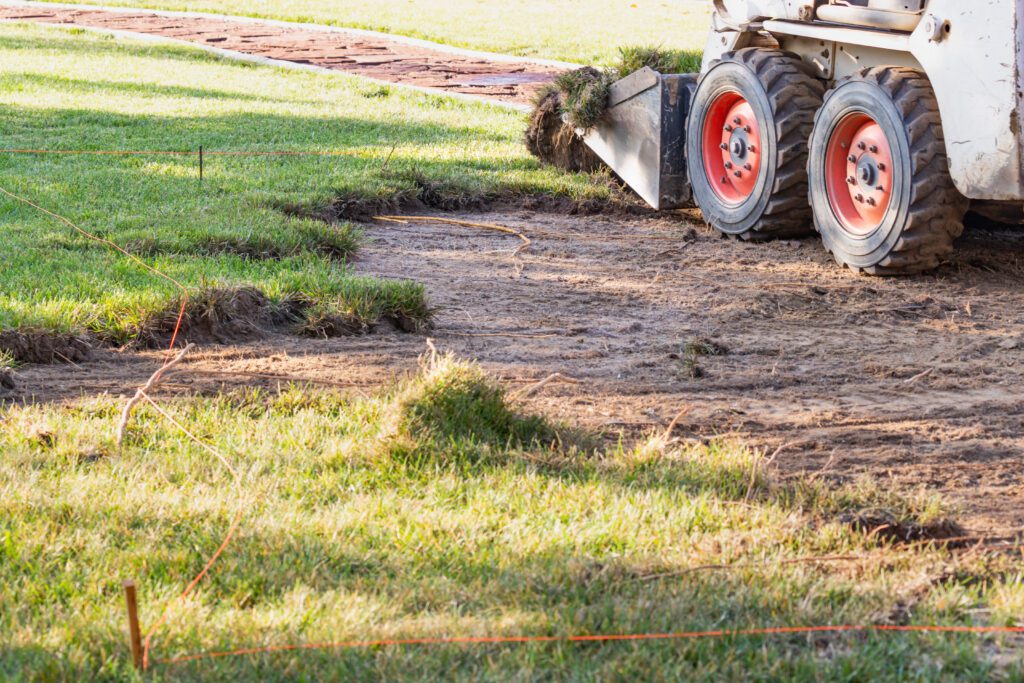
How to Grade a Yard Before Winter
The right approach depends on the size of the affected area, the severity of the drainage problem, and the condition of the soil. Before moving soil, establish whether changing the surface slope will actually solve the issue.
Step 1: Identify Where the Water Collects
Inspect the yard during or shortly after rainfall. Note where water first appears, which direction it flows, and how long it remains.
Pay particular attention to the foundation, downspout outlets, basement window wells, patios, and low sections of the lawn. If possible, take photographs after rain to document recurring patterns and help explain the problem during a professional assessment.
Step 2: Check the Existing Slope
Look for sections of ground that slope toward the house or depressions that interrupt the natural flow of runoff.
Check whether downspouts discharge close to the foundation or release water into an area that already drains poorly. The objective is to determine whether changing the surface slope can give water a more effective route away from the problem area.
Step 3: Determine Whether Grading Alone Will Work
If uneven ground or an unsuitable surface slope is responsible, regrading may be sufficient.
If water remains trapped because of poor soil permeability, high groundwater, or inadequate underground drainage, additional measures may be necessary.
Identifying these limitations before starting work can help prevent unnecessary excavation or repeated repairs.
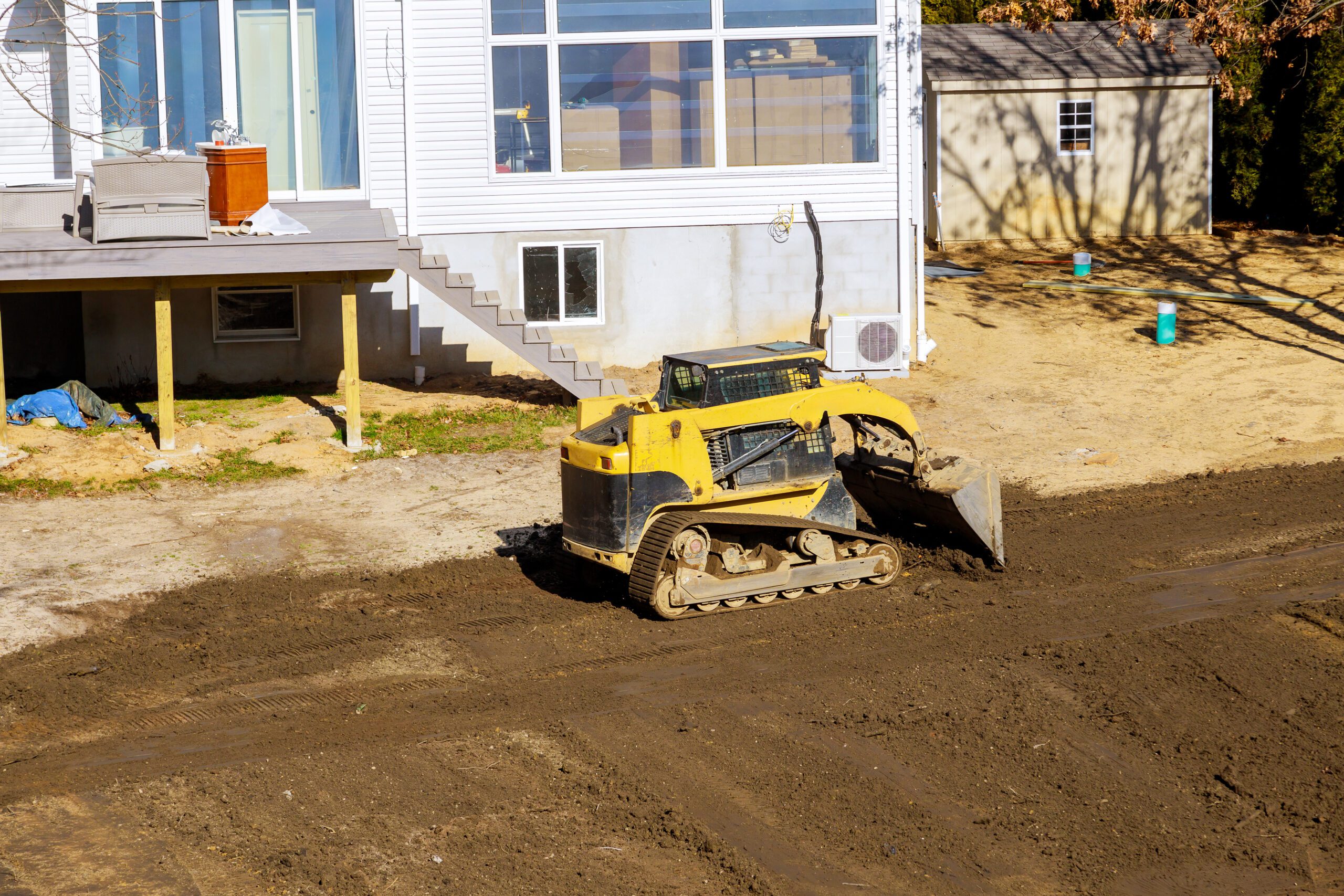
Step 4: Correct Low Spots and Establish a Suitable Slope
Where grading is appropriate, low spots can be filled with suitable soil and the surrounding ground reshaped to encourage runoff toward a safe drainage destination.
The finished surface should slope away from the foundation where site conditions allow, without creating excessively steep sections or directing water toward neighbouring properties.
When planning the work, how to grade a yard is an important consideration because the finished slope must improve drainage without creating new problems elsewhere on the property.
Step 5: Address Related Drainage Problems
Grading may need to be combined with other improvements if roof runoff, compacted soil, or an existing drainage system is contributing to the problem.
Depending on the site, this could involve redirecting downspouts, improving an existing drainage route, or installing a suitable drainage system.
The solution should address the source of the water and provide a safe place for it to go, rather than simply shifting the pooling to another part of the yard.
Step 6: Finish and Inspect the Area
Once grading is complete, check that the soil is stable and the intended drainage route remains clear. Where practical, observe the area after rainfall to see whether water moves away as expected.
Keep an eye on the finished grade over time. Soil can settle, and new depressions may develop, so follow-up checks can help identify problems before they become more extensive.
Is It Too Late to Grade Your Yard Before Winter?
Not necessarily. The best time to complete grading depends on local temperatures, soil conditions, the size of the project, and how much time remains before the ground freezes.
Minor corrections may be possible while the soil is workable. Larger projects involving excavation, extensive soil movement, or new drainage installations may require more preparation and favourable weather conditions.
Avoid undertaking grading when the ground is frozen, excessively wet, or too unstable to work properly. Working in unsuitable conditions can make it harder to establish a stable finish and may create additional compaction or drainage issues.
If winter is approaching and standing water is already a concern, arrange an assessment early. This gives you time to determine whether grading is appropriate or whether another drainage improvement should take priority.
Yard Grading vs. a French Drain: Which Is Better?
Yard grading and French drains address different drainage problems. The right option depends on how water reaches the affected area and why it fails to drain.
Yard grading changes the ground’s surface slope so runoff can move away from low spots and vulnerable areas. It is often appropriate when water collects because of uneven ground or an unsuitable surface grade.
A French drain is an underground drainage system designed to collect and redirect water through a gravel-filled trench and perforated pipe. It may be appropriate when surface grading alone cannot manage persistent water accumulation, provided the system has a suitable outlet and is correctly designed.
Some properties benefit from both approaches. Grading can guide surface runoff toward an appropriate collection point, while a drainage system manages water that cannot be resolved through surface changes alone.
The decision should be based on the property’s drainage conditions rather than choosing one method simply because it appears less complicated.
Common Yard Grading Mistakes to Avoid Before Winter
Even when grading is the right solution, mistakes can reduce its effectiveness or create new problems.
- Adding soil without correcting the slope: Filling a depression may temporarily hide the problem if the surrounding ground still directs water into it.
- Raising the ground too close to the house: Excessive soil against the building can reduce clearance around siding, vents, and other features.
- Ignoring downspout discharge: Roof runoff can overwhelm a newly graded area if it continues to release water into the same low spot.
- Redirecting water toward another problem area: Runoff needs a safe destination that does not create drainage issues elsewhere.
- Overlooking soil conditions: Compacted or clay-heavy soil may continue to hold water even after the surface slope is improved.
- Grading in unsuitable weather: Frozen or excessively wet soil can make it difficult to achieve a stable, functional finish.
Taking time to identify the cause of the problem and plan the drainage route can help avoid unnecessary work and improve the chances of a lasting result.
How Much Does Yard Grading Cost?
The cost of yard grading depends on the size of the affected area, the amount of soil that needs to be moved, site accessibility, existing landscaping, and whether additional drainage work is required.
Correcting a small depression is generally a different undertaking from reshaping a large yard or addressing water accumulation around an entire foundation. Projects involving excavation, drainage pipes, catch basins, or other installations may also require additional labour and materials.
Before hiring a contractor, ask what is causing the standing water, how the proposed grading will address it, where runoff will go, and whether any additional drainage work is recommended.
A clear assessment helps you understand the scope of the work and distinguish between a surface grading correction and a more comprehensive drainage project.
Get Your Yard Ready for Winter With Ware Landscaping
Standing water before winter should not be ignored, particularly when it collects near your foundation or repeatedly leaves sections of your lawn saturated. Yard grading can help when the surface slope is the problem, but the most effective solution starts with identifying the cause and determining where the water can drain safely.
Ware Landscaping helps homeowners in Chicago, Naperville, and surrounding Illinois communities address yard drainage and grading concerns. Whether your property needs a surface correction or a more comprehensive drainage solution, a proper assessment can help you determine the next step.
Homeowners dealing with pooling water, poor runoff, or moisture near the foundation can explore Ware Landscaping’s drainage services to find a suitable way to prepare their property for winter.