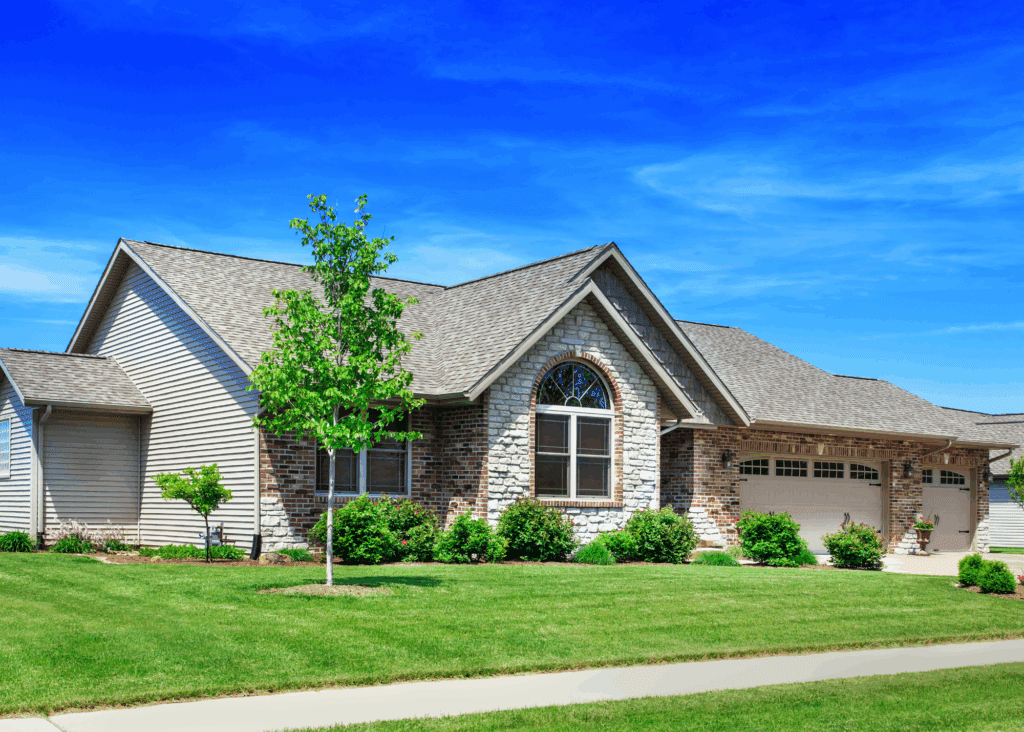

For many homeowners, the “perfect yard” is often defined by lush green grass or a beautiful stone patio. However, the most critical element of a functional landscape isn’t what sits on top of the soil, it’s how the soil itself is shaped.
Yard grading is the process of reshaping the land to ensure water flows away from your home’s foundation and toward designated drainage areas. In regions with heavy rainfall or significant snowmelt, learning how to grade a yard is your first line of defense against basement flooding, foundation cracks, and costly structural repairs.
In this guide, Ware Landscaping breaks down the technical specifications, the step-by-step DIY process, and the signs that it’s time to call in the professionals.
Why Is Learning How to Grade a Yard Essential?
Poor drainage is more than just a nuisance; it is a threat to your property’s value. Without a proper slope, water pools against your foundation, leading to a host of problems that can cost tens of thousands of dollars to fix.
- Foundation Damage: Persistent moisture causes concrete to crack, shift, or bow over time.
- Basement Flooding: Water finds the path of least resistance. If your yard slopes toward the house, that path leads straight into your living space.
- Soil Erosion: Uncontrolled runoff washes away expensive topsoil and can damage your existing landscaping.
- Pest and Health Issues: Standing water is a breeding ground for mosquitoes and can lead to mold and mildew growth inside your home.
The Golden Rule: The 1-Inch-Per-Foot Standard
In the landscaping industry, we follow a specific formula to ensure effective drainage. To comply with the International Residential Code (IRC), your yard should have a minimum slope of 1 inch of drop for every 1 foot of distance for at least the first 10 feet away from your foundation.
| Slope Goal | Measurement | Result |
| Minimum | 1″ drop per foot | Standard drainage for most soil types. |
| Recommended | 2-3″ drop per foot | Ideal for clay-heavy soils that absorb water slowly. |
| Foundation Clearance | 6-8″ visible | The amount of foundation that should be above the soil line to prevent rot. |
Step-by-Step: How to Grade a Yard
While large-scale regrading requires heavy machinery, minor drainage corrections can be handled with a strategic DIY approach.
1. Assessment and Utility Location
Before you move a single shovelful of dirt, you must call 811. Underground gas, water, and electric lines are often shallow. Once utilities are marked, walk your property during or after a heavy rain to identify “low spots” where water pools and “high spots” that are blocking natural runoff.
2. Measuring the Current Grade
Use wooden stakes, nylon string, and a line level (or a rented laser level for better accuracy).
- Place one stake at the house (the high point) and another 10 feet away.
- Tie a string between them and use the level to ensure the string is perfectly horizontal.
- Measure the distance from the string to the ground at both stakes. The difference is your “drop.”
3. Soil Redistribution and Compaction
For minor grading, you will need a mix of topsoil and “fill dirt” (often a silt-clay mix that packs well).
- Add Soil: Fill in the low spots identified during your assessment.
- Remove Soil: If the ground is too high near the foundation, you may need to dig out and redistribute that soil elsewhere.
- Compact: This is the most skipped step. You must use a tamper or a plate compactor to press the soil down. If you don’t compact it, the first rainstorm will cause the soil to settle, and your slope will disappear.
4. Finishing with Seed or Sod
Once the grade is set, protect the soil from erosion immediately. Spread grass seed and cover it with straw, or install sod to lock the new grade in place.
Tools You Will Need
If you are attempting a DIY grading project, ensure you have these essentials:
- Measuring Tools: Stakes, string, line level, and a long measuring tape.
- Hand Tools: Square-point shovel, landscape rake, and a heavy-duty wheelbarrow.
- Equipment: A hand tamper (for small areas) or a rented gas-powered plate compactor.
- Materials: Bulk topsoil delivery (buying by the bag is significantly more expensive for grading).
When to Hire a Professional
Grading is a precision task. A mistake in calculation can actually make your drainage problems worse by “trapping” water in a new area. You should consider hiring an expert like Ware Landscaping if:
- The Area is Large: If you are grading more than 1,000 square feet, the manual labor is prohibitive.
- The Slope is Steep: Steep hills require retaining walls or specialized “swales” to manage high-velocity runoff.
- Permits are Required: In many areas, changing the grade by more than 24 inches or disturbing more than 2,500 square feet requires a municipal permit.
Stop the Water Before It Reaches Your Foundation
A soggy yard is more than an eyesore, it’s a warning sign. Every day that water pools near your home is another day of potential damage to your most valuable asset. At Ware Landscaping, we don’t just move dirt; we engineer drainage solutions that protect your home and enhance your outdoor living space.
Why trust Ware Landscaping for your yard grading?
- Precision Engineering: We use professional-grade laser levels to ensure every inch of slope is calculated for maximum runoff.
- Full-Service Solutions: From initial excavation to final sod installation, we handle the entire process so you don’t have to lift a shovel.
- Foundation Focus: We prioritize the long-term health of your home, ensuring your basement stays dry and your foundation stays stable.
Don’t wait for the next heavy rain to find out your grade is failing.