

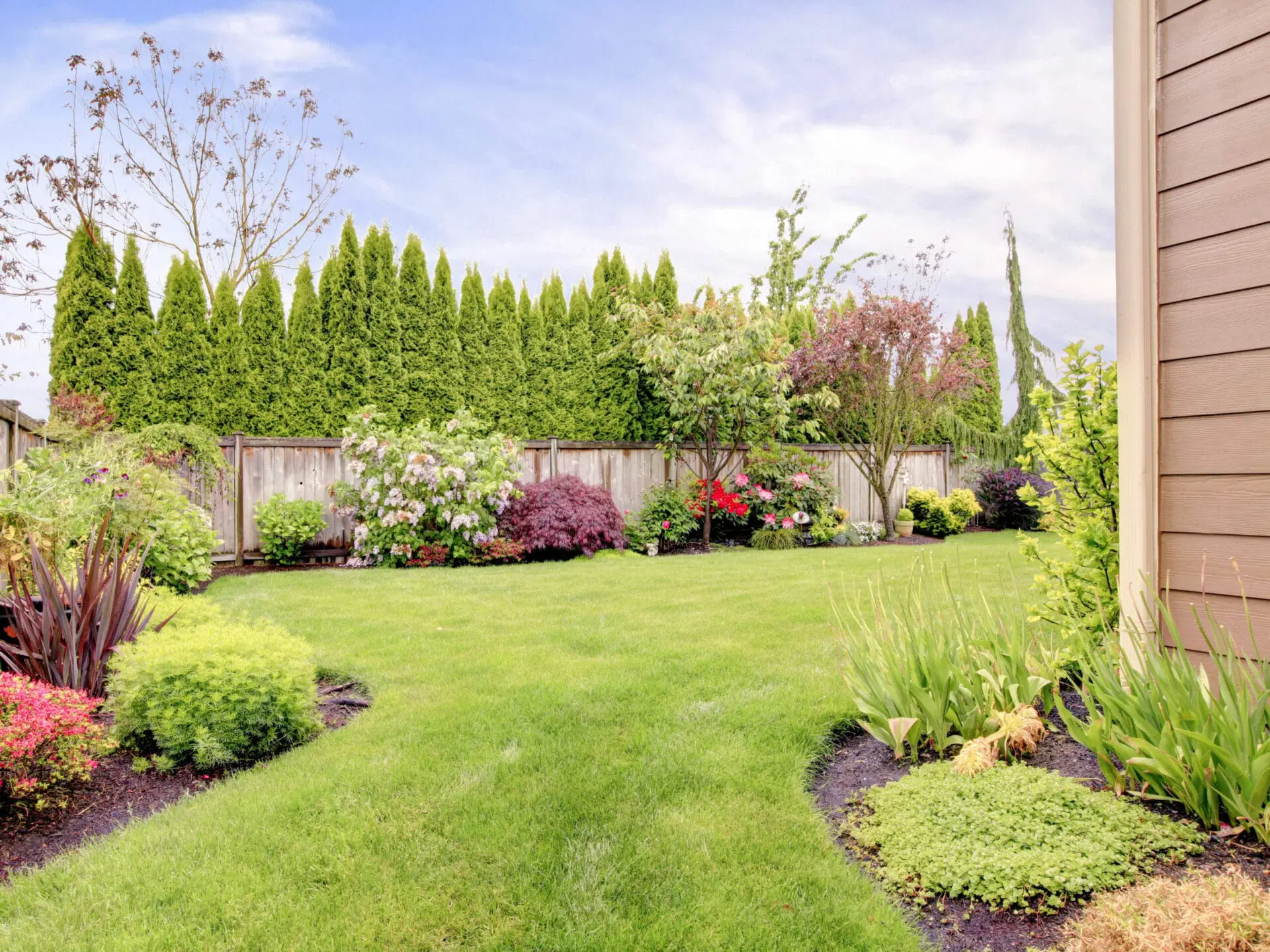
Moving day puts more than your furniture at risk. Lawns, garden beds, shrubs, walkways, and irrigation components can all be damaged when people and heavy loads repeatedly cross the same areas.
If you’re preparing to move into or out of a home, a little planning can protect the landscaping you’ve invested time and money in. The goal isn’t to make the yard completely off-limits. It’s to control where traffic goes and keep vulnerable areas out of the moving path.
Plan the moving route before the truck arrives
Start by identifying the shortest practical route between the moving truck and your home’s main loading entrance. Driveways, paved walkways, and hardscape surfaces should handle most of the traffic whenever possible.
Avoid treating the lawn as an overflow loading zone simply because it offers a more direct path. Repeated foot traffic is one concern, but hand trucks, loaded dollies, portable storage containers, and vehicle tires can place much greater pressure on the soil.
This matters because compacted soil contains fewer and smaller pore spaces for water and air. The University of Florida’s guidance on soil compaction in urban landscapes notes that equipment and repeated traffic can contribute to compaction, which can interfere with drainage and plant root growth.
If crossing turf can’t be avoided, designate one narrow route rather than allowing movers to take different shortcuts across the yard. Temporary ground-protection mats can also help distribute loads and reduce direct wear on grass.
Keep staging areas away from lawns and planting beds
A common moving-day mistake happens before anything reaches the truck. Boxes, furniture, packing materials, and appliances get temporarily placed wherever there’s open space, including lawns and landscaped areas.
Choose your staging locations beforehand. A garage, driveway, porch, or paved patio is generally easier to protect and inspect than a garden bed filled with delicate plants.
Coordination with the moving crew also makes a difference. If you’re arranging a moving and storage solution, explain which entrances, walkways, and loading areas should be used before moving begins. A clearly established route reduces the chance that a heavy dresser, appliance dolly, or stack of boxes gets taken through a part of the property you intended to protect.
Pay particular attention to narrow side yards. They may appear to offer convenient access, but shrubs, edging, irrigation heads, outdoor lighting, and air-conditioning equipment can leave less clearance than movers expect.
Mark landscape features that are easy to overlook
Some of the most vulnerable parts of a landscape aren’t obvious when someone is carrying a sofa or pushing a loaded hand truck.
Low landscape lights, sprinkler heads, decorative edging, young trees, downspout extensions, and small shrubs can disappear from view behind boxes or furniture. Marking these features with visible stakes or flags gives movers something they can recognize quickly.
For larger shrubs near walkways, gently tie flexible branches inward if doing so won’t damage the plant. This can provide a few extra inches of clearance and reduce the chance of branches being snapped by passing furniture.
Also inspect gates before moving day. Measure the opening rather than assuming large furniture will fit. Forcing oversized items through a landscaped side entrance can damage the gate, nearby plants, and the furniture itself. Using another entrance may require a slightly longer walk but create fewer problems.
Consider weather and soil conditions
The condition of your yard can change how much damage moving-day traffic causes. Wet soil deserves particular attention because it is more vulnerable to compaction under heavy loads.
After significant rain, keep trucks and other heavy vehicles on established pavement. Even when a lawn looks firm at the surface, tires can leave ruts that affect both appearance and drainage.
Mud also creates another problem. Once it reaches shoes, dollies, and furniture, it gets tracked onto patios and indoor flooring. Establishing a paved route and placing protective coverings near entrances can protect both the landscape and the interior of the home.
If severe rain is expected, consider whether some outdoor portions of the move can be delayed or reorganized. Protecting a mature lawn or planted bed is usually easier than repairing concentrated damage afterward.
Inspect the property once loading is finished
Before the moving truck leaves, walk the route you established earlier. Look for crushed plants, displaced edging, damaged sprinkler components, broken branches, and turf that has been heavily compressed.
Minor issues are easier to address when you catch them quickly. A shifted landscape border can be reset. A bent irrigation head can be identified before the system runs again. Small areas of flattened grass may also recover without intervention if further traffic is kept away.
If you’re moving into the property rather than leaving it, the same inspection gives you a useful starting point for future landscaping work. You’ll know which areas experienced heavy traffic and which plants or features may need attention after you’ve settled in.
Make the yard part of your moving plan
Protecting landscaping during a move doesn’t require complicated preparation. It mainly requires deciding where people, equipment, and belongings should travel before the property becomes busy.
Use paved surfaces whenever possible, establish one clear loading route, protect vulnerable features, and account for wet ground. Those simple decisions can prevent moving day from creating a second project in the yard once the boxes are gone.