
For homeowners in Naperville, protecting the foundation of your house is a year-round battle. Between the heavy spring thunderstorms that roll through DuPage County and the significant snowmelt we see in the late winter, your roof can shed thousands of gallons of water. If that water isn’t moved away from your home correctly, it can lead to basement seepage, foundation cracks, and a swampy backyard.
An underground gutter drainage system (also known as buried downspout extensions) is the most effective way to manage this stormwater. By moving roof runoff through a network of buried pipes, you can ensure your property remains dry, safe, and beautiful.
What is Underground Gutter Drainage?
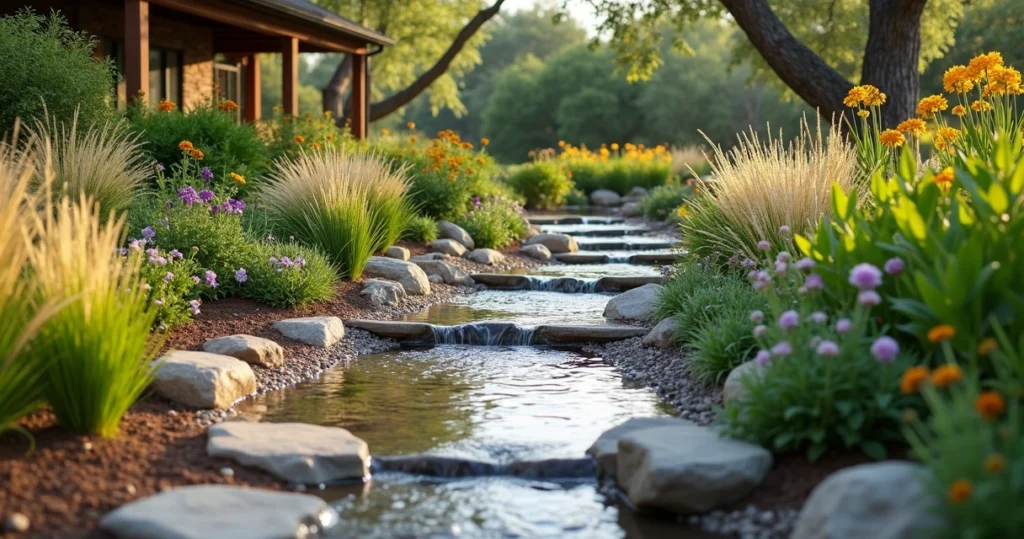
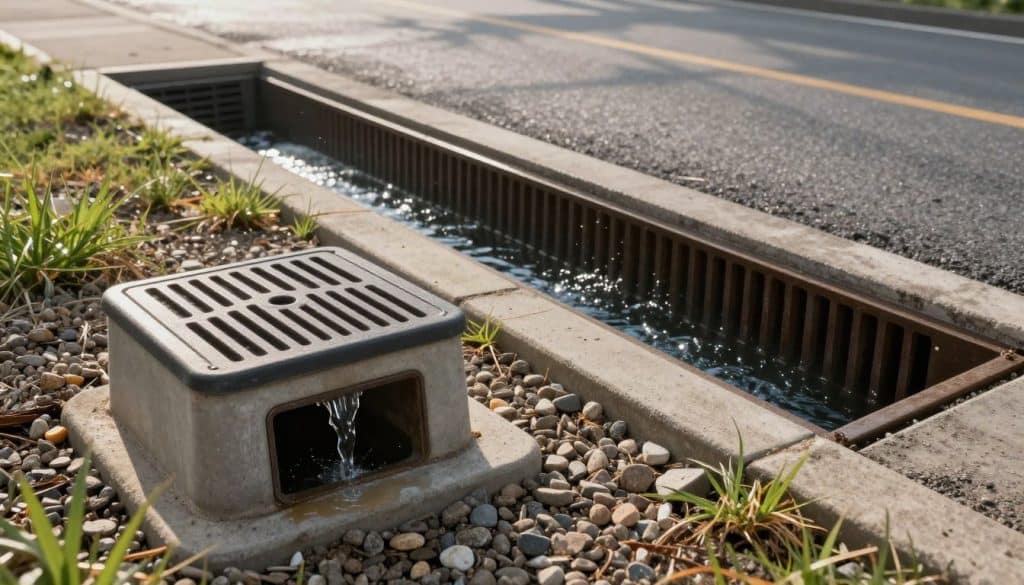
Underground gutter drainage is a system where your downspouts are connected to buried pipes rather than simply spilling onto the ground via plastic extensions. These pipes carry the water 8 to 15 feet (or more) away from your home’s foundation, discharging it safely at a “pop-up emitter,” a bubbler pot, or into a designated swale or storm inlet.
How the System Functions:
- The Transition: A specialized adapter connects your vertical downspout to a horizontal buried pipe.
- Debris Filtration: A small catch basin or “leaf filter” is often installed at the transition point to prevent shingles, grit, and leaves from entering the underground line.
- The Run: Pipes are buried in a trench, typically 12 to 24 inches deep, depending on the landscape and local frost lines.
- The Discharge: The water exits through a pop-up emitter that stays closed to keep out debris and pests but “pops up” under water pressure to release the runoff.
Why Naperville Homes Need Underground Drainage
Naperville presents a specific set of challenges for residential drainage that makes underground systems more than just an “aesthetic choice”—they are a structural necessity.
1. The “Naperville Clay” Challenge
Most of Naperville and the surrounding DuPage County sit on heavy, clay-rich soils. Unlike sandy soil, clay does not absorb water quickly. When your gutters dump water right at the base of your home, the clay creates a “bowl effect,” trapping water against your foundation walls. Over time, this hydrostatic pressure causes cracks and basement leaks. An underground gutter drainage system bypasses this “bowl” and moves water to areas where the soil can better handle it or where it can enter the city’s storm system.
2. Curb Appeal and Safety
Traditional “above-ground” extensions are often eyesores. They can be tripped over, they get crushed by lawnmowers, and they often need to be moved every time you cut the grass. Underground systems are invisible, providing a clean, professional look to your landscaping while eliminating tripping hazards in your yard.
3. Preventing Sump Pump Overload
Many Naperville homes rely heavily on sump pumps. If your gutter water is pooling near the foundation, it often seeps right back down into your drain tile, forcing your sump pump to work twice as hard. This leads to premature pump failure and a higher risk of flooding during a power outage.
Local Regulations and Permits in Naperville, IL
When installing an underground gutter drainage system in Naperville, you must adhere to the City’s Municipal Code and the DuPage County Stormwater & Floodplain Ordinance.
1. Do You Need a Permit?
Yes. The City of Naperville generally requires a plumbing or building permit for the installation of any new underground drain pipes. This is because the city wants to ensure that you aren’t accidentally directing your water onto a neighbor’s property or into an illegal connection.
- Pro Tip: You can apply for these permits through the City’s Civic Access Portal. If you are working with Ware Landscaping, we can assist with the technical details required for your application.
2. Discharge Rules
- Distance: Naperville guidelines suggest that discharge points should be at least 10 feet away from the foundation.
- Property Lines: You cannot discharge water in a way that creates a nuisance for your neighbors. It is best practice to discharge into a “swale” (a low, sloped area of the yard) or toward a public storm inlet.
- No Sanitary Connection: It is strictly illegal in Naperville to connect your roof gutters or sump pump to the sanitary sewer system. This can lead to massive fines and city-wide environmental issues.
Cost Analysis: What to Expect
The cost of installing an underground gutter drainage system in the Naperville area varies based on the number of downspouts, the length of the run, and the soil conditions.
| Item | Estimated Cost (National Avg) | Naperville Area Professional Rate |
| Per Downspout Extension | $150 – $350 | $200 – $400 |
| Typical Full System (4-6 Downspouts) | $2,000 – $6,000 | $2,500 – $6,500 |
| Permit Fees | $100 – $500 | $150 – $300 (Local Avg) |
Note: The high clay content in Naperville soil often requires more labor-intensive trenching, which can place local costs on the higher end of the national average.
Materials: Choosing the Right Pipe for Illinois Weather
Not all pipes are created equal. For a long-lasting underground gutter drainage system, material choice is everything.
- Smooth-Wall PVC (Schedule 40 or SDR-35): This is our top recommendation for Naperville. The smooth interior prevents debris from snagging, and the rigid walls can withstand the pressure of our heavy clay soil and seasonal freezing/thawing cycles.
- Corrugated Pipe: While cheaper, corrugated pipe is prone to clogs and is easily crushed by vehicles or heavy landscaping equipment. At Ware Landscaping, we prioritize smooth PVC to ensure your system doesn’t become a maintenance nightmare in five years.
The Installation Process: How Ware Landscaping Does It
When we install an underground gutter drainage system for a Naperville client, we follow a rigorous process to ensure local compliance and structural integrity:
- Utility Locating: Before we dig, we call J.U.L.I.E. (811) to mark all underground gas, electric, and water lines.
- Trenching and Grading: We excavate a trench with a minimum 1/4-inch slope per foot. This ensures that gravity does the work, even during light rains.
- Bedding the Pipe: We use gravel bedding where necessary to prevent the pipe from shifting in the clay soil.
- Connecting the Emitter: We install high-quality pop-up emitters at the discharge point, often surrounding them with decorative stone to prevent erosion and grass overgrowth.
- Restoration: We carefully replace the sod or landscaping so that, within a few weeks, you won’t even know we were there—except for your dry basement!
Frequently Asked Questions (Naperville Edition)
Q: Will the underground pipes freeze in a Naperville winter?
A: If installed correctly with the proper slope, the pipes will be empty between rain/snow events. Since there is no standing water in the pipe, there is nothing to freeze and cause a burst.
Q: Can I connect my sump pump to the same underground line?
A: While possible, it’s often better to keep them separate or use a larger diameter pipe to handle the combined volume. Sump pumps can discharge a massive amount of water very quickly, and you don’t want that water backing up into your gutters.
Q: How do I maintain my underground drains?
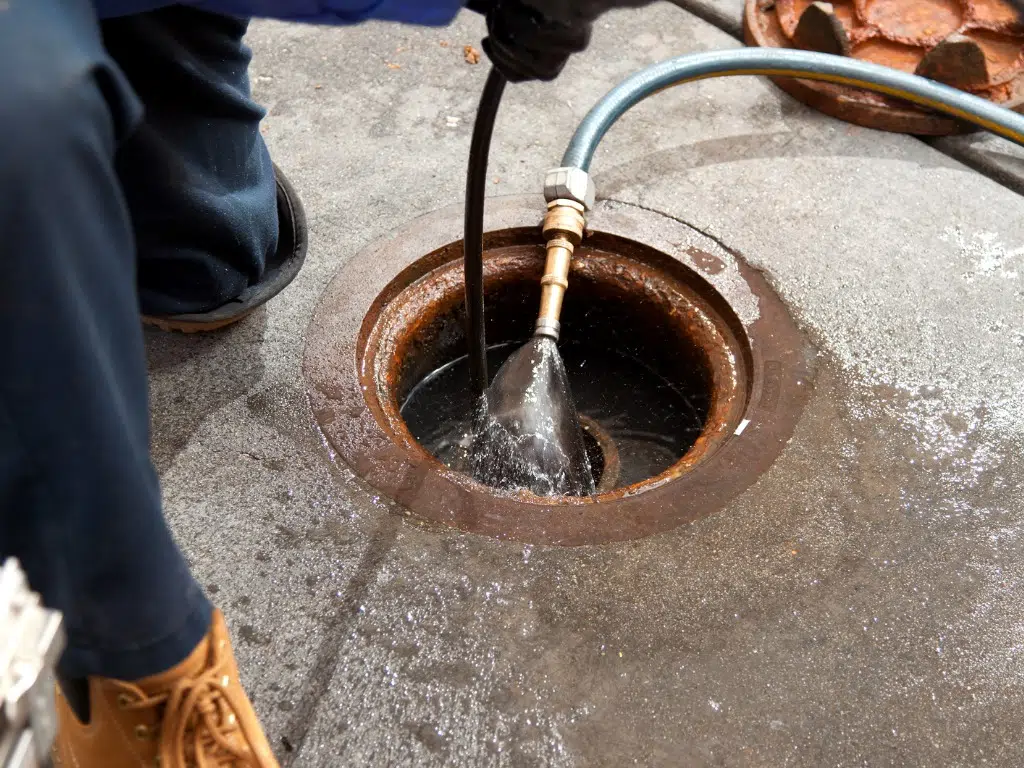
A: We recommend a bi-annual “flush.” Simply put a garden hose into the top of the downspout and ensure water is flowing freely out of the emitter. Keeping your gutters clean of leaves is the best way to maintain the underground portion of the system.
Why Choose Ware Landscaping?
Managing water in Naperville requires local expertise. We understand the DuPage County ordinances, the behavior of our local soil, and the intensity of Midwest storms. Our underground gutter drainage systems are designed to be “set it and forget it” solutions that protect your biggest investment—your home.
Stop worrying about your foundation. Contact Ware Landscaping today for a professional underground gutter drainage consultation in Naperville!
Serving Naperville (60540, 60563, 60564, 60565) and the surrounding suburbs with expert drainage and landscape design.