
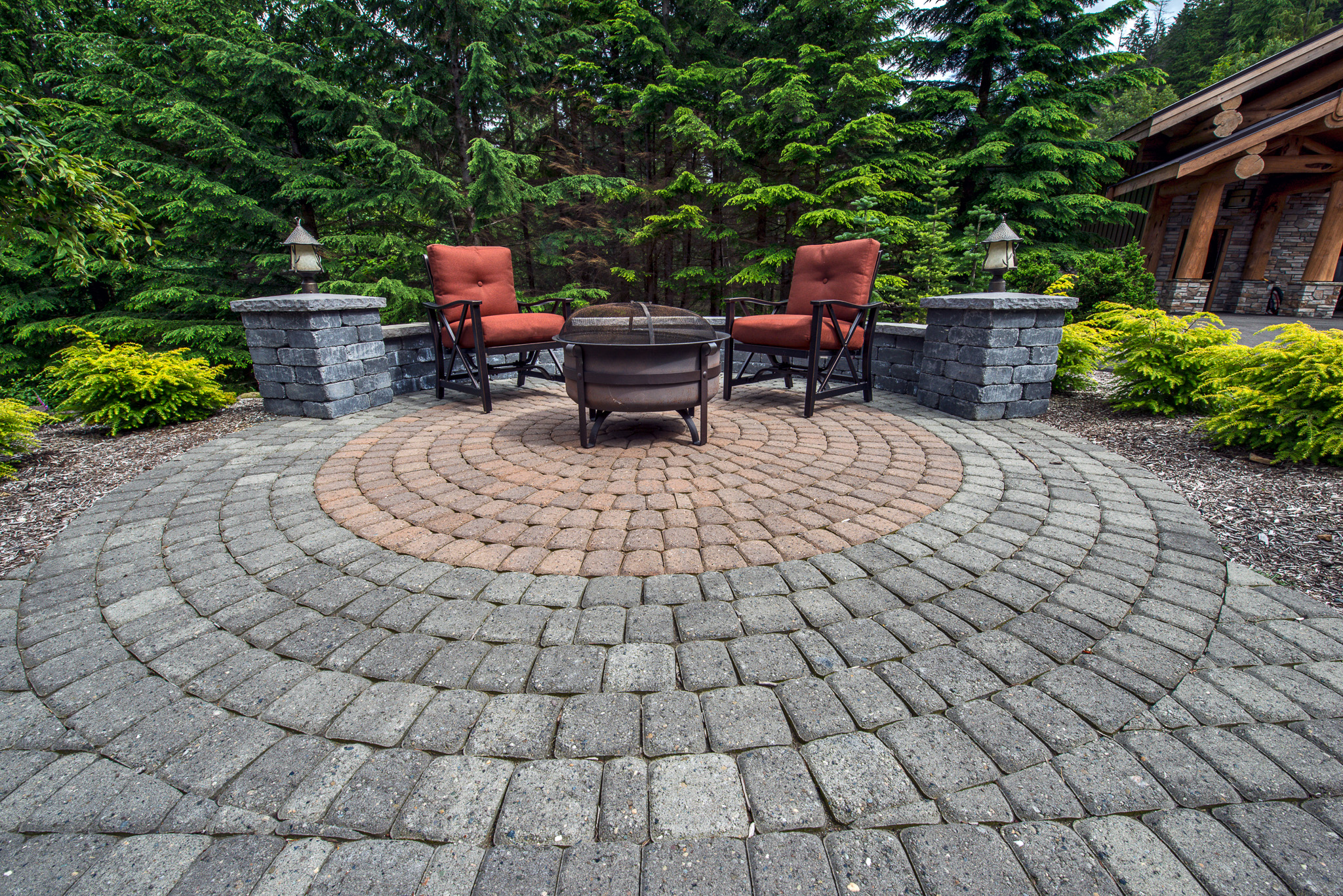
Pavers are a popular choice for driveways, patios, and walkways because of their durability and visual appeal. However, like any outdoor surface, they require proper maintenance to stay in top condition. One of the most important aspects of maintaining pavers is sealing them regularly.
Many homeowners ask the same question: how often should you seal your pavers? The answer depends on several factors, including climate, usage, and the type of sealer applied. Understanding these variables can help you protect your investment and keep your outdoor spaces looking their best.
Why Paver Sealing Matters
Sealing your pavers is not just about enhancing their appearance—it plays a crucial role in protecting them from damage. A high-quality sealer acts as a barrier against moisture, stains, UV rays, and wear from foot or vehicle traffic.
Without proper sealing, pavers can begin to fade, shift, or develop weeds and moss between the joints. Over time, this can lead to costly repairs or even replacement. Regular sealing helps extend the lifespan of your pavers while maintaining their color and structural integrity.
General Recommendation: Every 2–3 Years
In most cases, homeowners should plan to seal their pavers every 2 to 3 years. This timeframe provides a good balance between protection and cost-effectiveness.
However, this is only a general guideline. Some pavers may require more frequent sealing depending on environmental exposure and usage. For example, driveways that experience heavy vehicle traffic may need sealing sooner than a lightly used patio.
Factors That Affect Sealing Frequency
Climate and Weather Conditions
Homes in regions with harsh weather—such as heavy rainfall, snow, or intense sunlight—may require more frequent sealing. Moisture can penetrate unsealed pavers, while UV rays can cause fading and deterioration.
Traffic and Usage
High-traffic areas, like driveways and main walkways, experience more wear and tear. These areas may need to be resealed more often compared to less frequently used spaces.
Type of Sealer Used
There are different types of paver sealers, including water-based and solvent-based options. Some sealers last longer than others, which can impact how often resealing is necessary.
Quality of Installation
Proper installation plays a key role in how well pavers hold up over time. Well-installed pavers with good drainage are less likely to suffer from issues that require frequent resealing.
Signs Your Pavers Need Resealing
Even if you are following a general schedule, it is important to watch for signs that your pavers need attention. These include:
- Fading color or dull appearance
- Increased weed or moss growth between joints
- Water soaking into the surface instead of beading
- Visible stains that are difficult to remove
If you notice any of these issues, it may be time to reseal your pavers sooner than expected.
Professional vs DIY Sealing
While some homeowners attempt to seal their pavers themselves, professional services often provide better and longer-lasting results. Proper cleaning, preparation, and application are essential for effective sealing.
Working with experienced paver sealing experts ensures that the job is done correctly, using the right materials and techniques for your specific surface. This can save time, reduce the risk of mistakes, and deliver a more polished finish.
Tips for Maintaining Sealed Pavers
To get the most out of your sealing investment, regular maintenance is key. Simple steps like sweeping debris, washing the surface occasionally, and addressing stains quickly can help extend the life of the sealer.
Additionally, avoid using harsh chemicals or pressure washing at excessive levels, as these can damage both the pavers and the sealant.
Final Thoughts
Sealing your pavers is a simple yet powerful way to protect your outdoor spaces and maintain their visual appeal. While most homeowners should reseal every 2 to 3 years, factors like climate, traffic, and sealer type can influence the exact timing.
By staying proactive and paying attention to the condition of your pavers, you can ensure they remain durable, attractive, and functional for years to come. Investing in proper maintenance today can help you avoid costly repairs and keep your property looking its best.