

Water damage is one of the most destructive forces a property can face, and standard homeowners or renters insurance almost never covers flood damage. If you are asking yourself, “Do I need flood insurance?”, the short answer for most U.S. homeowners is yes.
Over the past two decades, 99% of U.S. counties have experienced a flood event. Whether from sudden severe weather, rapid snowmelt, or overwhelmed municipal drainage, floods can happen anywhere. Protecting your property requires a two-pronged approach: securing the right financial coverage and implementing exterior landscaping defenses to keep water away from your foundation.
This guide explores how to assess your flood risk, what insurance covers, and how proactive property management can reduce your chances of filing a claim.
Why Flood Insurance Matters
There is a common misconception that only homes near oceans or major rivers need flood insurance. The reality is that there is no true “no-risk” zone.
- High-Risk Zones: Homes in Special Flood Hazard Areas (SFHAs) have at least a 1-in-4 chance of flooding during a standard 30-year mortgage.
- Moderate-to-Low-Risk Zones: Nearly 30% of all National Flood Insurance Program (NFIP) claims come from areas outside of mapped high-risk flood zones.
- The Financial Toll: The NFIP currently protects about 4.7 million policyholders, providing nearly $1.3 trillion in coverage nationwide. Without this protection, homeowners are left paying entirely out-of-pocket for devastating losses.
Mandatory vs. Recommended Coverage
Depending on where you live and how you finance your home, flood insurance may be a legal requirement or a highly recommended safeguard.
- Mandatory Coverage: If your property is located in an SFHA (FEMA zones starting with A or V) and you have a federally regulated or insured mortgage (such as an FHA, VA, USDA, or loans backed by Fannie Mae/Freddie Mac), your lender will require you to carry flood insurance.
- Highly Recommended: Even if your lender does not require it (such as homes in B, C, or X zones), FEMA and FloodSmart explicitly advise purchasing a policy. Standard policies exclude flood damage, and localized drainage failures can flood a property regardless of its official FEMA zone.
What Does Flood Insurance Cover and Cost?
Today, NFIP premiums are calculated using Risk Rating 2.0, a system that bases costs on individual property risk rather than just generalized flood zones. Factors include flood frequency, first-floor elevation, foundation type, and distance to water sources.
Here is a breakdown of standard NFIP coverage limits and average costs for residential properties:
| Coverage Type / Detail | Limits & Average Costs |
| Building / Structure Coverage | Up to $250,000 |
| Contents / Personal Property | Up to $100,000 (Purchased separately) |
| National Average Annual Premium | $976 – $1,122 |
| Low-to-Moderate Risk Premium Range | Typically under $1,000 – $1,100 |
Note: Basements have strictly limited coverage. The NFIP may cover major mechanical systems (furnaces, water heaters, sump pumps) but often excludes finished basement improvements and personal property stored below ground level.
How to Check Your Risk and Buy a Policy
Taking action to protect your home financially is straightforward. Follow these steps to secure coverage:
- Check Your Flood Map: Visit the FEMA Flood Map Service Center and enter your address to view your official flood zone.
- Get a Quote: Use the official NFIP Quote Tool at FloodSmart.gov to get an estimate based on your building details.
- Contact Your Agent: Most homeowners buy flood insurance through the same agent who handles their auto or home insurance. Many private insurers participate in the Write-Your-Own (WYO) program.
- Beware the Waiting Period: Do not wait for a storm warning to buy a policy. NFIP policies typically have a strict 30-day waiting period before coverage takes effect.
Preventative Landscaping: Your First Line of Defense
While flood insurance protects your wallet after a disaster, proper exterior property management helps prevent the water from entering your home in the first place. Insurance claims can be mitigated by ensuring your property’s landscape and hardscape actively direct water away from your foundation.
Proactive exterior water management includes:
- Professional Grading: Ensuring soil slopes away from your home at a rate of 6 to 8 inches over the first 10 feet.
- Strategic Hardscaping: Pitching driveways, patios, and walkways properly so runoff doesn’t pool against basement windows or doors.
- Seasonal Maintenance: Conducting comprehensive spring and fall cleanups to remove debris that can clog gutters, downspouts, and surface drains.
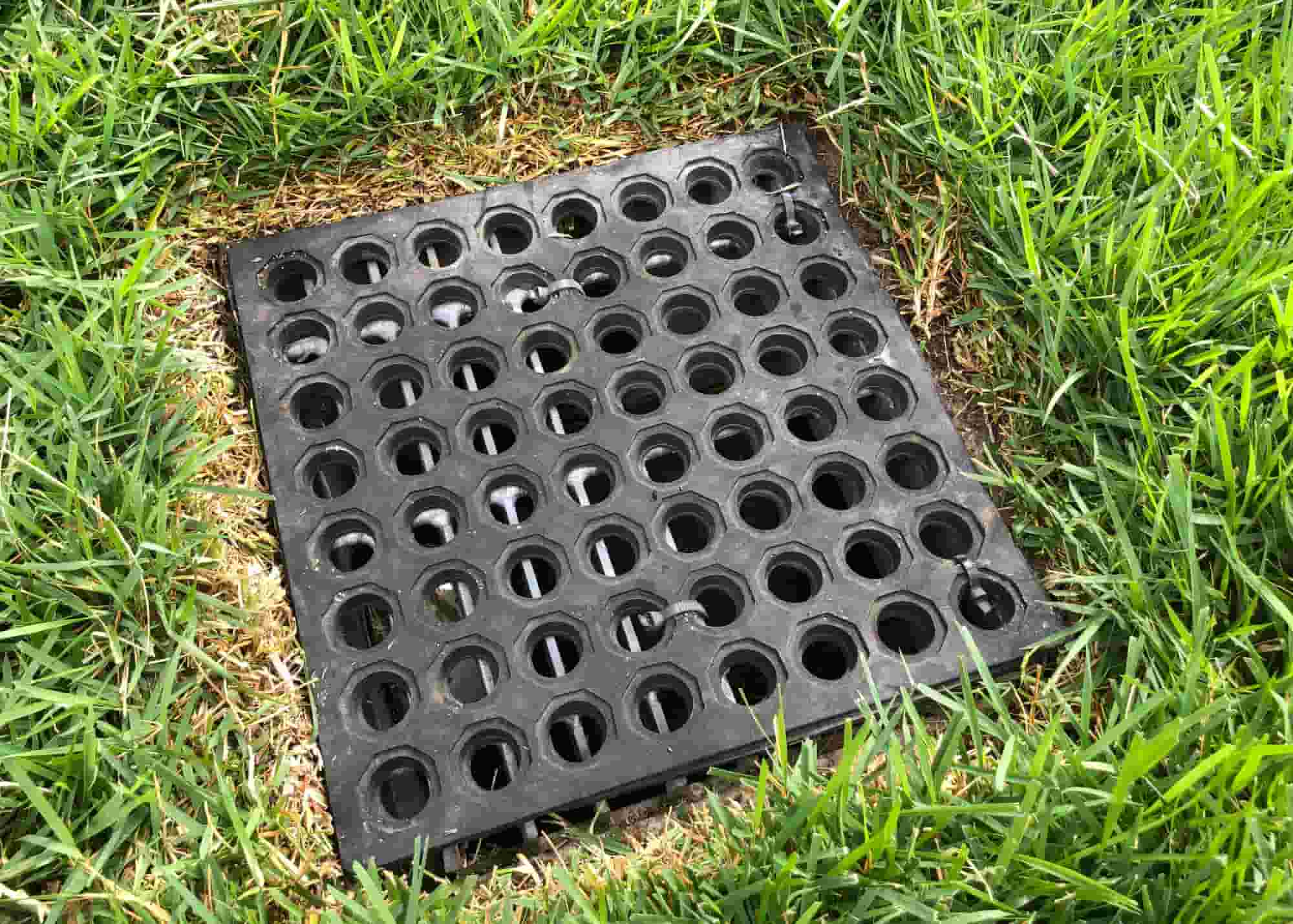
- Exterior Drainage: Installing custom solutions like swales, French drains, and catch basins to manage heavy rainfall.
Protect Your Property Inside and Out
Answering the question, “Do I need flood insurance?” is only the first step in protecting your property. Combining a robust insurance policy with smart, preventative landscaping offers the ultimate peace of mind against severe weather and rising waters.
Check Our Recent Works on Backyard Flood Issue
Don’t wait for the next heavy rainstorm to test your property’s drainage. Contact Ware Landscaping today for expert property grading, hardscape installation, seasonal maintenance, and custom drainage solutions designed to keep your property safe and dry.