
First impressions matter. For commercial properties, whether an office park, retail center, homeowners association (HOA), or industrial site, the exterior of your facility is the first thing clients, tenants, and employees see. Effective commercial landscaping maintenance goes far beyond basic mowing; it is a strategic investment in your property’s value, safety, and overall brand image.
Industry experts know that managing a commercial property is demanding. To help property managers and business owners make informed decisions, we have compiled this comprehensive guide covering the latest industry data, average costs, seasonal checklists, and essential best practices for 2026 and beyond.
The State of the Commercial Landscaping Industry
The landscaping industry is a massive and growing sector in the United States. Recent landscape industry statistics indicate that the U.S. landscaping services market size is valued between $176.7 and $188.8 billion as of 2025 to 2026. Employing over 1.4 million people across roughly 700,000 businesses, the industry is projected to see continued steady growth into the 2030s.
The commercial segment is particularly strong. Unlike residential projects, commercial clients require ongoing, stable contracts to manage larger properties. Businesses are increasingly recognizing that well-maintained green spaces are not just aesthetic luxuries, but operational necessities.
What Does Commercial Landscaping Maintenance Actually Include?
Maintenance differs from initial landscape design and installation. It is the ongoing, systematic upkeep required to preserve the health, appearance, and safety of your outdoor spaces. A standard commercial maintenance program typically includes:
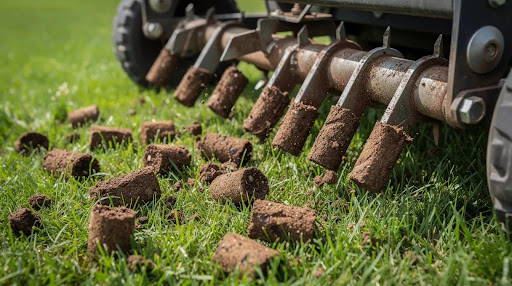
- Turf and Lawn Care: Regular mowing, edging, aeration, fertilization, overseeding, dethatching, and weed/disease management.
- Plant and Tree Care: Routine pruning and trimming of trees, shrubs, and perennials. This also includes mulching, weeding, staking, and the removal of dead or hazardous plants.
- Irrigation Management: System startups in the spring, winterization in the fall, routine leak checks, and the integration of water-efficient smart controllers.
- Seasonal Cleanups: Spring and fall bed cleanups, leaf removal, and debris blowing.
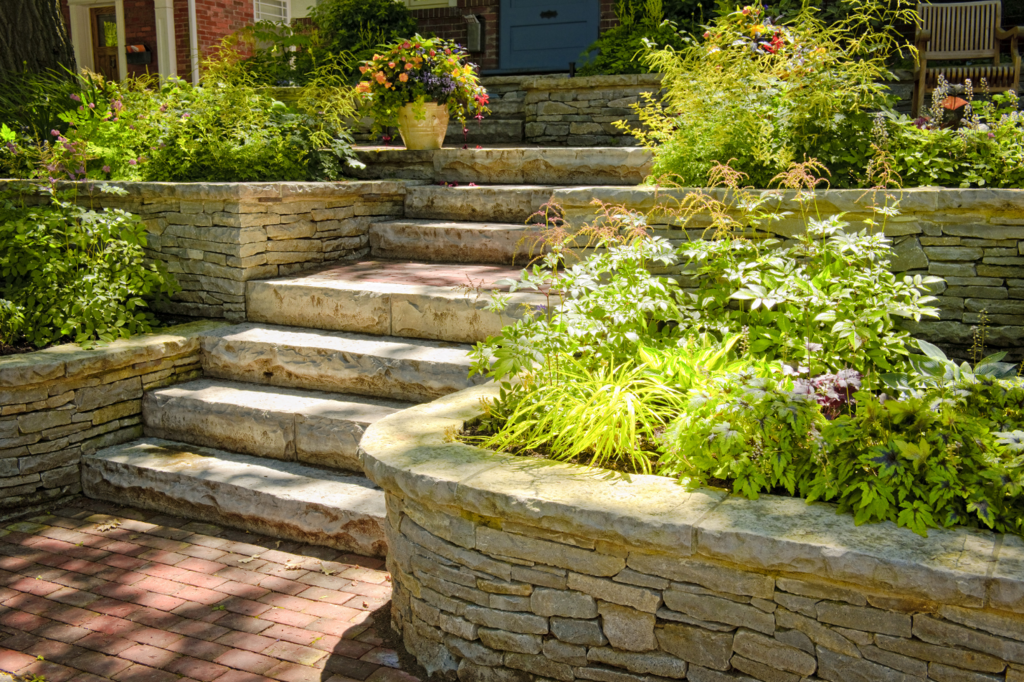
- Hardscape Upkeep: Power washing pavements, clearing pathways, and minor repairs to retaining walls.
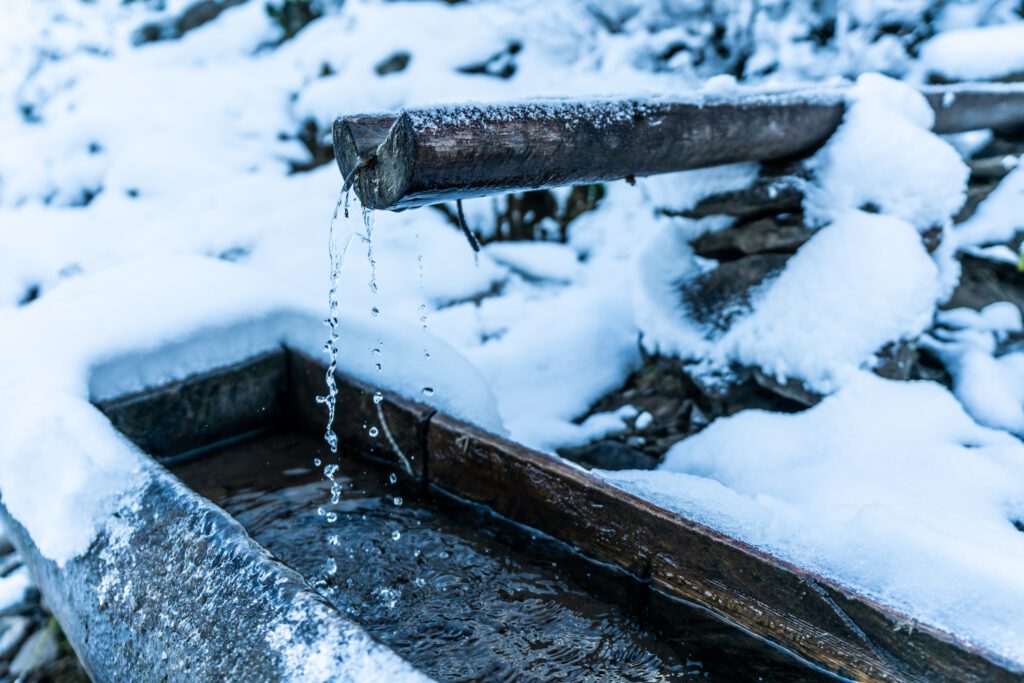
- Winter Services: Snow and ice management to keep sidewalks, driveways, and parking lots safe and accessible.
The ROI of Green Spaces: Why It Matters
Understanding the importance of routine landscape maintenance is crucial for any property manager looking to maximize their budget. The benefits extend far beyond curb appeal:
- Increased Property Value: A well-maintained commercial landscape can boost property values by up to 14%, attracting higher-paying tenants and supporting better occupancy rates.
- Safety and Liability Reduction: Clearing debris, trimming overgrown branches, and managing snow and ice reduces trip hazards, improves sightlines, and minimizes liability claims.
- Employee and Tenant Satisfaction: Access to clean, natural green spaces is linked to lower stress levels, higher morale, and improved productivity for employees.
- Long-Term Cost Savings: Preventative care keeps your landscape healthy. Removing a dead commercial tree can cost anywhere from $500 to $2,700. Routine care prevents these expensive emergency removals and limits pest outbreaks.
- Business Revenue: For retail and hospitality sectors, an inviting exterior encourages longer stays and higher spending. Studies suggest shoppers may spend up to 10% more in retail districts with high-quality greenery.
Understanding Commercial Landscaping Costs
Pricing can be highly variable. When reviewing standard commercial lawn care cost estimates, it is important to remember that labor is a major driver, often accounting for roughly 46 cents of every dollar spent.
Average Cost Estimates:
- Full-Service Maintenance: Typically ranges from $800 to $1,600 per acre, billed monthly.
- Annual HOA/Campus Contracts: Generally run between $2,500 and $6,000 per acre per year, depending on the complexity of the corporate campus or neighborhood.
- Mowing Only: Usually costs $25 to $60 or more per acre for large properties (5 or more acres) and $50 to $150 per acre for smaller, intricate lots. Hourly rates for crews generally sit between $40 and $80 per worker.
- Tree Care: Pruning large, mature trees can cost up to $2,000 per tree, with removals costing more depending on access and size.
There are several key factors that impact your commercial landscape maintenance costs, including property size, layout complexity, service frequency, and regional climate.
Cost-Reduction Tip: To lower long-term costs, opt for native, slow-growing plants over high-maintenance annuals. Native plants can save $2,000 to $4,000 per acre on initial installation compared to traditional turf, and they require significantly less water and fertilizer. Additionally, upgrading to smart irrigation systems can reduce water consumption by up to 60%.
A Seasonal Maintenance Calendar
A proactive, year-round approach is the best way to protect your landscape investment. While specific needs vary by region, a standard temperate climate schedule looks like this:
- Spring: Focus on recovery and preparation. Remove winter debris, inspect for snowplow or frost damage, aerate, overseed, and apply pre-emergent herbicides. Start up and test irrigation systems.
- Summer: The focus shifts to routine maintenance. This includes frequent mowing, edging, weed control, and diligent irrigation monitoring to prevent drought stress or disease.
- Fall: Prepare for dormancy. Prioritize leaf removal (mulching leaves into the turf is highly recommended for nutrient return), late-season fertilization, final mowing, and cutting back perennials.
- Winter: In colder regions, snow and ice removal take center stage. Protect sensitive plants from frost, maintain equipment, and use this downtime to plan spring enhancements.
Best Practices for Long-Term Success
For a comprehensive guide to commercial landscape maintenance, property managers should ensure their contractors follow these often-overlooked best practices:
- Proper Mulching: Avoid “mulch volcanoes” where mulch is piled high against tree trunks. This causes trapped moisture, rot, and disease. Mulch should form a flat donut shape around the base.
- Strategic Pruning: Shrubs should be pruned into a trapezoid shape (wider at the base than the top) to allow sunlight to reach the lower branches. Tree canopies should be raised to ensure safety and visibility near parking lots and sidewalks.
- Smart Mowing Patterns: Mowing patterns should be alternated weekly to prevent tire ruts and soil compaction.
- Responsible Debris Management: Never blow grass clippings or leaves into streets or storm drains, which is both a pollution hazard and a liability.
- Sustainability Integration: Implement Integrated Pest Management (IPM) to reduce heavy chemical use, and lean into climate-adaptive designs like permeable hardscapes and xeriscaping.
When to Hire the Professionals
If your commercial property is suffering from a patchy appearance, rampant weeds, inconsistent servicing, or tenant complaints, it is time to bring in the experts. Professional commercial landscapers bring specialized equipment, liability insurance, and the horticultural knowledge required to keep large properties thriving.
When evaluating proposals, look for commercial specialization, transparent pricing, and customized plans rather than cookie-cutter approaches. Be wary of exceptionally low bids, as they often signal an incomplete scope of work or a lack of proper insurance.
Partner With Professional Landscapers
Managing a commercial property is a full-time job; you should not have to worry about the health of your lawn or the safety of your icy sidewalks. A professional landscaping provider can offer comprehensive residential and commercial landscaping, seasonal maintenance, hardscape installations, and reliable snow removal services. The right partner will match the appropriate equipment and expertise to your property’s specific needs.
Ready to elevate your property’s curb appeal and reduce your long-term maintenance costs? Contact a local, highly-rated landscaping provider today to schedule a property assessment and get a customized maintenance plan tailored directly to your business.