
Yes, a French drain can usually be installed without permanently destroying your lawn. However, some temporary disruption is unavoidable because the installation requires excavating a trench through the affected area.
The good news is that an experienced drainage contractor can limit the disturbance, protect areas outside the work zone, and restore the excavated section with sod or grass seed. Once the new grass becomes established, the drainage route may be barely noticeable. More importantly, the lawn should become drier, healthier, and easier to use after the underlying water problem has been corrected.
Here is what homeowners should expect before, during, and after French drain installation.
Why Does French Drain Installation Disturb the Lawn?
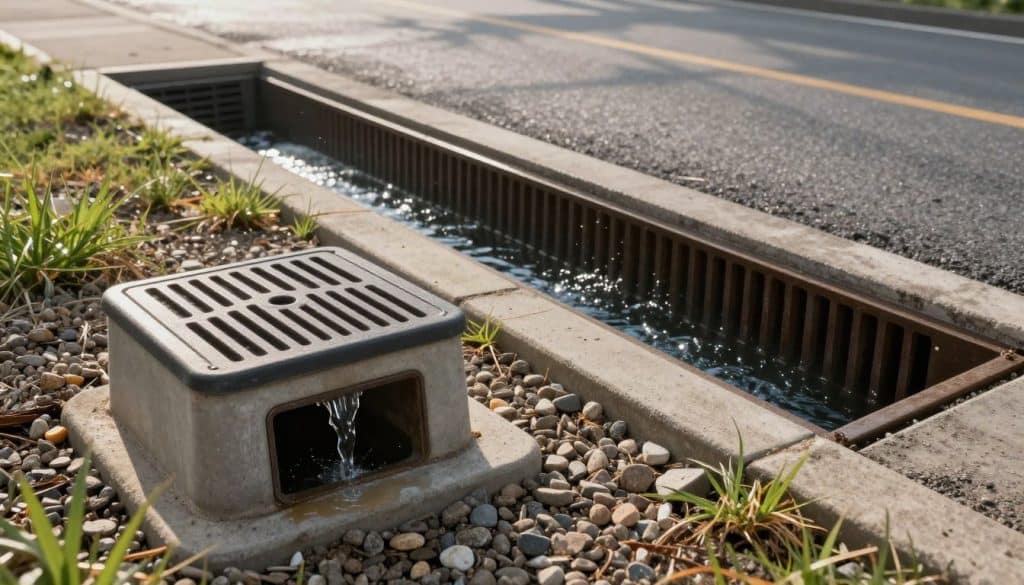
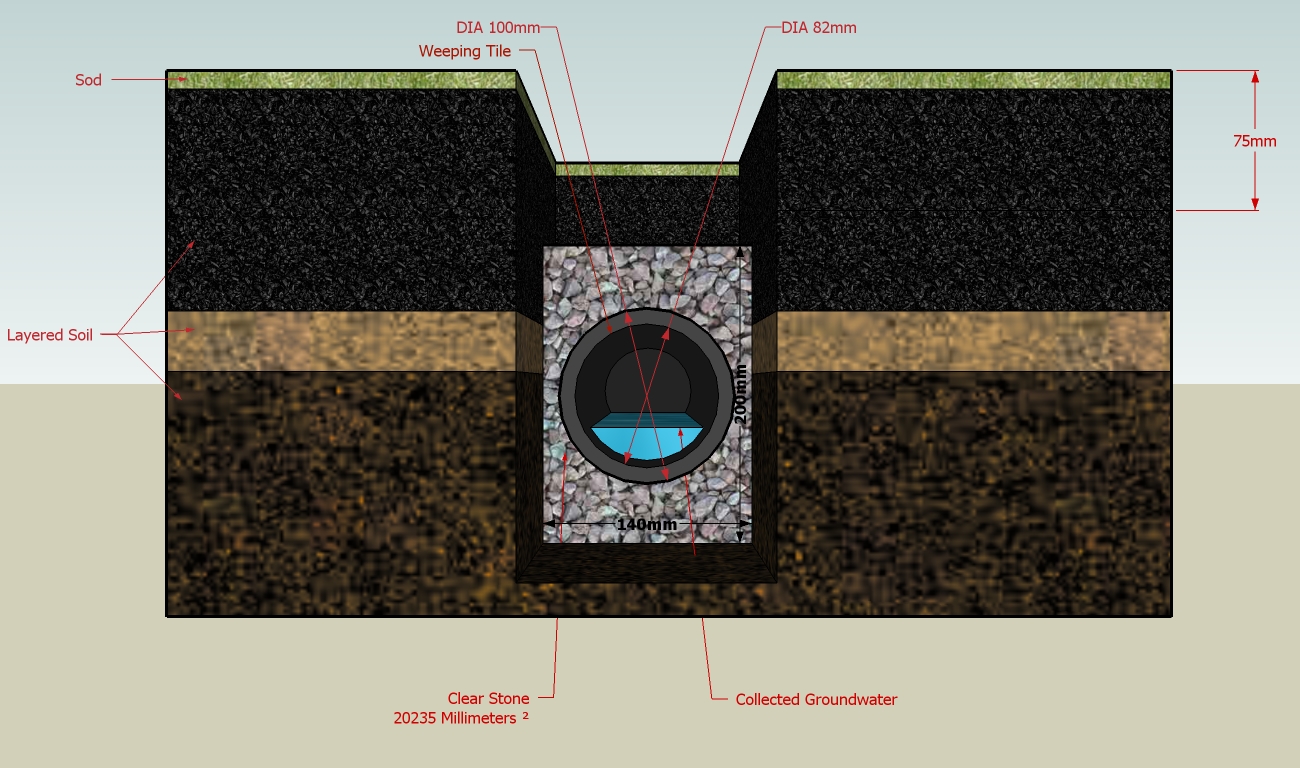
A French drain collects excess water and redirects it away from wet areas. To create that path, the contractor must excavate a trench, establish the correct slope, and install filter fabric, drainage stone, perforated pipe, and collection basins where necessary.
Depending on the property, the system may also connect to downspouts, a sump pump discharge line, a storm sewer, a pop-up emitter, or a pump-assisted drainage system.
Because this work takes place underground, the grass directly above the installation route must be removed. Heavy equipment, soil piles, and repeated foot traffic may also affect nearby areas temporarily. However, professional yard drainage solutions should include a clear plan for protecting and restoring the property—not simply digging a trench and leaving the homeowner with a damaged yard.
How Much of the Lawn Will Be Affected?
The amount of disruption depends mainly on the length and complexity of the system. A short French drain addressing one low spot will affect less lawn than a system running across the entire backyard.
The work area may also become larger when the project includes:
- Several collection basins
- Multiple downspout connections
- A buried sump pump line
- Extensive yard regrading
- A pump-assisted drainage well
- Removal of excess soil
- New sod across a larger area
The width of the trench is not necessarily the full width of the affected work zone. Crews need room to move equipment, store materials, and safely handle excavated soil. Before hiring a contractor, ask to see the proposed drainage route and approximate restoration area.
You should also confirm whether lawn restoration is included in the proposal. A helpful drainage company checklist can make it easier to compare contractors and identify missing services before work begins.
Can the Existing Grass Be Saved?
Sometimes, but not always.
If the lawn is healthy and the installation area is relatively small, sections of existing sod may be carefully removed and set aside before excavation. The contractor can reinstall them after the trench has been backfilled. This approach may reduce the visible difference between the repaired strip and the rest of the lawn.
However, existing sod cannot always be preserved successfully. Grass that has been sitting in standing water may already have weak roots, thinning growth, fungal problems, or compacted soil. Sod can also dry out while it is removed, particularly during hot weather.
In those cases, installing fresh sod may produce a more reliable result. Homeowners can review available sod installation options when planning the restoration stage.
How Professionals Minimize Lawn Damage
The contractor’s methods can make a significant difference in how the yard looks after installation. A professional crew should begin by marking a direct and efficient route from the collection area to a suitable discharge point.
Keeping the route efficient reduces unnecessary excavation. The crew should also protect patios, driveways, planting beds, fences, and unaffected turf while moving equipment and materials.
Other lawn-protection practices may include:
- Clearly marking the excavation area before work starts
- Using appropriately sized equipment for the property
- Placing excavated soil on protective coverings
- Separating reusable topsoil from clay or debris
- Avoiding unnecessary equipment traffic across the lawn
- Backfilling and compacting the trench correctly
- Restoring the proper grade before installing grass
Correct grading is especially important. A beautifully restored lawn will still develop problems if water cannot flow toward the French drain. Professional landscape grading services can help ensure that the finished surface supports the underground system.
What Will the Yard Look Like Immediately Afterward?
The appearance of the lawn immediately after installation depends on the restoration method.
Fresh sod provides the fastest visual recovery. The repaired area will look green immediately, although seams may remain visible until the roots become established. The color of the new sod may also differ slightly from the existing lawn at first.
Grass seed takes longer. The soil will remain visible while the seed germinates and develops, and the area may require several weeks of watering and protection. Seed is generally less expensive, but it does not provide the immediate finished appearance of sod.
Minor settling can sometimes occur along a recently backfilled trench. A properly installed system should be compacted carefully, but soil naturally adjusts after excavation. Ask the contractor how settling will be handled and whether restoration work is covered by a warranty.
How Long Until the Lawn Fully Recovers?
A sod-covered area may look finished as soon as the project is completed, but the roots still need time to attach to the soil. During this period, regular watering is essential. Heavy traffic, children, and pets should be kept away until the sod is secure.
Seeded areas take longer because the grass must germinate and mature. Weather, soil temperature, grass type, irrigation, and sunlight all affect the recovery time.
The season also matters. Sod installed during mild spring or fall conditions may establish more easily than sod installed during extreme summer heat. Your contractor should provide specific watering and care instructions based on the restoration method and installation date.
Ongoing lawn maintenance services can also help protect the restored area and keep collection basins free of leaves and debris.
Will You Still See the French Drain Later?
In most professionally completed projects, the visible signs gradually disappear as the grass becomes established. Collection basins may remain visible because they need to receive surface water and stay accessible for cleaning, but the underground trench and pipe should not interfere with normal lawn use.
A French drain that is properly designed, installed, graded, and restored should give you a more functional yard—not leave you with permanent landscape damage. Ware Landscaping also offers a 10-year drainage guarantee for qualifying drainage work, providing additional confidence in the long-term performance of the system.
Is Installing a French Drain Worth the Temporary Disruption?
For homeowners dealing with standing water, muddy grass, unusable outdoor areas, or water moving toward the foundation, the short-term disturbance is often worth it.
Excess water can damage grass roots, encourage weeds and fungal growth, create mosquito breeding areas, and contribute to more serious foundation drainage issues. Leaving the problem untreated may eventually cause more lawn damage than the installation itself.
The key is choosing a contractor who treats restoration as part of the project. Ask how much lawn will be affected, what equipment will be used, whether grading is included, and how the grass will be replaced.
If you are concerned about installing a French drain without ruining your lawn, request a free quote from Ware Landscaping. An on-site evaluation can determine the best drainage route, expected level of disruption, and most suitable restoration plan for your property.