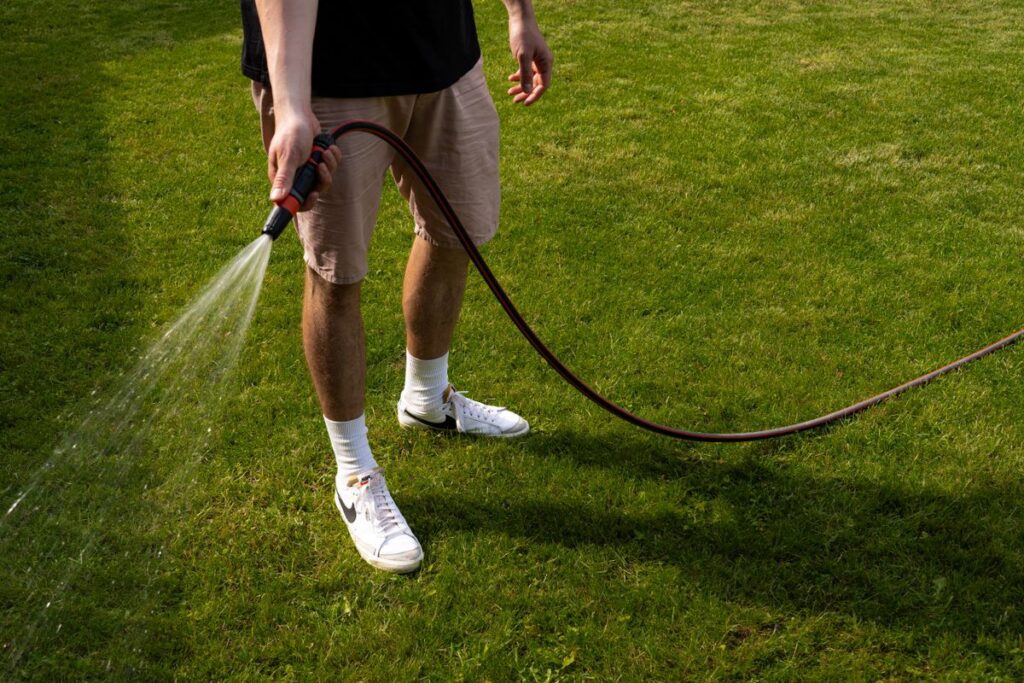

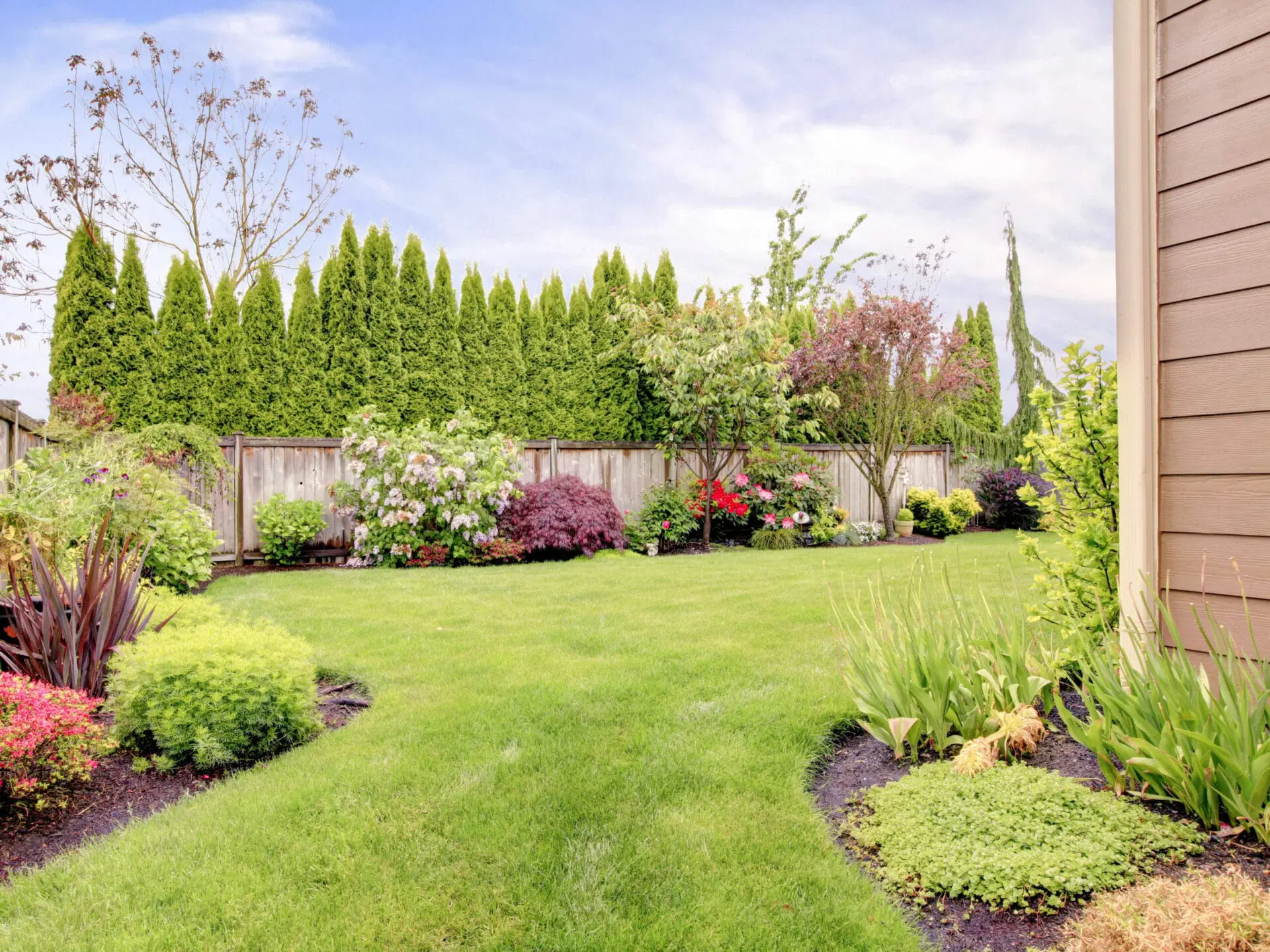
At Ware Landscaping, we often get calls from homeowners asking, “What type of lawn grass do I have?” or “How can I tell what kind of grass I have in my yard?” It is the most critical question in lawn care. You cannot properly fertilize, water, or apply weed control if you do not know what turf species you are managing.
Our approach to residential and commercial landscaping relies on precise, scientific property care. Identifying your grass type is step one. This comprehensive guide will teach you how to visually and technically identify your lawn grass, the difference between lawn types and grass species, and what common grasses look like across the USA.
Lawn vs. Grass Type: What is the Difference?
Before diving into identification, we need to clear up a common point of confusion: What’s the difference between lawn types and grass species?
Stop Guessing and Start Growing
Using the wrong fertilizer or mowing height for your grass type is the fastest way to kill your lawn. Let our experts provide a professional lawn analysis and a custom treatment plan tailored to your specific grass species and soil chemistry.
Get a Free Quote- Grass Species: This refers to the specific botanical plant growing in the soil (e.g., Poa pratensis, known as Kentucky Bluegrass).
- Lawn Type: This refers to the overall makeup of your yard. Very few lawns are just one grass species. Most northern “lawns” are actually a carefully formulated blend or mix of several grass species (like a mix of Kentucky Bluegrass, Perennial Ryegrass, and Fine Fescue) designed to balance shade tolerance, durability, and color.
How do I know what type of lawn I have? You have to identify the dominant grass species making up that blend.
The Big Divide: Common Grass Types in the USA
What are the common lawn grass types in the USA? The country is split into two major categories based on climate and growing temperatures:
1. Cool-Season Grasses
These thrive in the northern states and parts of the transition zone. They grow best when soil temperatures are between 50 degrees Fahrenheit and 65 degrees Fahrenheit (10 degrees Celsius to 18 degrees Celsius). They peak in spring and fall and may go dormant during the peak heat of summer.
- Common species: Kentucky Bluegrass, Tall Fescue, Perennial Ryegrass, Fine Fescues.
2. Warm-Season Grasses
These dominate the southern states and sunbelt. They thrive in the summer heat, growing best at temperatures of 75 degrees Fahrenheit to 90+ degrees Fahrenheit (24 degrees Celsius to 32+ degrees Celsius). They will turn brown and go dormant during the winter.
- Common species: Bermudagrass, Zoysiagrass, St. Augustinegrass, Centipedegrass.
How to Identify Grass Type in a Lawn: Step-by-Step
How do you do lawn grass species identification? You cannot simply look at the color from a distance. You need to get down on your hands and knees and examine the plant’s anatomy. What tools or methods are used to identify grass types? Your eyes, your fingers, and sometimes a magnifying glass.
Here are the best ways to determine what grass you have:
Step 1: Examine the Growth Habit (Specific Identification Features)
How to identify grass by its runners, blades, or growth habit? Look at how the grass spreads across the bare dirt.
- Bunch-Type: The grass grows in isolated clumps and expands slowly. (e.g., Tall Fescue, Perennial Ryegrass).
- Spreading/Runners: The grass spreads aggressively via stolons (above-ground runners that creep across the soil) or rhizomes (underground root stems).
- What grass types have runners/stolons or rhizomes? Bermudagrass (has both), Zoysiagrass (has both), St. Augustinegrass (stolons only), and Kentucky Bluegrass (rhizomes only).
Step 2: The Vernation Test (Detailed/Technical Identification)
Find a brand new, emerging grass shoot right in the center of a plant. Roll it between your thumb and forefinger.
- Folded Vernation: The new leaf is folded flat in half (creates a V-shape).
- Rolled Vernation: The new leaf is rolled into a tiny cylinder or straw shape.
Step 3: Inspect the Leaf Blade and Tip (Visual Identification)
- Blade Width: Is it fine/needle-like (Fine Fescue), medium, or wide and coarse (St. Augustine)?
- The Tip: Run your finger to the very tip of the blade. Is it pointed like a spear? Or is it blunt and “boat-shaped” (folded at the tip like the front of a canoe)? A boat-shaped tip is the classic identifier for Kentucky Bluegrass.
Visual Guide: What Do Different Lawn Grass Types Look Like?
If you are trying to visually identify your grass, here is a breakdown of the most common suspects and their unique characteristics:
Cool-Season Suspects
- Kentucky Bluegrass (KBG): Look for the boat-shaped leaf tip, folded vernation, and a distinct double-line (midrib) running down the center of the blade. It spreads via underground rhizomes.
- Turf-Type Tall Fescue: This is a bunch-type grass. It has wider blades with prominent, raised veins running vertically. It has rolled vernation and pointed tips.
- Perennial Ryegrass: A bunch-type grass with pointed tips. The underside of the blade is notably glossy and shiny, almost looking wet in the sun.
- Fine Fescues: Extremely narrow, almost needle-like blades. Highly shade-tolerant.
Warm-Season Suspects
- Bermudagrass: Highly aggressive. It has fine-to-medium pointed blades and spreads rapidly via thick, visible above-ground stolons and underground rhizomes.
- Zoysiagrass: Feels incredibly dense and somewhat prickly or stiff to walk on. It has narrow blades and spreads via stolons and rhizomes, but much slower than Bermuda.
- St. Augustinegrass: Very coarse, wide blades with rounded, blunt tips. It spreads exclusively through thick, chunky above-ground stolons. Spongy to walk on.
- Centipedegrass: Lighter apple-green color, medium blades, spreads via stolons, and has a distinct “creeping” look along edges.
Color & Characteristics: What Are the Dark Green Grass Types?
Many homeowners ask: What are the dark green grass types? If your goal is a deeply pigmented, emerald-green lawn, certain species naturally produce a darker hue than others (provided they have adequate nitrogen and iron).
Which grass types are known for being dark green?
- Kentucky Bluegrass: The gold standard for a deep, rich, dark blue-green color in northern lawns.
- Turf-Type Tall Fescue: Modern cultivars are bred specifically for incredibly dark green genetics that resist fading in the heat.
- Perennial Ryegrass: Known for a very dark green color combined with a glossy finish.
- Bermudagrass: When heavily fertilized and properly maintained, Bermuda can achieve a strikingly dark green color in southern lawns.
(Note: Grasses like Centipede and rough-stalk bluegrass naturally have a lighter, yellow-green tint, regardless of how much fertilizer you apply).
Still Unsure? Call in the Experts
Telling the difference between grass types especially when dealing with complex cool-season blends can be incredibly tricky for the untrained eye. Applying the wrong herbicide to the wrong grass type can destroy your entire lawn.
Stop Guessing and Start Growing
Using the wrong fertilizer or mowing height for your grass type is the fastest way to kill your lawn. Let our experts provide a professional lawn analysis and a custom treatment plan tailored to your specific grass species and soil chemistry.
Get a Free QuoteIf you are still struggling with grass identification, let the professionals take a look. Contact Ware Landscaping today. We will assess your turf, identify the specific species present, and build a customized seasonal maintenance plan to help your specific lawn thrive.