

For residents and business owners in Wheaton, the beauty of our tree-lined streets in neighborhoods like Danada East or North Wheaton comes with a seasonal challenge: managing stormwater. Between the intense Midwest summer thunderstorms and the heavy autumn leaf drop, our local drainage infrastructure is constantly under pressure.
When a storm drain fails, the results are immediate and costly street flooding, basement seepage, and property damage. At Ware Landscaping, we believe that understanding your local drainage system is the first step in protecting your investment. This guide covers everything you need to know about storm drain cleaning services in Wheaton, IL, from city regulations to private maintenance costs.
Understanding Wheaton’s Storm Sewer System
Wheaton manages a complex and aging network designed to keep our community dry. To understand why professional cleaning is necessary, it helps to know what we are up against:
- The Scale: The City of Wheaton maintains approximately 185 miles of storm sewer collection systems, including 5,247 storm sewer structures (catch basins and manholes) and over 150 retention ponds.
- The Watersheds: Our system drains into three primary local watersheds that feed into larger U.S. waterways. This means that what goes down your drain directly impacts the regional environment.
- The “Separate” System: It is a common misconception that storm drains lead to a treatment plant. In Wheaton, storm sewers are completely separate from sanitary sewers. While the Wheaton Sanitary District handles your indoor wastewater, the storm drains lead directly to local creeks and ponds, usually without treatment.
The Aging Infrastructure Challenge
About 11% of Wheaton’s system consists of open ditches and culverts. Many of these have remained untouched for over 50 years, leading to significant silt buildup sometimes as much as 2 to 4 feet in areas like Spring Brook #1. This buildup drastically reduces the system’s capacity, leading to foul odors and increased flooding risks during heavy rains.
Why Professional Storm Drain Cleaning Matters
Clogged storm drains are more than just a nuisance; they are a threat to public health and property safety. Professional storm drain cleaning services provide several critical benefits:
1. Flood Prevention
The primary job of a storm drain is to move water away from roads and foundations. When catch basins are filled with sediment, trash, or organic debris, water backs up. This creates “ponding” on Wheaton roads, which is a major hazard for drivers and can lead to water entering low-lying garages or basements.
2. Environmental Protection
EPA guidelines and Wheaton’s Stormwater Phase II NPDES permit require the city and its residents to prevent pollution. Regular cleaning removes oils, antifreeze, pesticides, fertilizers, and animal waste before they reach our local lakes and rivers.
3. Infrastructure Longevity
Debris left in a storm pipe doesn’t just sit there; it can lead to corrosion and structural weakening. Regular maintenance prevents the need for “emergency repairs,” which are far more expensive for both the city and private property owners.
Who is Responsible? City vs. Homeowner
One of the most frequent questions we hear in Wheaton is: “Who is responsible for this drain?” The City of Wheaton Public Works Sewer Division handles public infrastructure, but private property owners have their own set of duties.
| Feature | Homeowner/Business Responsibility | City of Wheaton Responsibility |
| Public Street Catch Basins | No | Yes (Cleaning and Repair) |
| Private Backyard Basins | Yes (Keep Clear of Debris) | No (Usually) |
| Private Lines (Home to Main) | Yes | No |
| Retention Ponds (on HOA land) | Yes (Maintenance/Mowing) | No |
When to Call the City
If you notice a public street drain is clogged or the street is flooding, contact the Wheaton Sewer Division at 630-260-2110 during business hours. For emergencies during severe storms, use the Storm Desk at 630-260-2121.
When to Call a Professional Like Ware Landscaping
If you have a catch basin in your backyard, a parking lot drain at your business, or a private line connecting your property to the city main, the maintenance falls on you.
Professional Cleaning Methods: How It’s Done
Modern storm drain cleaning services in Wheaton utilize specialized equipment to ensure a 100% clear line.
- Dry Cleaning: This is the manual removal of large debris, trash, and heavy leaf mats from the top of the grate and the “sump” of the catch basin.
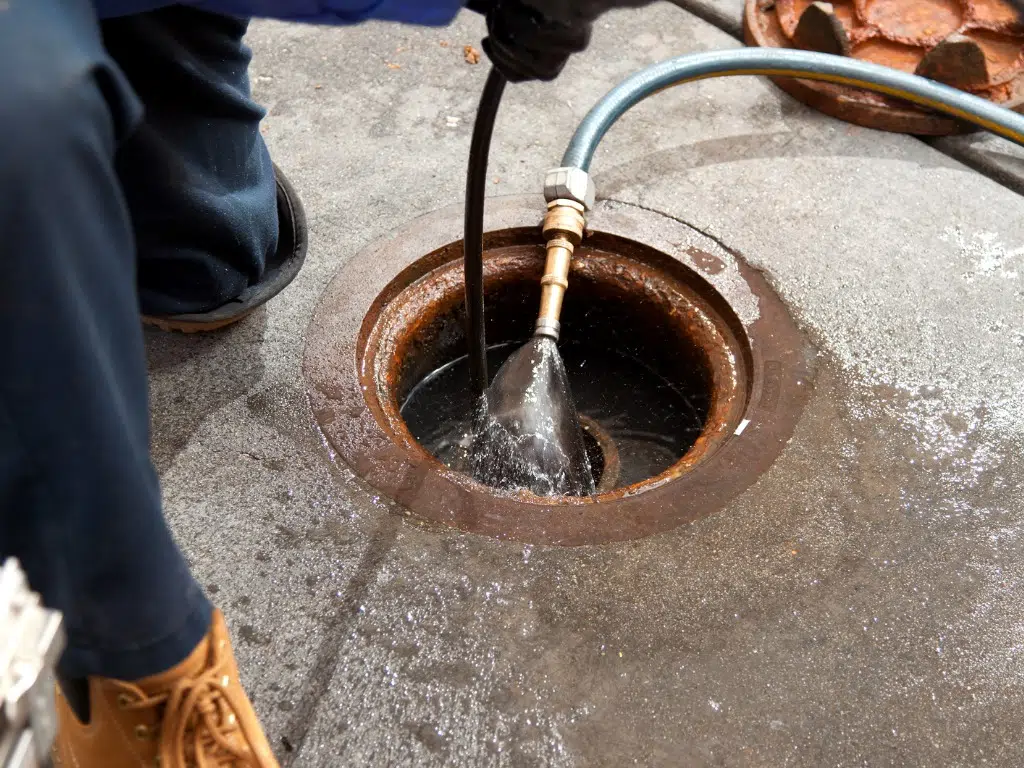
- Hydro-Jetting (Wet Cleaning): We use high-pressure water to scour the inside of the pipes. This removes “sludge,” mineral deposits, and grease that a simple vacuum cannot reach.
- Vactor (Jet-Vac) Trucks: These are massive industrial vehicles that combine high-pressure jetting with powerful vacuums. They are essential for large-scale sediment removal in Wheaton’s aging ditches and basins.
- CCTV Camera Inspections: For recurring clogs, we use waterproof cameras to inspect the line. This allows us to see if the issue is a simple clog or a structural failure like a collapsed pipe or root intrusion.
Cost of Storm Drain Cleaning in Wheaton (2025–2026)
Investing in maintenance is a fraction of the cost of flood remediation. Based on current Wheaton area data, here is what you can expect:
- Residential Backyard Basin: $100 – $300 per unit.
- Commercial/Parking Lot Drains: $200 – $600 per unit.
- General Drain Line Cleaning: The average range for the Wheaton area is $259 – $345, though complex rodding or root removal can increase this.
- City Public Drains: These are funded by your Storm Sewer Service Charge (approximately $0.65 per 100 cubic feet of water used), meaning there is no direct bill for public street maintenance.
How Often Should You Schedule Service?
- Municipal Standard: The EPA recommends a 5-year full cycle (cleaning 20% of the system every year).
- Residential/Commercial Best Practice: We recommend an annual or bi-annual inspection. If your property is in a leaf-heavy area or near a construction site, quarterly checks are safer.
- The Warning Signs: If you see water pooling for more than 72 hours after a storm, or if you smell foul “rotten egg” odors near your drains, it is time for a professional cleaning.
Proactive Maintenance Tips for Wheaton Residents
While professional cleaning is essential, you can help protect your property and the city’s system with these simple steps:
- Clear the Grates: Especially in the fall, rake leaves away from the storm grates in front of your home.
- No Dumping: Never pour oil, chemicals, or grass clippings into a storm drain. It is illegal and harms our local watersheds.
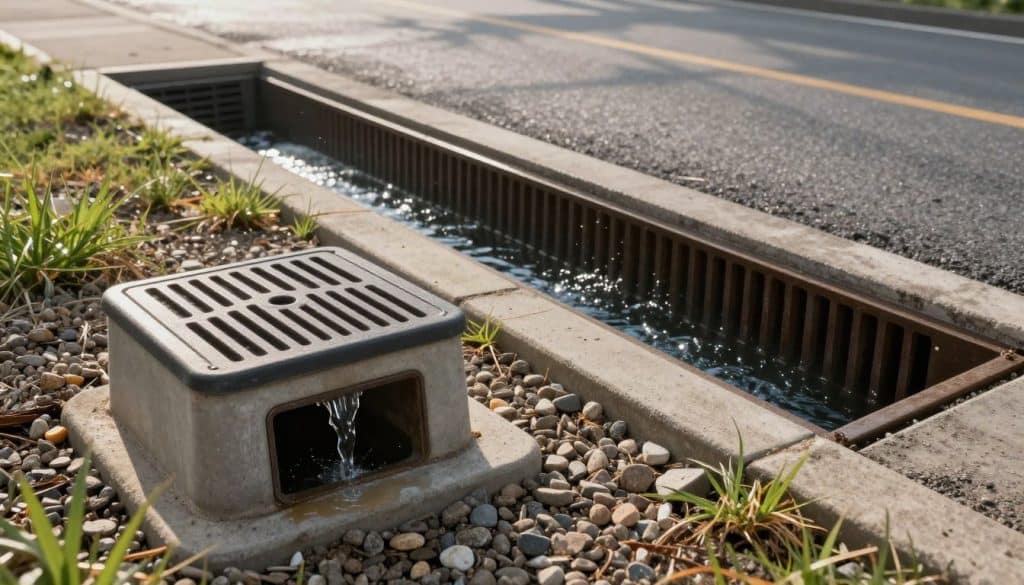
- Check Your Grading: Ensure your landscaping slopes away from your home’s foundation and toward the proper drainage swales.
- Sump Pump Safety: Ensure your sump pump discharge is not creating a “short circuit” by dumping water right back into your foundation.
Why Choose Ware Landscaping for Your Wheaton Property?
At Ware Landscaping, we understand Wheaton’s unique drainage challenges from the aging Spring Brook siltation issues to the specific requirements of the DuPage County Stormwater Ordinance. We provide comprehensive storm drain cleaning services that go beyond the surface, ensuring your private infrastructure is ready for the next big storm.
Don’t let a clogged drain threaten your property. Contact Ware Landscaping today for a professional storm drain inspection in Wheaton!