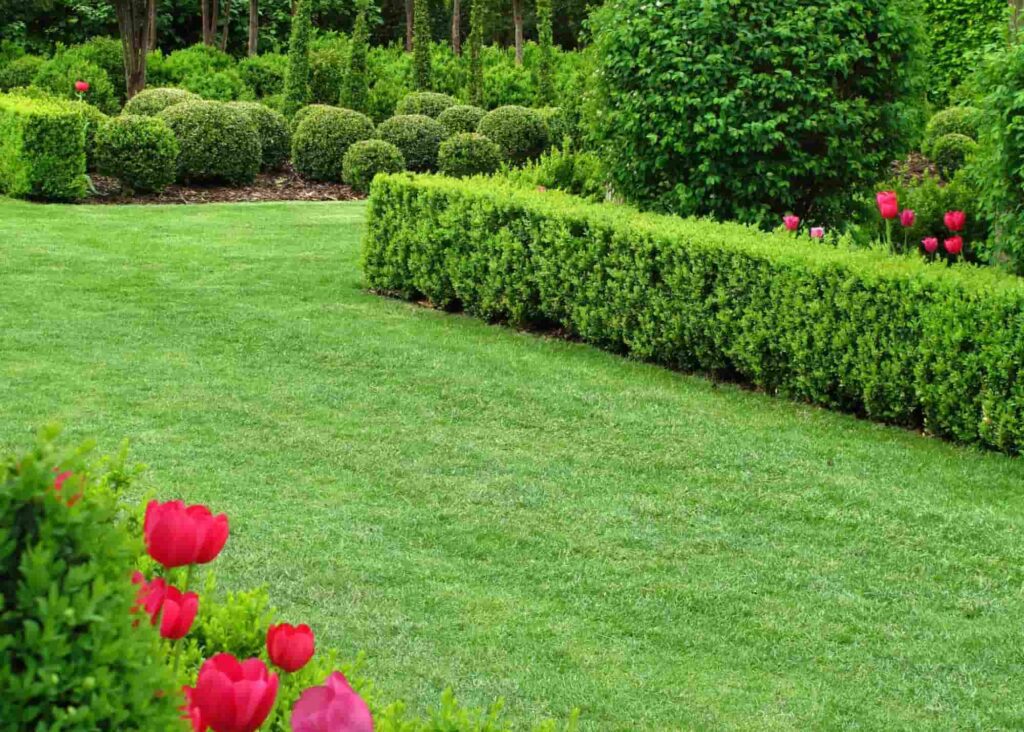

A new lawn can transform a property quickly but the cost varies more than most homeowners expect. The method you choose, the condition of your yard, your location, and the type of grass all play a role in the final number. A project that costs $3,000 for one homeowner can easily run $15,000 for another, even at the same square footage.
Understanding what drives those differences before you start planning puts you in a much better position. Whether you are considering natural sod for immediate results, hydroseeding for a budget-friendly approach, or artificial turf for a low-maintenance long-term solution, what follows breaks down the costs clearly so you can make the right call for your property.
The Three Main Options and What They Cost
Before getting into the details, here is a straightforward comparison of the three most common approaches:
| Method | Material Cost | Installed Cost (per sq ft) |
| Natural Sod | $0.30–$0.85/sq ft | $1.00–$6.00 |
| Hydroseeding | $0.10–$0.25/sq ft | $0.50–$1.50 |
| Artificial Turf | $2.00–$20.00/sq ft | $10.00–$20.00 |
For a typical 2,000 sq ft lawn, that translates roughly to:
- Sod: $4,000–$12,000 installed
- Hydroseeding: $1,000–$2,500 with labor
- Artificial turf: $10,000–$40,000 depending on quality
Sod is a living investment that fails instantly without professional soil prep and grading. Get a lush, high-traffic lawn installed by the experts who guarantee it takes root.Don’t Throw Your Money Away on Dead Grass
Each option serves a different need. Sod gives you an immediate lawn. Hydroseeding is more affordable but takes weeks to establish. Artificial turf costs the most upfront but removes nearly all ongoing maintenance.
What Is Sod and Why Do People Choose It?
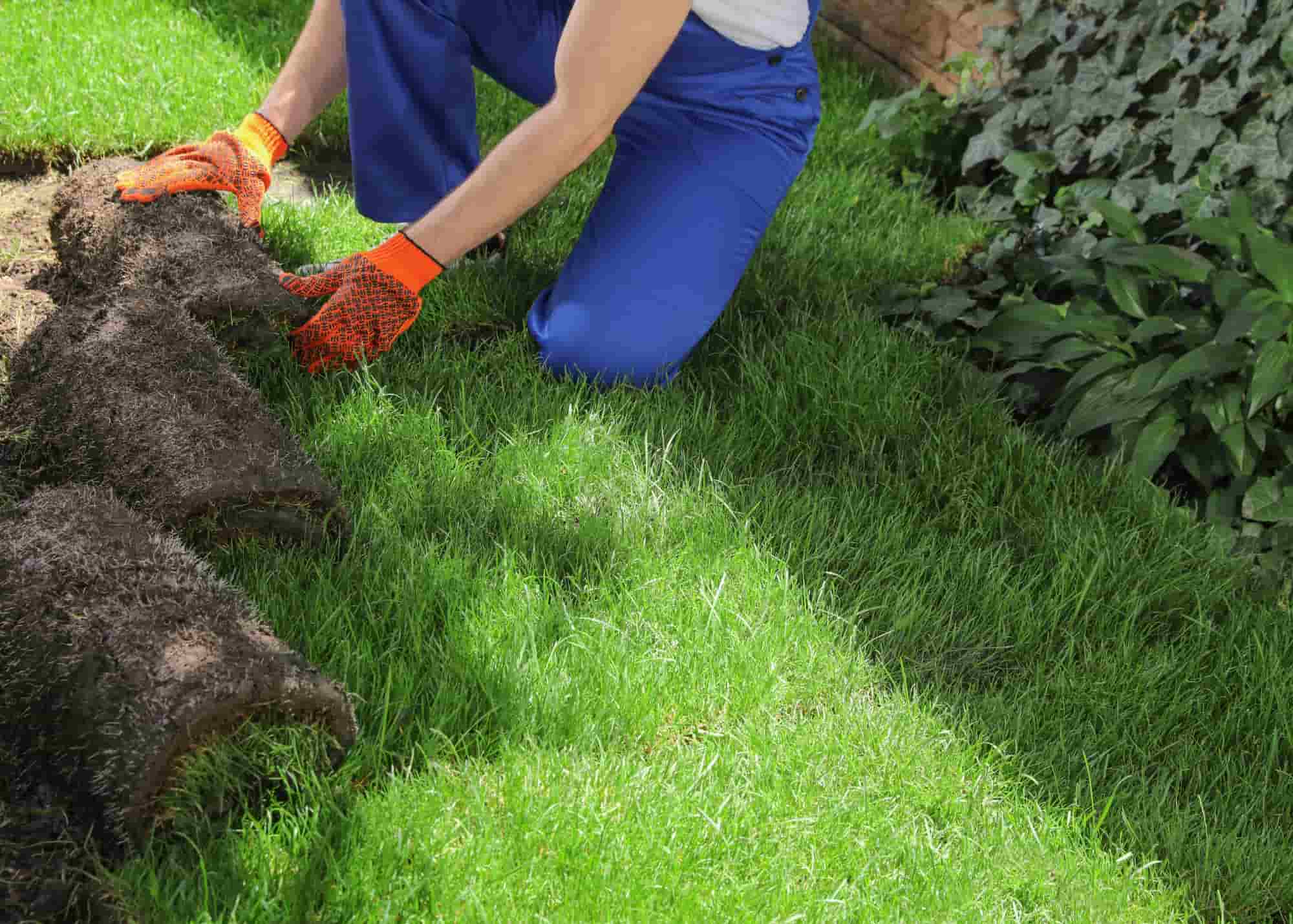
Sod is pre-grown grass that comes with its root system and a thin layer of soil already intact. It arrives in rolls or slabs and is laid directly onto prepared ground, giving you a functional lawn within 2 to 3 weeks.
It costs more than seeding, but it works immediately, holds up against rain and erosion from day one, and has a much higher success rate. For properties with slopes, newly built homes, or yards with poor soil, sod is often the more practical choice.
Cost by Project Size
| Project Size | Estimated Installed Cost |
| Small yard (500–1,000 sq ft) | $1,000–$3,000 |
| Average yard (5,000 sq ft) | $5,000–$17,500 |
| Large property (half acre+) | $20,000–$98,000 |
Sod is typically sold by the pallet. One pallet covers around 450 to 500 square feet and costs between $150 and $450 for materials alone.
What Affects the Final Price?
Several factors move the number up or down significantly:
Grass variety. Not all grass is the same price. Here is a quick look at common options:
| Grass Type | Material Cost (per sq ft) | Best For |
| Kentucky Bluegrass | $0.29–$0.43 | Cool northern climates |
| Fescue | $0.32–$0.67 | Shaded yards, Midwest and North |
| Bermuda | $0.44–$0.83 | Southern lawns, high durability |
| Zoysia | $0.40–$0.60 | Transition zone, low maintenance |
| St. Augustine | $0.41–$0.86 | Coastal South, salt-tolerant |
Yard condition. Sloped yards, limited equipment access, or ground with old tree roots can push labor costs up by 20 to 50 percent.
Soil preparation. This is where many homeowners get surprised. Laying sod over compacted dirt or dead grass is one of the most common reasons new lawns fail. Removing old turf and tilling the soil properly adds roughly $0.20 to $0.50 per square foot, but it is not optional if you want the sod to survive.
Season. Spring and fall are peak installation seasons. Higher demand during those windows can lead to longer wait times or slightly higher pricing.
Location. Labor rates vary by region:
- Northeast (NY, MA): $1.80–$3.80/sq ft
- Southeast (GA, FL): $1.50–$3.50/sq ft
- West Coast (CA, WA): $2.00–$4.00/sq ft
- Midwest (IL, MI): $1.50–$3.50/sq ft
DIY vs. Professional Installation
DIY sod installation can save 30 to 50 percent on total cost. But it is physically demanding. A single pallet of sod weighs over 2,000 lbs and mistakes in soil preparation or laying the seams can lead to the sod drying out and dying, which means paying again to fix it.
Professional installation includes proper grading, heavy equipment, and typically a warranty on the installation. The extra cost per square foot is usually worth it for anything beyond a small, simple yard.
Artificial Turf: The Long-Term Math
Artificial turf has a high upfront cost between $10 and $20 per square foot installed but the maintenance costs are near zero. No mowing, no fertilizing, no irrigation beyond an occasional rinse.
The cost breakdown for a professional artificial turf installation typically looks like this:
- Materials: $2–$20/sq ft depending on pile type and quality
- Labor: $3–$10/sq ft
- Site preparation: $1–$5/sq ft
- Infill and accessories: $0.50–$3/sq ft
Over 12 years, a 1,500 sq ft natural lawn can cost upwards of $46,000 when you account for water, mowing, fertilizer, and treatments. The same area in artificial turf, including installation and minimal upkeep, runs closer to $26,000. That is a meaningful difference over time.
For households with pets or children, polyethylene turf with an antimicrobial coating is worth the added cost . It resists odors and is easier to keep clean.
Additional Costs Worth Planning For
Beyond the grass itself, a few other items can add to your budget:
- Irrigation system: $1,500–$3,500 if your yard does not have one
- Soil amendments and fertilizer: $100–$500 depending on soil condition
- Edging and landscaping: $500–$2,000 for added definition
- Weed control: $50–$300 annually for natural lawns
Post-Installation Care for Natural Sod
Once sod is down, the first two weeks are the most critical.
Watering. Start within 30 minutes of installation. For the first two weeks, keep the sod consistently moist. Water two to three times daily but avoid puddling. Too much water rots the roots before they can establish.
Mowing. Wait until the roots have attached to the soil before mowing, usually 2 to 3 weeks. Test by gently pulling a corner. If it resists, it is ready. Never cut more than one-third of the blade height at one time.
Traffic. Keep children and pets off the new lawn for at least 14 days. The roots need time to knit into the soil without disturbance.
Common Mistakes That Cost Homeowners More Later
Skipping the soil test. If your soil pH is off, the sod will struggle to establish no matter how much you water it.
Leaving gaps between sod pieces. Sod should be staggered like brickwork with edges touching tightly. Gaps dry out and become entry points for weeds.
Sod is a living investment that fails instantly without professional soil prep and grading. Get a lush, high-traffic lawn installed by the experts who guarantee it takes root.Don’t Throw Your Money Away on Dead Grass
Overwatering. More water is not always better. Saturated soil can rot new roots before they ever anchor properly.
Choosing the wrong grass type. Using a warm-season grass in a northern climate, or vice versa, leads to failure within the first year.
Frequently Asked Questions
How long does sod take to fully root?
Generally 2 to 6 weeks depending on weather, soil prep, and watering consistency. In cooler conditions it may take longer.
Is sod worth it compared to seeding?
Seeding costs far less. Roughly $0.09 to $0.19 per square foot in materials — but it takes 10 to 12 weeks to establish, requires perfect conditions, and is highly vulnerable to weeds and washout. Sod is the better choice when you need results quickly or have a yard with erosion concerns.
When is the best time to install sod?
Spring and early fall are ideal. Moderate temperatures help the roots establish before the heat of summer or the freeze of winter.
Does artificial turf get hot in summer?
Yes, standard artificial turf can get significantly warmer than natural grass in direct sunlight. Opting for a cooling infill material adds cost but keeps surface temperatures 50 to 70°F lower on hot days.