
At Ware Landscaping, we understand that a well-maintained gravel driveway is a point of pride for many homeowners. Gravel is affordable, provides excellent drainage, and offers a classic aesthetic that fits perfectly with our local architecture. However, when the first heavy snowfall of the season hits, that same gravel becomes a unique challenge. Unlike asphalt or concrete, which provide a smooth, solid surface for plows and shovels, gravel is loose and easily displaced.
If you approach snow removal on gravel the same way you would on a paved surface, you risk more than just a messy yard; you risk creating ruts, potholes, and “gravel contamination” in your lawn that will take hours of back-breaking work to fix in the spring. In this guide, we’ll share the professional techniques we use to keep your driveway clear while keeping your gravel exactly where it belongs.
The Science Of The Gravel Driveway
Gravel driveways are typically composed of crushed stone, pea gravel, or recycled asphalt. While they are durable, they are highly susceptible to the “freeze-thaw cycle.” When water seeps between the stones and freezes, it expands, pushing the gravel apart and creating a surface that is less stable than it was in the summer.
When you introduce heavy snow removal equipment into this environment, the risk of “scalping” the process of accidentally digging up the top layer of stone is high. Proper snow management on gravel isn’t just about moving the white stuff; it’s about preserving the structural integrity of the driveway itself.
The Golden Rule: Build A Protective Base
The most important tip any professional landscaper can give you for a gravel driveway is this: Don’t clear the first snow of the year down to the stone.
Instead, you want to build a “protective base.” When the first one or two inches of snow fall, don’t break out the snow blower. Instead, drive your vehicle over it a few times to pack it down. As the temperature drops, this packed snow will freeze into a hard, icy crust that acts as a shield for your gravel. For the rest of the winter, you will be clearing snow off this frozen layer rather than off the loose stones themselves. This simple step is the single most effective way to prevent gravel displacement.
Essential Tools For Gravel Surfaces
Using the wrong equipment is the fastest way to ruin a gravel driveway. Here is what we recommend:
- Two-Stage Snow Blowers: Unlike single-stage blowers, where the auger touches the ground, two-stage models use an impeller to throw snow. Most importantly, they come with adjustable “skid shoes.” These allow you to raise the height of the intake so that it hovers about half an inch above the surface, preventing the machine from “eating” your gravel.
- Plows With Rubber Edges: If you use a plow on a tractor or ATV, ensure it has a rubber cutting edge or a “pipe” edge. A hard steel blade will dig into the gravel immediately. A rubber edge provides enough give to skim over the stones without catching.
- Leaf Blowers: For light, dry “powder,” a high-powered leaf blower is your best friend. It clears the snow with zero physical contact, ensuring your gravel remains perfectly in place.
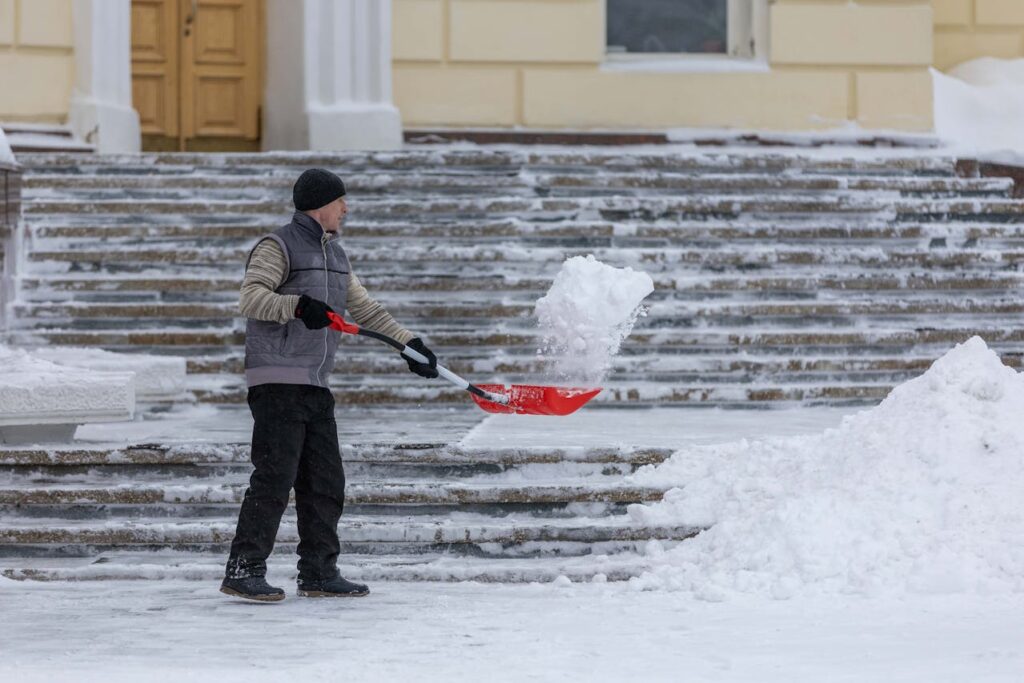
- Garden Rakes: For wet, heavy snow in small areas, a sturdy garden rake can be more effective than a shovel. The tines allow you to pull the snow away while letting most of the gravel slip through.
Step-By-Step Guide To Damage-Free Clearing
1. Preparation Before The Storm
The best time to manage snow is before it falls. Ensure your driveway is level and that you have filled in any low spots or potholes. A flat surface is much easier to clear than an uneven one. Also, mark the edges of your driveway with reflective stakes so you know exactly where the gravel ends and the lawn begins, even under a foot of snow.
2. Managing The Initial Snowfall
As mentioned, let the first light snowfall pack down. This “sacrificial layer” is your best defense. If the ground isn’t frozen yet, avoid using heavy machinery entirely.
3. Clearing Heavier Accumulations
When a major storm hits, set your equipment height higher than usual. If you are using a snow blower, set the skid shoes so the blade is roughly 1/2 to 1 inch above the base. It is better to leave a thin layer of snow behind than to project a stream of rocks into your neighbor’s window or your own lawn.
4. Addressing Remnants And Ice
Once the bulk of the snow is moved, resist the urge to scrape the bottom. For traction, apply a mixture of sand and pet-safe ice melt. Sand provides immediate “grit” for tires, while the ice melt prevents the packed base from becoming a dangerous skating rink.
Comparison Of Removal Methods
| Method | Best For | Pros | Cons |
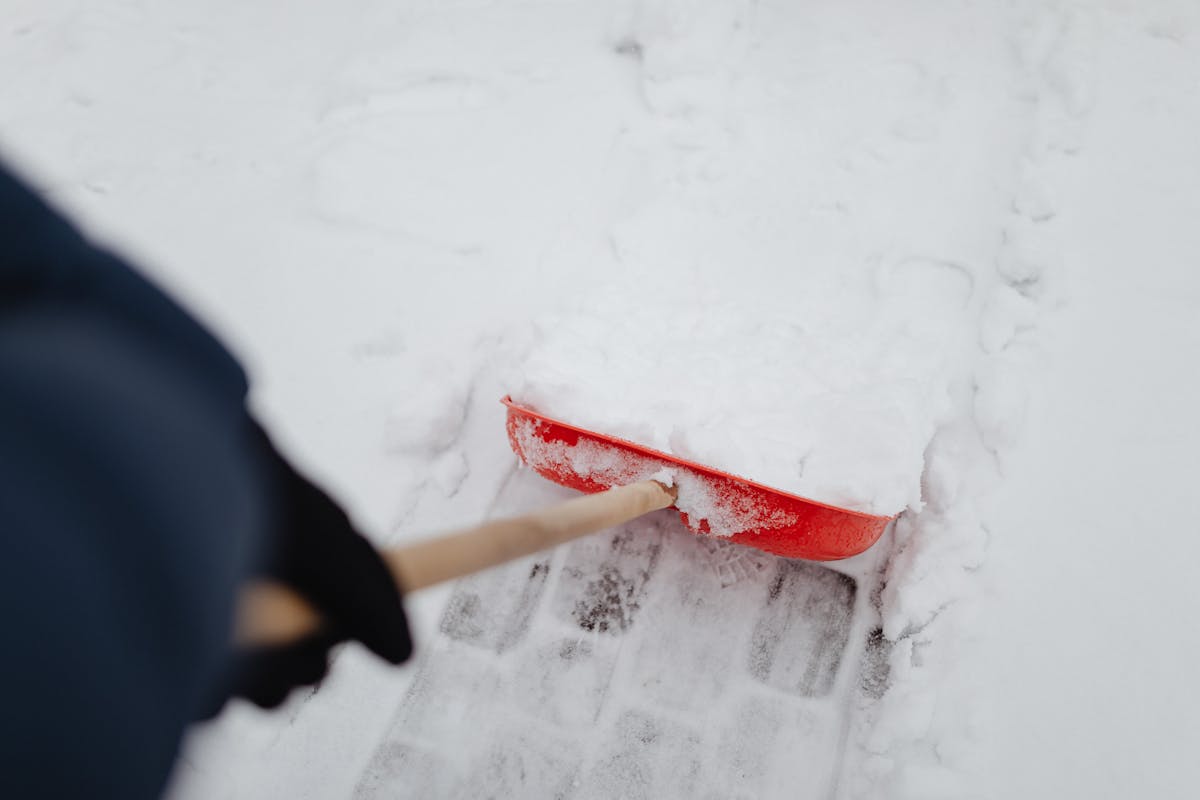
| Shoveling | Light Snow | Maximum precision; zero gravel loss. | Extremely labor-intensive on large drives. |
| Two-Stage Blower | Heavy Snow | Efficient; adjustable height protects stone. | Higher cost; requires maintenance. |
| Leaf Blower | Light Powder | Quickest method; no contact with ground. | Only works with dry, light snow. |
| Plowing | Long Drives | Clears 400+ foot driveways in minutes. | High risk of “scalping” if not careful. |
| Heated Mats | Critical Paths | Effortless; prevents ice entirely. | High initial investment and electricity cost. |
Common Mistakes To Avoid
- Using Single-Stage Blowers: The paddle on a single-stage blower makes direct contact with the ground. On gravel, this turns the machine into a rock-flinging hazard.
- Plowing Too Early: If the ground beneath the gravel hasn’t frozen yet, it is “soft.” Plowing soft gravel is a recipe for deep ruts that will turn into mud pits come spring.
- Stacking Snow Too Close: Always push your snow piles as far back from the driveway as possible. When those piles melt, the runoff can erode the edges of your driveway, washing your expensive gravel into the ditch.
- Overusing Chemical Melts: While salt is effective, it can create a “slurry” of mud and gravel that is very difficult to manage. Stick to sand-heavy mixes for the best results on stone surfaces.
Post-Winter Maintenance
Once the spring thaw arrives, you will likely find some gravel has migrated into your grass. Use a stiff outdoor broom or a landscape rake to gently move it back onto the driveway. Inspect the surface for any new potholes caused by the frost and fill them immediately to prevent further erosion during the rainy spring season.
When To Call The Professionals
Managing a long or steep gravel driveway can be a full-time job during a rough winter. If you find yourself struggling with equipment adjustments, or if you’re tired of spending your weekends raking stones back into place, Ware Landscaping is here to help. Our team has the specialized equipment and the experience to handle gravel surfaces with the care they deserve.
We pride ourselves on being reliable, professional, and capable of handling any seasonal challenge. Whether you need a one-time clearing after a blizzard or a seasonal maintenance plan, we are your local experts in property care. Stay warm, stay safe, and let us handle the heavy lifting!