

A snow-covered driveway can turn an ordinary winter morning into a frustrating start to the day. But what if you don’t own a shovel, cannot comfortably lift snow, or simply want an easier way to clear your driveway?
Fortunately, several alternatives can help you remove snow without shoveling. The best option depends on your driveway’s surface, the depth and type of snow, your budget, and how quickly you need access to your garage or street.
For homeowners across Naperville and the greater Chicago suburbs, these factors matter. A few inches of fresh powder may be easy to clear with a leaf blower, while wet snow, compacted tire tracks, and overnight ice may require more powerful equipment or professional assistance.
Some methods cost very little, particularly if you already own a leaf blower or suitable snow-clearing equipment. Others, such as heated driveways, require a significant investment. When snowfall becomes too deep or conditions become hazardous, professional snow removal may be the safest and most practical solution.
At Ware Landscaping, we understand the importance of keeping driveways accessible throughout winter. Here’s how to choose a shovel-free snow removal method that suits your property.
Why Skip the Shovel?
Shoveling snow can be physically demanding. Repeated lifting, bending, and twisting in cold weather may strain the back and shoulders. The exertion can also place significant demands on the cardiovascular system, particularly for people who are not accustomed to strenuous activity.
Choosing an alternative can reduce the physical effort involved, although powered equipment, deicing products, and icy surfaces also require care.
Avoid manual shoveling when:
- Your driveway is large or steep and would take considerable time to clear.
- Physical limitations make lifting or pushing snow difficult.
- Heavy, wet snow has accumulated.
- Repeated clearing throughout a prolonged storm would be difficult.
- Ice has formed beneath the snow, creating a slipping hazard.
- You need dependable access to your property during frequent winter storms.
If strenuous activity poses a health risk, choose a genuinely hands-off solution or arrange professional assistance rather than attempting to operate equipment that you cannot use safely.
Best Alternatives to Shoveling Snow
The most effective alternative depends on your driveway’s size and surface, the snow conditions, and how much you want to spend. The following methods range from inexpensive options for light snowfall to powered equipment and permanent snow-melting systems.
1. Snow Blowers
A snow blower is one of the most practical alternatives to manual shoveling for homeowners who regularly experience snowfall. Instead of lifting snow, the machine collects it and discharges it through a chute away from the cleared area.
Snow blowers are available in electric, battery-powered, and gas-powered models. Their suitability depends on the machine’s capacity, the amount and type of snow, and the size of the driveway.
- Single-stage snow blowers: Often suitable for smaller paved driveways and light to moderate snowfall. Their augers typically contact the surface, making them less suitable for loose gravel.
- Two-stage snow blowers: Better suited to heavier accumulations and larger driveways. Many have adjustable skid shoes to help keep the intake above gravel.
- Three-stage snow blowers: Designed for demanding snow-clearing conditions, depending on the model’s specifications.
Battery-powered and electric machines can be convenient for smaller properties, while gas-powered machines may be better suited to large driveways or frequent heavy snowfall. Always check the manufacturer’s recommended operating conditions and snow-clearing capacity.
Best for: Homeowners who need a reusable solution for regular snowfall.
Budget: Moderate to high upfront cost, depending on the equipment.
Driveway surface: On concrete and asphalt, adjust the machine according to the manufacturer’s instructions to avoid unnecessary scraping. On gravel, use equipment designed for that application and set its skid shoes appropriately to reduce the risk of throwing stones.
Gravel surfaces need particular attention because removing every trace of snow can displace the stones. A properly adjusted machine helps protect the driveway while clearing accumulated snow.
2. Leaf Blowers for Light Snow
A leaf blower can remove a surprising amount of snow when conditions are right. It directs air across the driveway, pushing loose snow away without requiring a blade or auger to contact the surface.
This method works best when:
- Snow is dry, light, and powdery.
- Accumulation is shallow, generally around 1–2 inches.
- The driveway is relatively smooth and unobstructed.
- Wind conditions allow you to direct the snow away from cleared areas.
A leaf blower is unlikely to work well on wet snow, compacted tire tracks, or snow that has frozen onto the pavement. Strong winds may also blow the snow back into the area you have just cleared.
Best for: Small paved driveways and light, fresh snowfall.
Budget: Low if you already own a suitable blower; otherwise, the cost depends on the model.
Driveway surface: Because the blower does not need to scrape the surface, it can be useful on concrete, asphalt, and gravel when the snow is loose enough to move. However, it will not remove underlying ice.
Use outdoor-rated equipment safely, keep electrical connections dry, and never operate a gas-powered leaf blower in an enclosed garage because of carbon monoxide risk.
3. Snow-Melting Products
Deicing products can help loosen bonded snow and reduce ice, making a driveway safer and easier to clear. They work best when mechanical removal has already cleared most of the snow or when a thin layer of ice remains.
Common products include sodium chloride, calcium chloride, magnesium chloride, and calcium magnesium acetate.
| Deicer or traction material | Main advantage | Important limitation |
| Rock salt (sodium chloride) | Usually the lowest-cost common option | Becomes less effective at lower temperatures and can damage plants and some concrete surfaces |
| Calcium chloride | Can work at lower temperatures than ordinary rock salt | Can still affect surrounding materials and vegetation if misused |
| Magnesium chloride | Used in some lower-temperature deicing products | Not harmless to plants, pets, or waterways |
| Calcium magnesium acetate (CMA) | An alternative when reducing chloride impacts is a priority | Usually more expensive and may perform differently from traditional salts |
| Sand or suitable traction grit | Improves grip without melting ice | Does not melt snow and must be cleaned up afterward |
Always follow the product label for application rates, temperature limits, and surface restrictions. A product marketed as pet-friendly or environmentally friendly should not automatically be considered harmless.
Best for: Thin ice, slippery patches, and reducing the bond between snow and pavement.
Budget: Low to moderate, depending on the product and frequency of use.
Driveway surface: Choose a product compatible with your driveway material. Newly installed or vulnerable concrete may require particular care. On gravel, use deicers sparingly and prioritize suitable snow-clearing techniques and traction management.
Salt can also move into planting beds through runoff and snow piles, damaging roots and affecting soil conditions. Careful application helps reduce this risk.
4. Heated Driveway Systems
If you are planning a new driveway or a major renovation, a heated driveway can reduce the need for repeated snow clearing.
These systems use heating elements or circulating heated fluid beneath the driveway surface to melt snow and help prevent accumulation.
There are two main types:
- Electric systems: Use heating cables or mats installed beneath the surface.
- Hydronic systems: Circulate heated fluid through tubing embedded beneath the driveway.
Depending on the design, a system may be activated manually or by sensors that detect moisture and temperature. It must be appropriately sized for the local climate and expected snowfall.
The main advantage is convenience. Once installed and operating correctly, a heated driveway can reduce the amount of snow that needs to be removed mechanically. However, it does not eliminate every winter maintenance task, and extremely heavy snowfall can exceed a system’s melting capacity.
Best for: Homeowners planning a new driveway or a substantial resurfacing project.
Budget: High upfront installation cost, plus energy and maintenance expenses.
Driveway surface: The heating system must be designed for the driveway material and installed as part of a suitable construction assembly. Retrofitting an existing driveway can be expensive.
For most homeowners dealing with occasional snow, a heated driveway is not the first option to consider. It is more appropriate as a long-term convenience investment.
5. Snow Plows and Attachments
A plow blade attached to a suitable truck, utility vehicle, tractor, or other compatible machine can clear snow quickly from a long or wide driveway.
Instead of lifting snow, the blade pushes it toward a designated storage area. This makes plowing particularly useful when substantial snowfall accumulates over a large surface.
However, a vehicle’s ability to move snow does not automatically make it suitable for plowing. The machine needs the correct attachment, mounting system, capacity, and operating setup.
Best for: Long driveways, large properties, and repeated heavy snowfall.
Budget: High if you need to purchase a vehicle and plow attachment; potentially lower if you already own compatible equipment.
Driveway surface: On paved surfaces, use an appropriate blade and setup to avoid unnecessary scraping. On gravel, a blade with suitable skid shoes or a rubber cutting edge can help reduce stone displacement.
Plowing also requires somewhere safe to put the snow. Do not push piles into roadways, block sightlines, or place snow where meltwater will drain back across the driveway and freeze.
For properties that need dependable clearing during winter, suitable plowing equipment and a planned clearing schedule can make a significant difference. Ware Landscaping provides snow removal services in Oswego for property owners seeking help managing seasonal accumulation.
6. Use a Tarp Before Snowfall
A tarp can be a low-cost option for small areas, particularly when a light snowfall is forecast.
Before the snow begins, spread a strong, suitably sized tarp over the area you want to protect and secure it against the wind. Once the snow stops, carefully pull the tarp away from the covered area.
This method works best for shallow accumulations and small, accessible sections of a driveway. It becomes less practical when snow is heavy, wet, or deep enough to make the tarp difficult to move.
A tarp loaded with wet snow can become surprisingly heavy, and pulling it across an icy driveway can cause falls. Never allow a tarp to obstruct access, cover drains, or create a trip hazard.
Best for: Small areas and light snowfall when the tarp can be removed safely.
Budget: Low if you already own a suitable tarp.
Driveway surface: Suitable for many surfaces, provided the tarp is secured and can be removed without dragging debris or damaging the driveway.
A tarp is not a dependable substitute for snow removal during a major storm. Treat it as a limited preventive measure rather than an all-weather solution.
7. Avoid the Hot Water Shortcut on Your Driveway
Pouring hot water over a snow-covered driveway may appear to be an easy way to melt snow without lifting it. In practice, it can make the situation more dangerous.
As the water cools, it can refreeze and create a thin, slippery layer of ice. This is particularly risky when temperatures remain below freezing or when the driveway is shaded.
Repeatedly pouring hot water over a cold surface can also introduce unwanted temperature changes. The method consumes water and is impractical for large areas.
Best for: Not recommended as a general driveway snow-removal method.
Budget: Low in materials, but potentially costly in added risk and repeat treatment.
Driveway surface: Avoid pouring hot water over a snow-covered driveway, whether it is concrete, asphalt, or pavers. Use appropriate mechanical removal and a compatible ice-control product instead.
If you need to treat a small icy patch, choose a product designed for the surface and temperature conditions, following its label. Add suitable traction material if necessary.
8. Use Preventive Brine Carefully
Salt brine is a mixture of salt and water used in some snow and ice management programs. When applied under suitable conditions, properly formulated brine can reduce the bond between snow and pavement, making subsequent removal easier.
However, homemade brine is not a universal solution. Rain can wash it away, additional precipitation can dilute it, and temperatures outside the product’s operating range can reduce its effectiveness. Applying it too early or in unsuitable weather may waste material without delivering the expected benefit.
For residential driveways:
- Use a product and application method suitable for the surface and forecast conditions.
- Follow the recommended concentration and application rate.
- Avoid unnecessary applications near planting beds, drainage outlets, and waterways.
- Do not assume brine will melt deep snow or replace mechanical removal.
- Avoid spraying homemade salt solutions indiscriminately over the entire driveway.
Best for: Preventive treatment when weather and surface conditions are appropriate.
Budget: Low to moderate, depending on the product, equipment, and frequency of application.
Driveway surface: Salt solutions can affect concrete, vehicles, metal fixtures, vegetation, and surrounding soil. Use them judiciously and select products compatible with the surface.
For many residential driveways, the most practical approach is to remove most of the snow promptly and apply deicer only where necessary.
9. Call Professional Snow Removal Services
When snowfall is heavy, the driveway is steep, ice has formed, or operating equipment yourself would be unsafe, hiring a professional may be the best alternative to shoveling.
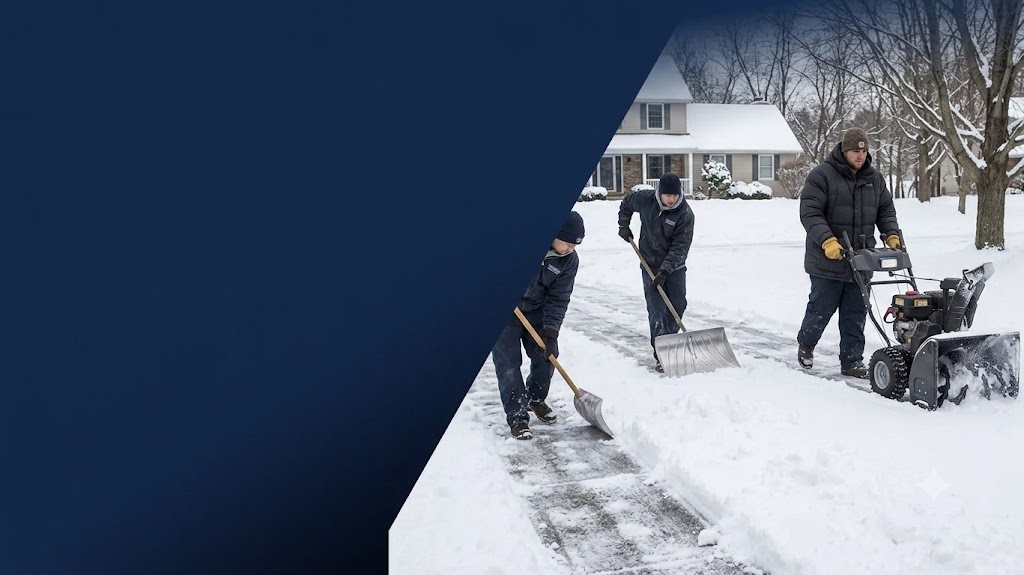
Professional snow removal teams can use equipment suited to the property’s size, surface, access points, and weather conditions. Depending on the service agreement, they may also provide repeat visits during a storm and targeted deicing.
Professional assistance is particularly useful if you have limited mobility, need dependable vehicle access, or cannot safely operate a snow blower or plow.
Consider professional service when:
- Snow accumulation is too deep for your available equipment.
- Wet snow has become heavy or compacted.
- The driveway has steep sections or difficult turning areas.
- Ice is making walking or driving unsafe.
- You have a large property or repeated storms to manage.
- You need snow cleared on a dependable schedule.
- You do not have a safe place to store plowed snow.
Best for: Large driveways, difficult conditions, recurring snow events, and homeowners who need a hands-off option.
Budget: Moderate and recurring, depending on the property’s size, snowfall, service frequency, and contract.
Driveway surface: An experienced provider can select an appropriate method for paved or gravel surfaces while accounting for landscaping, drainage, garage doors, and other property features.
Ware Landscaping offers professional snow removal services across its service areas. When a driveway becomes unsafe or difficult to manage, professional assistance can reduce the need to handle the problem yourself.
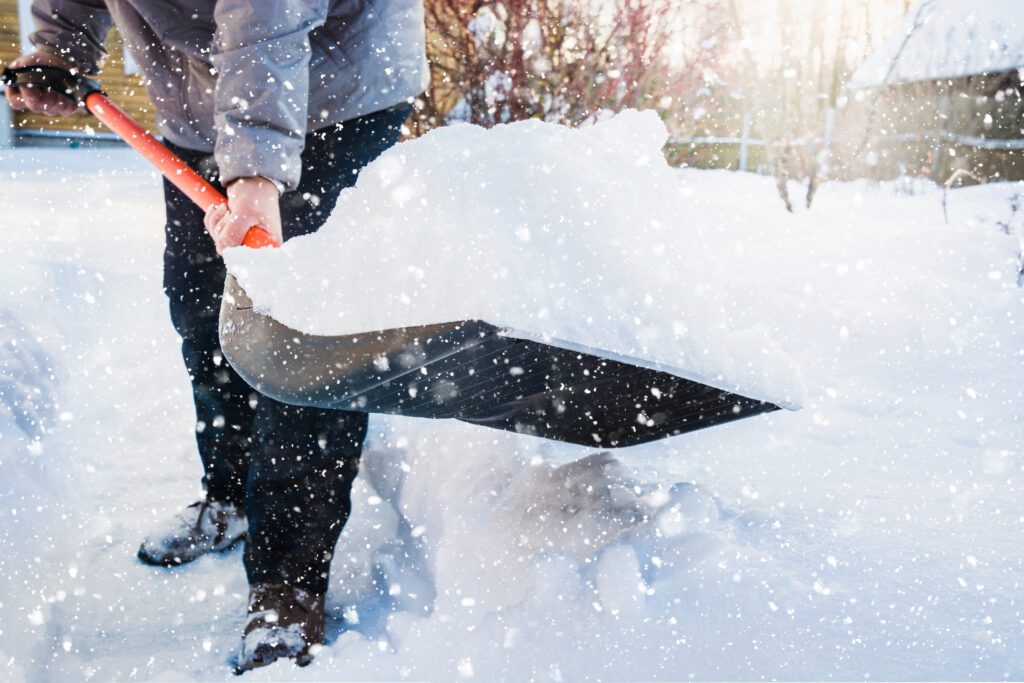
Which Snow Removal Method Is Best for Your Driveway?
The most effective choice depends on three factors: driveway surface, snow depth, and budget. The following comparison is a starting point rather than a guarantee of performance in every storm.
| Driveway surface | Light snow: up to about 2 inches | Moderate snow: about 2–6 inches | Deep snow: over about 6 inches |
| Concrete | Leaf blower or suitable snow blower | Snow blower; targeted deicer for remaining ice | Higher-capacity blower or professional plowing |
| Asphalt | Leaf blower or snow blower | Snow blower or appropriately adjusted plow | Suitable powered equipment or professional service |
| Gravel | Leaf blower for dry powder | Two-stage blower with adjusted skid shoes, or a properly set plow | Gravel-suitable equipment or professional service |
| Pavers | Leaf blower or suitable snow blower | Carefully adjusted snow blower; compatible deicer if needed | Suitable equipment with careful surface protection |
| Steep or frequently icy driveway | Preventive treatment and light-snow removal | Powered removal with careful traction management | Professional service is often the safer choice |
Snow depth is only one consideration. Wet snow can be significantly harder to move than the same depth of dry powder, while compacted snow and ice may require a different approach.
If You Have a Concrete Driveway
Concrete provides a firm surface for many snow blowers and plows, but its condition matters.
New, poorly cured, or vulnerable concrete may be more susceptible to damage from deicing chemicals and freeze-thaw exposure. Use only a deicer approved for the surface and avoid excessive application.
For light snowfall, a leaf blower may be enough. For deeper accumulation, use suitable powered equipment and treat any remaining ice with an appropriate product.
If You Have an Asphalt Driveway
Asphalt can generally be cleared using appropriate snow blowers or plows, provided the equipment is adjusted correctly.
Avoid aggressive scraping that could damage a deteriorated surface. If the asphalt is cracked or uneven, mark vulnerable areas before winter and use caution when operating equipment.
For routine snowfall, a snow blower is often practical. Larger driveways may benefit from suitable plowing equipment or professional service.
If You Have a Gravel Driveway
Gravel needs a different approach because aggressive clearing can remove the stones along with the snow.
A leaf blower is useful for dry, shallow powder because it avoids direct contact with the surface. For deeper snow, use a snow blower designed for gravel with its skid shoes adjusted to leave a thin protective layer. A plow can also work when fitted and adjusted appropriately, but a blade that digs into the driveway may scatter gravel into lawns or create uneven patches.
Avoid scraping every trace of snow off the stones. Using the right equipment and technique helps preserve the driveway and reduce spring repairs, especially when following the necessary recommendations.
If You Have a Paver Driveway
Pavers have joints that can be disturbed by poorly adjusted equipment or aggressive scraping. Use a suitable snow blower according to the manufacturer’s guidance, and avoid digging the machine into uneven joints.
Choose deicers compatible with the paver material and jointing system. Sand or suitable traction grit may help where melting is not necessary.
If Your Driveway Is Steep or Frequently Icy
A steep driveway presents a different challenge because snow removal is only part of the problem. You also need enough traction to walk and drive safely.
For light snow, preventive treatment may reduce bonding where conditions permit. After mechanical removal, use a compatible deicer or traction material on remaining slippery areas.
Do not attempt to drive up or down an icy slope simply because some snow has been removed. If you cannot clear the surface safely, professional snow removal may be the better option.
How to Choose by Budget
Not every homeowner needs to invest in a powered machine or permanent heating system. The right choice depends on how often it snows, the size of the driveway, and whether you already own suitable equipment.
| Budget level | Options to consider | Best suited to |
| Low | Existing leaf blower, suitable tarp, targeted deicer, traction grit | Small driveways and occasional light snow |
| Moderate | Battery-powered or electric snow blower, or a suitable gas-powered model | Regular residential snow removal |
| Higher | Larger snow blower, compatible plow attachment, or recurring professional service | Large driveways and frequent heavier snowfall |
| Major long-term investment | Heated driveway system | New construction or major driveway renovation |
The lowest purchase price is not always the lowest long-term cost. Equipment needs storage and maintenance, while professional services involve recurring charges. Heated systems require installation and ongoing energy use.
Compare the total cost with how often you expect to use the solution, rather than buying equipment based on one unusually heavy storm. The property’s size, the type of snow you usually experience, and the number of times you need clearing will all influence which option offers the best value.
For homeowners weighing the cost of recurring professional service against equipment ownership, Ware Landscaping’s snow removal service cost guide provides useful context for planning winter expenses.
Ice-Melt Safety: Protect People, Pets, Concrete, and Landscaping
Removing snow does not necessarily eliminate the risk of slipping. Thin ice can remain beneath the snow or form again when meltwater refreezes overnight.
Deicing products can help under suitable conditions, but they need to be selected and applied carefully.
Use the Right Product for the Temperature
Different deicers work at different temperatures. Rock salt becomes less effective as temperatures fall, while calcium chloride can remain effective in colder conditions when used according to its product specifications.
Check the label for the operating temperature range, recommended application rate, and surface restrictions. Using more product than recommended will not necessarily produce faster or better results.
Protect Concrete and Pavers
Deicing chemicals can contribute to the deterioration of some concrete surfaces, particularly when moisture, freezing, and thawing combine. Chloride-based salts can also affect metal and surrounding materials.
If your driveway is newly installed, damaged, or made from a sensitive material, consult the installer or manufacturer before using a deicer.
Removing most of the snow mechanically and then treating only the remaining icy areas can reduce the amount of chemical product required.
Protect Plants and Soil
Salt can move into planting beds through runoff and snow piles. It can damage roots, alter soil conditions, and injure foliage, particularly along driveway edges.
To reduce the risk:
- Remove as much snow as practical before applying deicer.
- Use the minimum amount required by the product label.
- Avoid piling salt-contaminated snow directly against shrubs and trees.
- Sweep up leftover granules when conditions allow.
- Direct runoff away from sensitive planting areas where possible.
Salt management is especially important around landscaped driveways, where repeated winter applications can affect lawns, shrubs, and soil near the pavement.
Consider Pets and Wildlife
Some deicers can irritate paws or cause harm if animals ingest them. No deicer should automatically be considered harmless simply because it is advertised as pet-friendly.
Follow the product label, keep pets away during application, store products securely, and wipe or rinse paws after exposure where appropriate.
Use Sand for Traction When Melting Is Not Necessary
Sand or another suitable traction grit can improve grip on icy patches without relying on chemical melting. It does not remove ice, so it should not be mistaken for a complete deicing solution.
Use a material appropriate for the surface and local conditions, and clean up excess grit when winter ends to reduce debris entering lawns and drainage systems.
Extra Tips for Driveway Snow Management
The method you choose is only part of an effective winter plan. A few preventive steps can reduce the amount of work needed and help avoid damage.
- Act early: Remove fresh snow before vehicle traffic compresses it into a harder layer. During a long storm, repeated clearing can be easier than waiting until all the snow has accumulated.
- Plan where snow will go: Choose storage areas that do not block sightlines, entrances, drains, or access to the street. Avoid piling snow where meltwater can run back across the driveway and refreeze.
- Mark driveway edges: Reflective stakes can identify borders, curbs, landscaping, and obstacles when snow hides the ground.
- Protect gravel: Keep snow-removal equipment at the appropriate height and avoid scraping the surface down to loose stones.
- Manage traction: Apply suitable traction grit or compatible deicer where needed, especially on slopes and frequently used walking routes.
- Check drainage: Clear accessible drains and ensure runoff has a safe route away from the driveway and building entrances.
- Keep equipment safe: Follow the operating manual, keep people and pets away from discharge areas, and never put your hands into a snow blower to remove a blockage.
- Avoid indoor engine operation: Never run a gas-powered snow blower in a garage or other enclosed space because of carbon monoxide risk.
- Prepare before winter: Arrange equipment servicing, confirm that your preferred contractor has availability, and stock appropriate deicing supplies before the first major storm.
A consistent plan is particularly helpful during extended snowfall. Following a few simple snow removal and winter maintenance practices can help prevent snow from compacting, reduce unnecessary deicer use, and make the driveway easier to manage throughout the season.
When Is Professional Snow Plowing Safer?
There are situations where trying another do-it-yourself method is not worth the risk.
Professional plowing or snow removal is worth considering when the driveway is too large for your equipment, snowfall is deep and heavy, the surface is steep or icy, or you cannot safely operate machinery.
It may also be the more dependable choice if you need access for work, medical appointments, deliveries, or other essential travel and cannot afford to wait for conditions to improve.
Consider professional help when:
- A storm has left deep, wet, or compacted snow.
- Your driveway has a steep grade or a history of dangerous ice.
- Snow has formed hard ridges at the street entrance.
- You have no safe place to push or store the accumulated snow.
- Your equipment is unsuitable for the surface or has stopped working.
- You have mobility limitations or concerns about the physical demands of clearing snow.
A professional provider can select suitable equipment, account for surface conditions, and establish a repeat-clearing plan when storms continue for several hours.
Ware Landscaping provides snow removal services for properties across its service areas. If you want help keeping your driveway accessible without handling every storm yourself, contact the team to discuss your property’s needs.
Why Choose Ware Landscaping?
Snow removal should not become a recurring source of stress every time the temperature drops. A well-planned approach can help keep your driveway usable, reduce slip hazards, and protect the surrounding landscape.
At Ware Landscaping, we understand the challenges of Midwest winters, from fresh snowfall and compacted tire tracks to recurring ice and restricted driveway access.
Our snow management services can help homeowners plan for winter conditions and choose an appropriate approach for their property. Whether you need regular driveway clearing, snow plowing, or help managing slippery areas, we can discuss a solution suited to your site and service requirements.
Our snow removal services are designed to help property owners manage winter accumulation and maintain access during the season.
Clearing Snow Without a Shovel Is Possible
You do not need to rely on manual shoveling to keep your driveway clear. A leaf blower can handle shallow, powdery snow, a suitable snow blower can manage regular accumulations, and properly adjusted plowing equipment can clear larger areas. Tarps and heated driveways may also have a role in the right circumstances.
The best method depends on your driveway surface, snow depth, budget, and safety needs. Gravel requires equipment that will not scatter stones, while concrete and pavers need careful surface protection. Steep or icy driveways may require professional help.
Use deicers selectively, protect nearby plants and pets, and avoid shortcuts such as pouring hot water over a snow-covered driveway. Above all, do not put yourself at risk trying to clear conditions that are beyond your abilities or equipment.
Don’t let winter wear you down. Contact Ware Landscaping today to discuss how professional snow removal can help keep your driveway safe, accessible, and manageable throughout the season.