

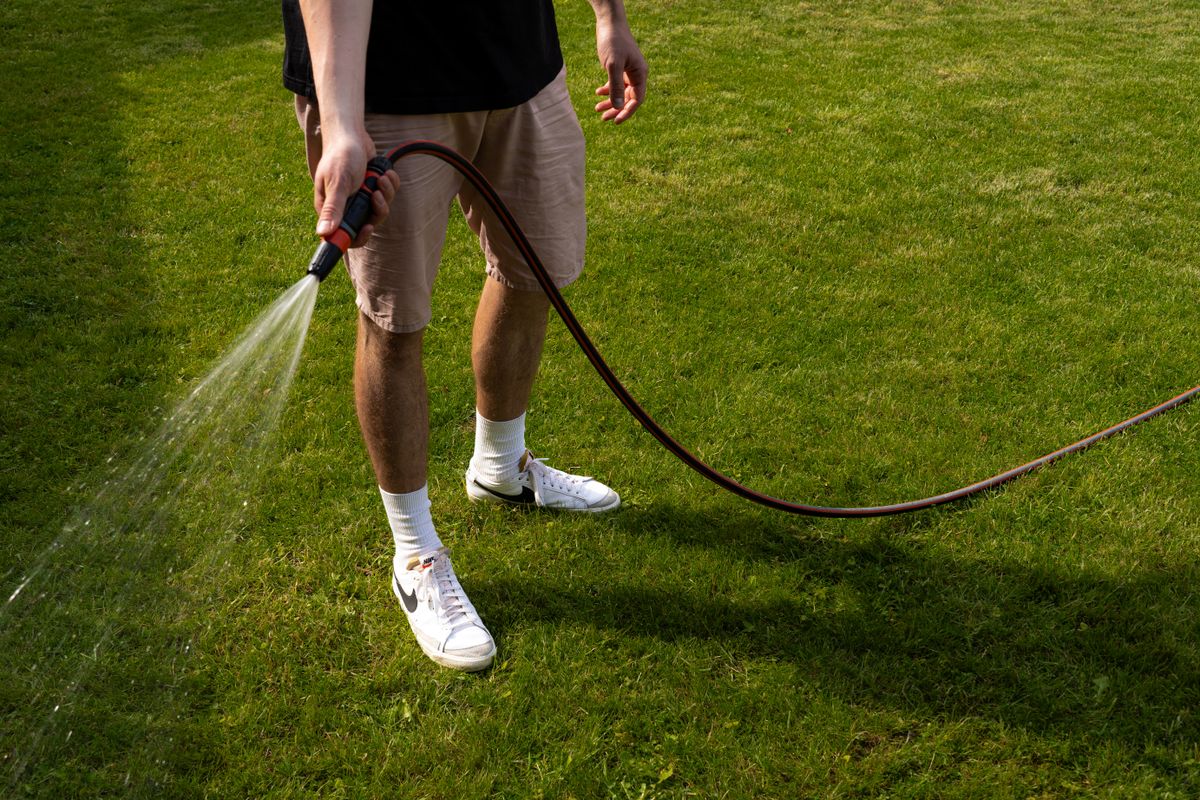
Fall Lawn Care ChecklistAfter summer heat, drought, foot traffic, and regular mowing, grass can enter fall thin, compacted, or stressed. Cooler temperatures and relatively warm soil create better conditions for root growth, lawn repair, and seed establishment.
A good fall lawn care checklist is not about completing every possible lawn task. It is about identifying what your lawn actually needs before winter arrives.
From mowing and leaf removal to aeration and overseeding, here are the main jobs to consider.
1. Assess the Lawn Before Doing Anything
Start by walking the property and looking for specific problems.
Check for:
- Thin or bare areas
- Compacted soil
- Standing water after rain
- Excessive thatch
- Broadleaf weeds
- Grub or insect damage
- Areas damaged by summer drought
- Heavy shade
- Poor drainage
This first step can prevent unnecessary work.
For example, a thin lawn caused by heavy shade will not necessarily improve simply because more grass seed is added. Likewise, grass growing in heavily compacted soil may need aeration before overseeding will provide good results.
Fall is a useful time to address the cause of lawn problems rather than only their appearance.
2. Continue Mowing While the Grass Is Growing
Do not stop mowing simply because summer is over.
Cool-season grasses commonly grown in Illinois can continue growing well into fall. Continue mowing as needed until growth slows and eventually stops.
Avoid removing more than one-third of the grass blade during a single mowing.
Throughout most of the growing season, mowing at an appropriate height helps the lawn maintain enough leaf area for photosynthesis and root development.
Toward the end of fall, grass should not be left excessively long and matted going into winter. Illinois Extension recommends continuing to mow until the lawn becomes dormant and notes that a final height of around two inches can help reduce certain winter problems.
The final mowing date will depend more on weather and growth than the calendar.
3. Aerate Compacted Areas
Fall is a good time to address compacted soil.
Soil gradually becomes compressed by foot traffic, mowing equipment, pets, rainfall, and normal lawn use. Heavy clay soils can be particularly prone to compaction.
Core aeration removes small plugs of soil, creating openings that help water, oxygen, and nutrients move into the root zone.
Signs that aeration may be useful include:
- Hard soil
- Water running off rather than soaking in
- Thin turf in high-traffic areas
- Poor drainage
- Difficulty pushing a screwdriver several inches into moist soil
Early fall is particularly suitable for aerating cool-season lawns because the grass is actively growing and can recover afterward.
If compaction appears to be a significant issue, this guide to lawn aeration and when to do it explains the process in more detail.
4. Overseed Thin or Bare Areas
Fall is also one of the better times to establish cool-season grass seed.
Soil remains warm enough for germination while cooler air reduces some of the heat stress seedlings experience during summer.
In northern Illinois, the strongest seeding window generally begins in late summer and extends into early fall. Waiting too long can leave new grass without enough time to establish before freezing conditions.
Before overseeding:
- Remove loose debris.
- Loosen compacted soil where necessary.
- Choose seed appropriate for sun or shade.
- Create good seed-to-soil contact.
- Keep the seed consistently moist during germination.
Aerating before overseeding can help because the openings create additional opportunities for seed to contact soil.
For severely thin lawns, this step-by-step guide explains how to reseed a lawn and establish new grass.
5. Fertilize Based on the Lawn’s Needs
Fall is an important feeding period for cool-season turf.
Grass is actively developing roots and storing energy as temperatures decline. Illinois Extension recommends fall as a key fertilization period and notes that, for lawns receiving only one fertilizer application per year, fall is generally preferable.
That does not mean more fertilizer is always better.
Apply fertilizer according to the product label and the needs of the lawn. Avoid excessive nitrogen, particularly as winter approaches.
A soil test can provide more specific information about soil pH and nutrient levels if the lawn has persistent problems.
Newly seeded areas may also require different fertilizer choices from established turf, so consider the condition of the lawn before applying a general treatment.
6. Manage Fall Leaves
A few leaves scattered over a lawn are not a major problem.
A thick layer is.
Heavy leaf coverage can block light, trap moisture, and mat the grass. Leaving dense piles on the lawn through winter can also create conditions that favor turf diseases.
When leaf coverage is light to moderate, mowing over dry leaves can shred them into small pieces that settle into the lawn and gradually decompose.
Illinois Extension recommends mulching leaves when practical because the material can return organic matter and nutrients to the soil.
When leaves become too thick to mulch effectively, remove the excess.
Properties with mature trees may require several cleanups rather than waiting until every leaf has fallen. A more detailed overview of fall lawn cleanup covers leaf removal and other seasonal cleanup tasks.
7. Control Perennial Weeds Where Necessary
Fall can be an effective time to address perennial broadleaf weeds such as dandelions and creeping Charlie.
During fall, many perennial weeds are moving carbohydrates toward their roots for winter storage. Systemic herbicides applied at the appropriate time can move through the plant along with those carbohydrates.
Chemical control is not always necessary.
Small populations can sometimes be removed manually, especially when the soil is moist enough to remove most of the root.
If an herbicide is used, follow the product label carefully and avoid treating areas where recently planted grass could be affected.
The longer-term goal should be maintaining dense turf that leaves less open space for weeds to establish.
8. Keep Watering During Dry Weather
Cooler temperatures do not necessarily mean the lawn no longer needs water.
Fall can still bring periods of dry weather, and actively growing turf benefits from adequate soil moisture.
For established lawns, deeper and less frequent watering generally encourages roots to grow farther into the soil.
Newly overseeded areas require a different approach. The surface needs to remain consistently moist while seed is germinating. Once seedlings become established, watering can gradually shift toward deeper and less frequent applications.
Continue monitoring conditions until the grass becomes dormant.
9. Remove Excessive Thatch Only When Necessary
Thatch is the layer of stems, roots, and other organic material between green grass and the soil.
Some thatch is normal.
A layer below roughly half an inch can provide insulation and cushioning. Problems are more likely when the layer becomes excessively thick and interferes with movement of water and air.
Do not aggressively dethatch a healthy lawn simply because it is fall.
Core aeration can often help manage moderate thatch while also addressing soil compaction. Mechanical dethatching is more disruptive and is usually better reserved for lawns where excessive thatch has actually been confirmed.
10. Finish With a General Cleanup
Before winter, remove anything that could remain matted over the grass for months.
This includes:
- Thick piles of leaves
- Fallen branches
- Lawn furniture left on turf
- Toys and equipment
- Excess grass clippings
- Other heavy debris
Illinois Extension identifies excessive leaves, thatch, poor drainage, and overly tall grass as conditions that can contribute to winter lawn problems such as snow mold.
Also clean and store lawn equipment once mowing has finished for the season. Sharpening mower blades, removing old grass buildup, and completing routine maintenance now can make spring startup easier.
A Simple Fall Lawn Care Checklist
Before winter arrives, review these tasks:
- Inspect the lawn for underlying problems
- Continue mowing until growth stops
- Core aerate compacted soil if needed
- Overseed thin or bare areas early enough to establish
- Fertilize according to lawn needs
- Mulch or remove heavy leaf coverage
- Address perennial weeds where necessary
- Continue watering during dry periods
- Check for excessive thatch
- Remove debris before winter
Not every lawn will require every step.
The most effective fall lawn care comes from looking at soil conditions, grass health, weather, and existing problems before deciding what work is necessary.
Completing the right tasks during fall can help cool-season turf develop stronger roots, recover from summer stress, and enter winter in better condition for growth the following spring.