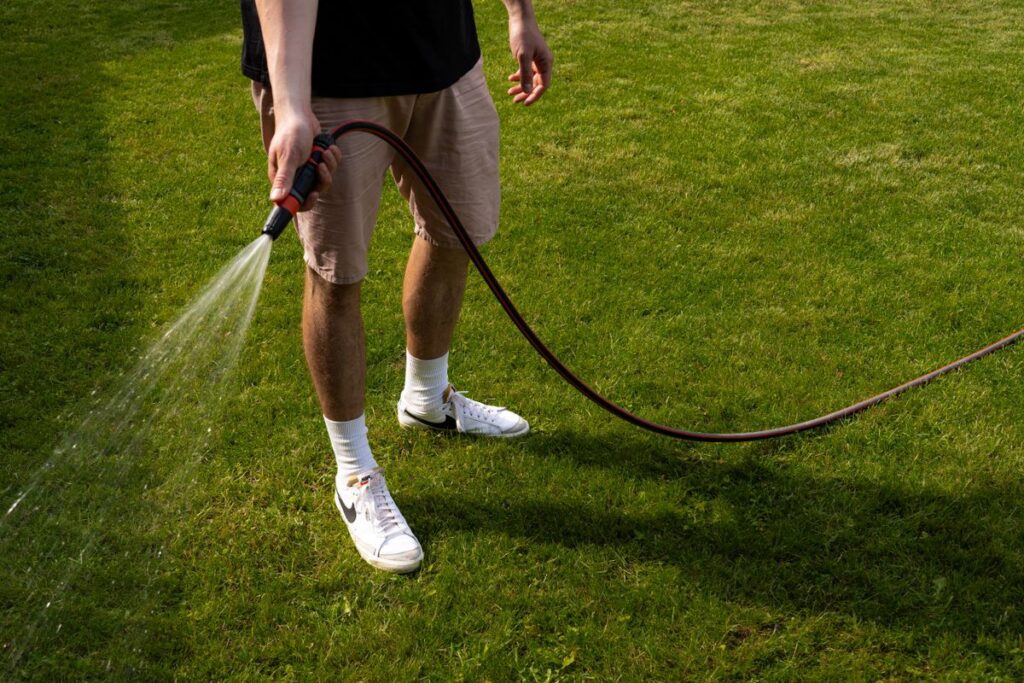

A lush, vibrant lawn is more than just a source of pride—it is the foundation of your home’s curb appeal. However, even the most well-tended grass can become thin, patchy, or stressed over time. Reseeding (or renovating) your lawn is the most effective way to introduce new, resilient grass varieties that can stand up to weeds, drought, and heavy foot traffic.
Whether you are looking to thicken an existing yard through overseeding or performing a full renovation, this guide covers everything you need to know about reseeding your lawn like a professional.
Why Reseed Your Lawn?
Over time, individual grass plants age and their reproduction rate slows down. By reseeding, you:
- Fill in bare spots: Prevent weeds from taking root in empty patches.
- Improve density: A thicker lawn naturally chokes out crabgrass and clover.
- Enhance resilience: Newer grass cultivars are often more resistant to local pests and diseases.
- Boost curb appeal: Nothing beats the deep green of a freshly renovated lawn.
Don't Waste Your Money on a Patchy Lawn
Reseeding is a science, not a hobby. Without the right soil prep and seed-to-soil contact, your investment will just feed the birds. Get a professional-grade aeration and overseeding service that is guaranteed to take root and stay green.
Get a Free QuoteTiming Your Reseed by US Region
In the United States, your success depends heavily on the “when.” Grasses are categorized into cool-season and warm-season varieties, and each has a specific growth window.
1. Cool-Season Grasses (North, Midwest, Northeast, Pacific Northwest)
- Examples: Kentucky Bluegrass, Tall Fescue, Perennial Ryegrass.
- Best Time: Late summer to early fall (mid-August to early October).
- Why: The soil is still warm from summer, but the cooler air reduces heat stress on new seedlings. You want at least 45 days before the first hard frost.
- Secondary Option: Early spring (March–May), though you will face more competition from spring weeds.
2. Warm-Season Grasses (South and Southwest)
- Examples: Bermuda, Zoysia, Centipede, St. Augustine.
- Best Time: Late spring to early summer (mid-May to July).
- Why: These grasses thrive when soil temperatures consistently hit 65–70°F. They need the summer heat to establish deep root systems.
3. The Transition Zone
If you live in states like Virginia, Kentucky, or Missouri, you can often choose between both. However, fall overseeding with cool-season mixes is generally the most reliable method for homeowners in this region.
Step 1: Choosing the Right Seed
Don’t grab the first bag you see at the big-box store. Match your seed to your specific environment:
| Goal | Recommended Seed Type |
| High Traffic / Kids & Pets | Tall Fescue or Bermuda |
| Deep Shade | Fine Fescue Mixes |
| Full Sun / Heat Tolerance | Zoysia or Kentucky Bluegrass |
| Fast Results | Perennial Ryegrass |
Pro Tip: Look for “regionally adapted” blends. These are specifically mixed to handle the unique climate challenges of your specific US state.
Step 2: Prepare the Canvas
You can’t just throw seed on top of dead grass and expect results. You need seed-to-soil contact.
- Mow Low: Set your mower to its lowest setting (1.5–2 inches). This allows sunlight and seed to reach the ground.
- Dethatch and Rake: Remove the layer of dead grass and debris (thatch) that sits above the soil.
- Aerate (Crucial): If your soil is hard or compacted, use a core aerator. This creates holes that allow water, air, and seeds to penetrate deep into the earth.
- Soil Testing: If your lawn has struggled for years, your pH might be off. Most grasses prefer a pH of 6.0 to 7.0. You can get a test kit at a local garden center or through your university extension office.
Step 3: Spreading the Seed and Fertilizer
The Seeding Process
Use a broadcast or drop spreader for even coverage.
- For Overseeding: Follow the “overseeding rate” on the bag (usually lower).
- For New Lawns: Follow the “new lawn” rate (significantly higher).
- Pattern: Walk in two perpendicular passes (North-South, then East-West) to ensure no bare spots are left behind.
The Starter Fertilizer
Apply a Starter Fertilizer immediately after seeding. Unlike regular fertilizer, starter formulas are high in phosphorus, which is essential for rapid root development.
- Warning: Avoid “Weed and Feed” products during reseeding, as the pre-emergents will kill your new grass seeds before they sprout.
Step 4: The Watering Schedule
This is where most DIY projects fail. New seeds must stay moist—not soaked—at all times.
- Weeks 1-2: Lightly water 2–4 times a day for 5–10 minutes. The goal is to keep the top inch of soil consistently damp.
- Weeks 3-4: Once the grass is an inch tall, transition to deeper, less frequent watering (once a day).
- Week 5+: Gradually move to a standard schedule of 1 inch of water per week.
Common Mistakes to Avoid
- Wrong Timing: Planting cool-season grass in the heat of July will likely result in “damping off” or seedling death.
- Ignoring the Birds: If birds are feasting on your seed, consider a very light top-dressing of peat moss or straw mulch.
- Mowing Too Soon: Wait until the new grass is at least 3 inches tall before its first haircut. Ensure your mower blades are sharp to avoid pulling the young roots out of the ground.
When to Call the Professionals
While reseeding is a rewarding DIY project, large properties or heavily damaged lawns often require professional equipment and expertise.
Don't Waste Your Money on a Patchy Lawn
Reseeding is a science, not a hobby. Without the right soil prep and seed-to-soil contact, your investment will just feed the birds. Get a professional-grade aeration and overseeding service that is guaranteed to take root and stay green.
Get a Free QuoteAt Ware Landscaping, we provide comprehensive lawn renovation services, from professional core aeration and soil amendment to high-grade mechanical seeding. If your lawn needs a complete transformation without the weekend-long labor, we are here to help.
Ready for a thicker, greener lawn?
[Contact Ware Landscaping today for a professional consultation and quote.]
Summary Checklist In Reseeding Your Lawn
- [ ] Identify your grass type (Cool vs. Warm season).
- [ ] Buy high-quality, regionally adapted seed.
- [ ] Mow low and aerate the soil.
- [ ] Spread seed and starter fertilizer.
- [ ] Water consistently (don’t let it dry out!).
- [ ] Wait until 3 inches tall to mow.