

Every parent knows the struggle of helping their baby fall asleep and stay asleep through the night. The gentle hum of a fan, the soft patter of rain, or the rhythmic whoosh of white noise can transform a restless infant into a peacefully sleeping angel. A baby sound machine has become an essential tool in modern nurseries, offering scientifically-backed acoustic environments that promote better sleep patterns for infants and toddlers. These devices create consistent, soothing soundscapes that mask disruptive household noises, help babies self-soothe, and establish healthy sleep associations that can benefit the entire family. Whether you’re a new parent or looking to improve your little one’s sleep routine, understanding how these devices work and what features matter most can make all the difference in creating a calming bedtime atmosphere.

Why Sound Machines Work for Babies
The science behind baby sound machines is rooted in how infants experience the world. For nine months, babies develop in the womb surrounded by constant noise—the rhythmic beating of their mother’s heart, the whooshing of blood flow, and muffled external sounds create a surprisingly loud environment. The womb measures around 85 decibels, comparable to the noise level of a busy street. When babies are born, the sudden silence of the outside world can actually feel unsettling and unfamiliar.
Sound machines recreate this comforting acoustic environment by providing consistent auditory input that mimics the womb experience. White noise, pink noise, and nature sounds work by creating a blanket of sound that masks sudden noises that might startle a sleeping baby. When a door slams or a dog barks, the sound machine ensures these disruptions blend into the background rather than jolting your baby awake. This consistent acoustic environment helps babies transition between sleep cycles more smoothly, leading to longer stretches of uninterrupted rest.
 Additionally, sound machines help create positive sleep associations. When used consistently as part of a bedtime routine, the familiar sounds signal to your baby that it’s time to sleep. This Pavlovian response becomes stronger over time, making the transition to sleep easier and more predictable. Many parents find that their babies begin to relax as soon as they hear the sound machine turn on, having learned to associate those sounds with comfort and rest.
Choosing the Right Features
Not all baby sound machines are created equal, and selecting the right one depends on your specific needs and nursery setup. When exploring options for a baby sound machine, consider these essential features that separate basic devices from truly effective sleep solutions.
 Volume control is paramount. The American Academy of Pediatrics recommends keeping sound machines at or below 50 decibels and placing them at least seven feet away from your baby’s crib. Look for devices with precise volume adjustment rather than just low, medium, and high settings. This allows you to find the perfect level that soothes without overwhelming sensitive ears.
Sound variety matters for different sleep scenarios. While white noise is popular, some babies respond better to pink noise, brown noise, or nature sounds like rain, ocean waves, or heartbeat rhythms. Having multiple options lets you experiment to find what works best for your child. As babies grow, their preferences may change, so versatility ensures your investment continues to provide value.
Continuous play versus timer settings is another consideration. Many experts recommend continuous play throughout the night to maintain that consistent acoustic environment. However, timer options can be useful for naps or for parents who prefer the machine to shut off once the baby is deeply asleep. The best machines offer both continuous operation and multiple timer settings.
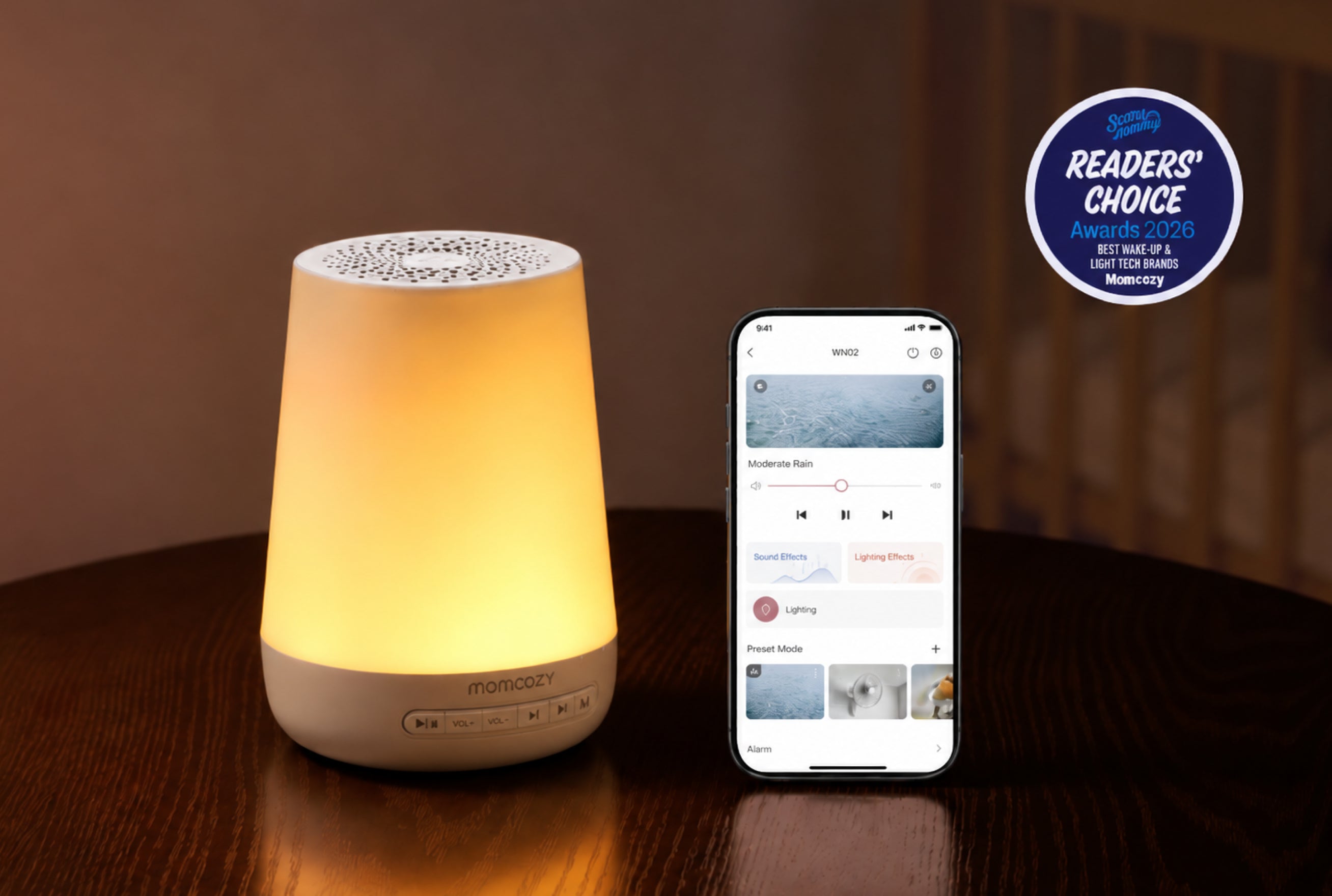 Portability is essential for families on the go. Compact, battery-operated models or those with rechargeable batteries allow you to maintain your baby’s sleep routine during travel, at grandparents’ houses, or even in the car. Some modern designs are specifically crafted for portability, featuring clip-on attachments for strollers or car seats, ensuring your baby’s soothing sounds travel wherever you go.
Safety Considerations and Best Practices
While baby sound machines are generally safe, following proper guidelines ensures you’re using them in a way that protects your child’s developing hearing and promotes healthy sleep habits. The key is moderation and proper placement.
Distance and volume work together to create a safe acoustic environment. Place the sound machine across the room from your baby’s crib, not directly beside their head. This reduces the risk of excessive noise exposure while still providing adequate sound masking. Test the volume from your baby’s sleeping position—it should be audible and soothing but not overwhelming. If you need to raise your voice to be heard over the machine, it’s too loud.
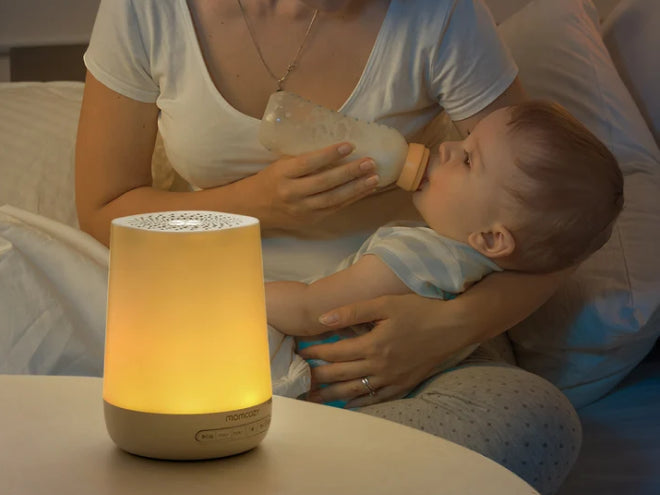 Avoid dependency concerns by using the sound machine as part of a comprehensive sleep routine rather than the sole sleep cue. Combine it with other elements like dim lighting, consistent bedtimes, and calming pre-sleep activities. This multi-faceted approach helps your baby develop multiple sleep associations rather than becoming solely dependent on one tool.
Quality matters when it comes to electronics in the nursery. Choose devices from reputable manufacturers like Momcozy that prioritize safety standards and use non-looping, high-quality sound recordings. Looping sounds with noticeable breaks can actually disrupt sleep rather than promote it. Look for machines that use true white noise generation or seamlessly looping tracks.
Integrating Sound Machines into Your Sleep Routine
The most effective use of a baby sound machine comes from consistent integration into your overall sleep strategy. Start using the machine from day one if possible, as newborns often respond positively to womb-like sounds immediately. However, it’s never too late to introduce one—even older babies and toddlers can benefit from the soothing acoustic environment.
Establish a predictable routine by turning on the sound machine at the same point in your bedtime sequence each night. This might be after the bath, during the final feeding, or right as you place your baby in the crib. Consistency helps strengthen the sleep association, training your baby’s brain to recognize the sound as a cue for rest.
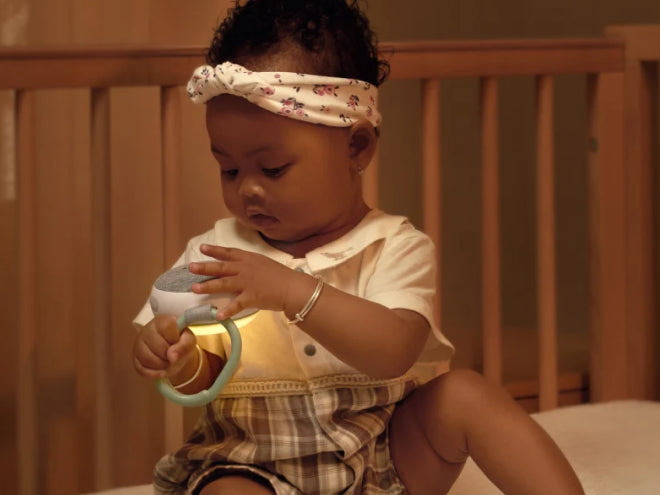 Don’t limit sound machine use to just nighttime sleep. Naps benefit equally from the consistent acoustic environment, especially if your home is busier during the day. Using the same sounds for naps and nighttime sleep reinforces the sleep association and can help your baby transition to daytime rest more easily despite household activity.
As your child grows, you may need to adjust your approach. Some toddlers continue to benefit from sound machines well into early childhood, while others naturally outgrow the need. Pay attention to your child’s cues and be willing to experiment with different sounds or gradually reducing usage if appropriate. The goal is supporting healthy, independent sleep skills rather than creating permanent dependency.
Creating the Perfect Sleep Environment
Remember that a sound machine is just one element of optimal sleep conditions for your baby. The acoustic environment works best when combined with other sleep-promoting factors. Room temperature should stay between 68-72 degrees Fahrenheit, with appropriately layered sleepwear to prevent overheating. Darkness is equally important—blackout curtains or shades help regulate your baby’s circadian rhythm by blocking disruptive light.
The sleep surface itself matters tremendously. A firm, flat crib mattress with a fitted sheet and no loose bedding, pillows, or toys creates a safe sleep space that works in harmony with your sound machine. This comprehensive approach to sleep safety and comfort gives your baby the best possible foundation for restorative rest.
Consider the broader household noise patterns when deciding how to use your sound machine. If you live in a particularly noisy environment—near a busy street, with thin apartment walls, or in a home with older children—you might opt for slightly higher volume levels within safe parameters. Conversely, in a naturally quiet home, lower volumes may suffice while still providing the consistency babies crave.
Supporting Your Baby’s Sleep Journey
Investing in a quality baby sound machine represents more than just purchasing another piece of nursery equipment—it’s a commitment to supporting your baby’s healthy sleep development and, by extension, your entire family’s wellbeing. Well-rested babies are happier, more alert during wake times, and better able to reach developmental milestones. Well-rested parents have more patience, energy, and emotional reserves for the demanding work of raising children.
The benefits extend beyond infancy as well. Many families find that sound machines remain valuable tools throughout early childhood, helping with the transition to toddler beds, providing comfort during illness or teething, and creating calm environments for quiet time even when children have outgrown naps. The initial investment pays dividends for years, making it one of the most cost-effective nursery purchases you’ll make.
As you navigate the world of baby sleep solutions, remember that every child is unique. What works perfectly for one baby might need adjustment for another. The key is patience, consistency, and willingness to adapt as you learn your baby’s individual preferences and needs. A sound machine provides a solid foundation, but your attentive responsiveness completes the picture of truly supportive sleep practices.
With the right approach, that gentle hum of white noise or soft rainfall can become the backdrop to thousands of peaceful nights, helping your baby develop the healthy sleep patterns that will serve them throughout their childhood and beyond.