

Concrete installation is one of the most practical investments homeowners can make to improve their property’s appearance, functionality, and long-term value. Whether you’re planning a new driveway, backyard patio, sidewalk, or outdoor living space, professionally installed concrete provides a durable and attractive surface that can withstand years of regular use.
Understanding the concrete installation process, available options, and maintenance requirements can help homeowners make informed decisions when planning their next improvement project.
Benefits of Residential Concrete Installation
Concrete is a popular construction material because of its strength, versatility, and relatively low maintenance requirements. Unlike some other outdoor materials, properly installed concrete can withstand heavy foot traffic, vehicles, changing weather conditions, and everyday wear.
One significant advantage is longevity. A well-constructed concrete driveway or patio can last 25 to 30 years or longer with appropriate maintenance. Concrete also offers design flexibility, allowing homeowners to choose different finishes, colors, textures, and decorative patterns.
Additionally, concrete surfaces can improve accessibility and create a cleaner, more organized appearance around residential properties.
Popular Concrete Installation Projects for Homeowners
Concrete Driveways
A new concrete driveway can significantly improve a home’s curb appeal while providing a dependable surface for parking vehicles. Homeowners can select traditional broom-finished concrete or explore decorative finishes that complement their property’s architectural style.
Proper driveway installation requires careful attention to soil preparation, drainage, reinforcement, and concrete thickness. These factors help prevent premature cracking and settlement.
Concrete Patios
Concrete patios create comfortable outdoor spaces for entertaining guests, grilling, dining, and relaxing with family members. Their versatility allows homeowners to customize patio layouts to accommodate furniture, fire pits, and other outdoor features.
Stamped concrete can also imitate the appearance of natural stone, brick, or pavers while maintaining the benefits of a continuous concrete surface.
Sidewalks and Walkways
Residential concrete walkways improve accessibility and provide safe, convenient routes between driveways, entrances, gardens, and backyard spaces.
Professionally installed sidewalks should incorporate appropriate slopes and drainage considerations to minimize standing water and reduce potential tripping hazards.
Garage Floors and Concrete Slabs
Concrete slabs provide stable foundations for garages, sheds, workshops, and outdoor equipment. Proper preparation and installation are especially important when slabs must support substantial weight or withstand repeated vehicle traffic.
Understanding the Concrete Installation Process
Successful concrete installation involves several important steps that contribute to the finished surface’s durability and appearance.
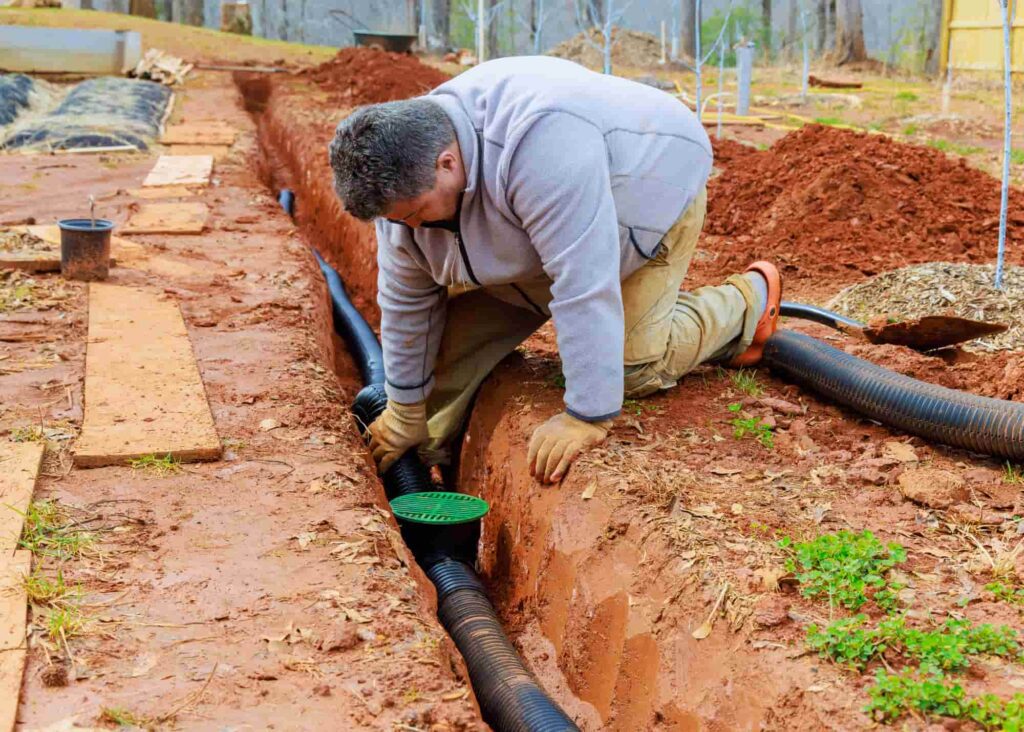
Site preparation: Contractors begin by evaluating the installation area, removing unsuitable materials, and excavating to the required depth. Proper grading establishes a stable foundation and directs water away from structures.
Base installation: A compacted aggregate base may be installed to improve support and drainage, depending on soil conditions and project specifications.
Forming and reinforcement: Forms establish the concrete’s shape and dimensions. Steel reinforcement or other approved reinforcement methods may be incorporated according to structural requirements.
Concrete placement: Fresh concrete is poured, distributed evenly, and consolidated as necessary to eliminate significant voids.
Finishing: Contractors smooth and texture the surface according to the desired appearance and intended use. Control joints are also installed to help manage shrinkage cracking.
Curing: Proper curing allows concrete to develop strength and durability. Contractors should provide instructions regarding foot traffic, vehicle use, and ongoing protection.
Factors That Affect Concrete Installation Costs
Residential concrete installation prices vary depending on project size, site accessibility, material specifications, and design complexity.
Standard concrete surfaces generally cost less than decorative installations requiring stamping, coloring, or specialized finishes. Additional expenses may include demolition of existing pavement, excavation, drainage improvements, and reinforcement.
Homeowners planning concrete installation Indianapolis projects should request detailed written estimates that explain preparation requirements, concrete specifications, finishing methods, and project timelines.
Comparing multiple contractors helps ensure that pricing reflects appropriate workmanship rather than simply the lowest initial bid.
Maintaining Your New Concrete Surfaces
Routine maintenance helps protect residential concrete from unnecessary deterioration.
Homeowners should periodically remove dirt, leaves, and debris while addressing stains before they become difficult to clean. Applying a suitable concrete sealer when recommended can provide additional protection against moisture penetration and surface staining.
In colder climates, avoiding harsh deicing chemicals during the concrete’s first winter is particularly important. Keeping drainage systems clear also reduces prolonged water exposure and potential freeze-thaw damage.
Choosing a Professional Concrete Installation Contractor
Selecting an experienced concrete contractor is essential for achieving dependable results. Homeowners should evaluate previous projects, customer reviews, insurance coverage, and familiarity with local construction conditions.
A qualified contractor should explain the installation process, recommend suitable materials, and provide clear expectations regarding scheduling and curing.
Professional concrete installation can transform ordinary residential spaces into attractive, functional areas that serve homeowners for decades. With thoughtful planning, quality materials, and experienced workmanship, a new concrete driveway, patio, or walkway becomes a lasting improvement that enhances both everyday convenience and property appeal.