
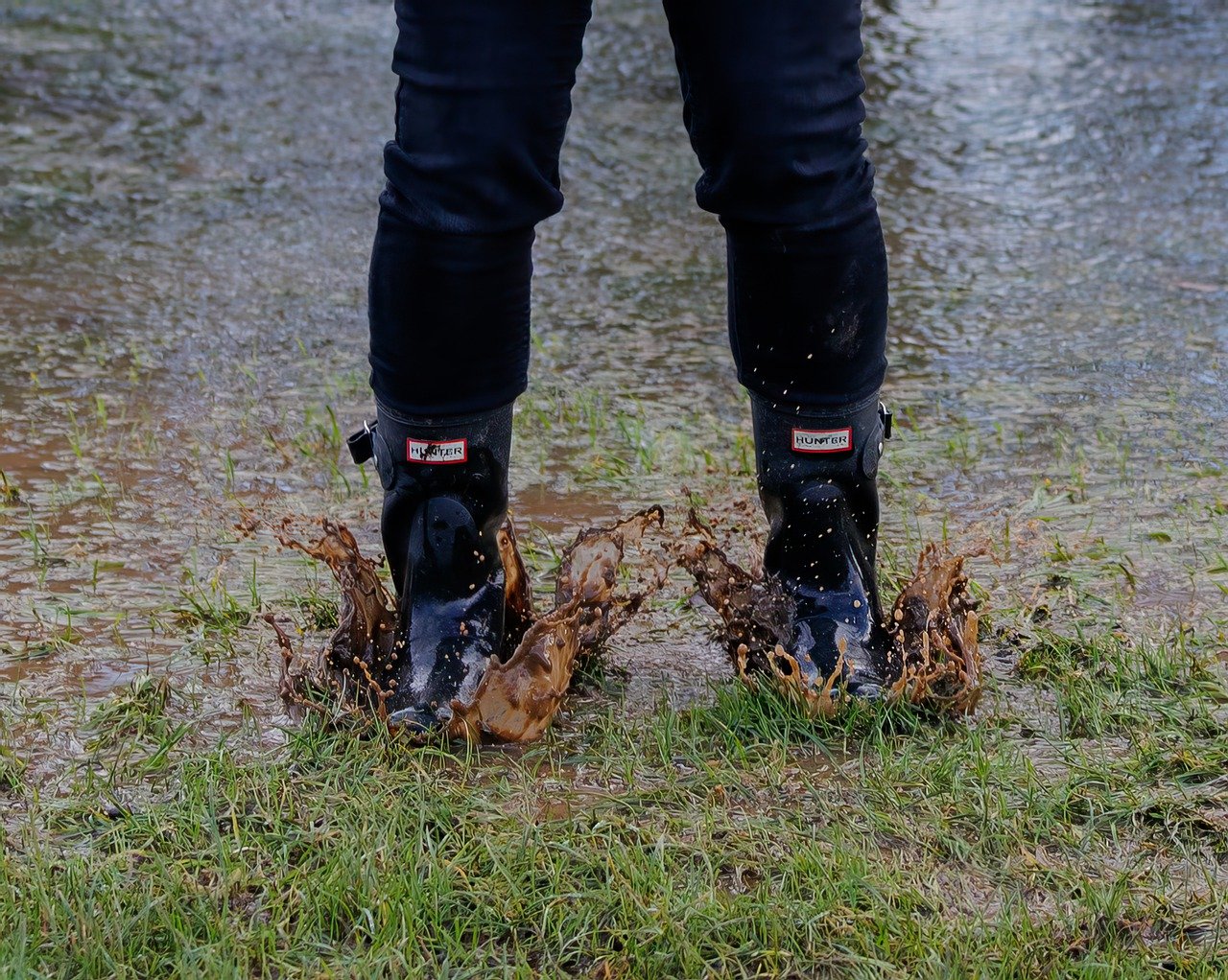
Standing water—those stubborn puddles that linger for days after a storm—is one of the most common and frustrating issues for homeowners across the United States. Whether you are dealing with the heavy clay of the Midwest, the tropical downpours of the Southeast, or the quick-thaw cycles of the North, water that refuses to drain is more than just a nuisance. It is a signal that your property’s natural drainage system is failing.
Understanding why water pools and how to address it is essential for protecting your health, your home’s value, and the local environment. This guide explores the causes of standing water and provides a roadmap for solutions ranging from simple afternoon DIY projects to long-term professional installations.
Why Does Water Pool in Your Yard?
In most US residential areas, standing water is caused by a combination of five primary factors:
- Poor Yard Grading: If your yard doesn’t have a gentle slope (ideally to ) away from your home, gravity will pull water toward your foundation or into low-lying “basins” in the lawn.
- Compacted or Clay-Heavy Soils: Regions like the Midwest and parts of Texas are known for “heavy” soil. These soils have tiny pores that don’t allow water to soak in quickly, leading to surface pooling.
- Impervious Surfaces: As we add patios, driveways, and home extensions, we reduce the amount of “soakable” ground. This forces more water into smaller patches of grass, often overwhelming them.
- Clogged or Short Downspouts: If your gutters are full of leaves or your downspouts drop water right at the base of your house, you are essentially creating your own flood zone.
- High Water Tables: In some low-lying or coastal regions, the ground is already saturated from below, leaving nowhere for rainwater to go.
Stop Letting Your Backyard Drown
Standing water is a breeding ground for mosquitoes and a direct threat to your home's foundation. Don't wait for the next storm to turn your yard into a swamp—get a professional, engineered drainage system that carries water safely away forever.
Get a Free QuoteThe Risks of Ignoring Standing Water
Many homeowners wait until a basement leak occurs to take action, but the risks of standing water start much sooner.
Health Risks and Mosquitoes
Standing water is the primary breeding ground for mosquitoes. Across the US, health departments warn that even a tablespoon of water sitting for a few days can support hundreds of larvae. These mosquitoes can carry West Nile virus, Zika, and dengue. Removing standing water is the single most effective way to protect your family from these pests.
Property Damage
Water is the enemy of a home’s foundation. Constant moisture can cause soil to expand and contract, leading to foundation cracks, bowing walls, and basement flooding. Furthermore, standing water eventually kills grass and ornamental plants by “drowning” the roots, leading to unsightly bare patches and soil erosion.
Environmental Impact
The EPA’s “Soak Up the Rain” program highlights how excess runoff carries pollutants—like fertilizers, oil, and pet waste—directly into storm drains and local waterways. Managing water on your own property helps keep local rivers and lakes clean.
Quick DIY Fixes (Low-Cost Solutions)
If your drainage issues are mild, start with these low-cost interventions:
- Redirect Your Downspouts: This is the “low-hanging fruit” of drainage. Ensure your downspouts extend at least to feet away from your foundation. You can use simple plastic extensions or bury them for a cleaner look.
- Aerate and Amend Your Soil: Use a core aerator to pull small “plugs” of soil out of the ground. This reduces compaction and allows water to reach deeper levels. Mixing in organic compost can also improve the “sponginess” of your lawn.
- Fill Low Spots: If you have a specific “bowl” in your yard, you can often fix it by adding a mixture of topsoil and sand, leveling it out, and re-seeding the area.
Effective Long-Term Solutions
For persistent or severe puddling, you may need to invest in a more robust system.
1. French Drains
A French drain is a classic subsurface solution. It involves digging a trench, lining it with fabric, and laying a perforated pipe surrounded by gravel. It is highly effective for “wicking” water away from foundation walls or soggy lawn areas.
- Estimated Cost: Professional installs typically range from to nationally, depending on the length.
2. Rain Gardens
A rain garden is a beautiful, EPA-recommended solution. It is a shallow, planted depression that uses native plants to capture and soak up runoff.
- Why it works: Native plants have deep root systems (sometimes reaching feet deep) that create channels for water to enter the ground. They also provide vital habitat for pollinators.
- Estimated Cost: Often DIY-friendly, with costs as low as to per square foot for plants and soil amendments.
3. Dry Wells and Swales
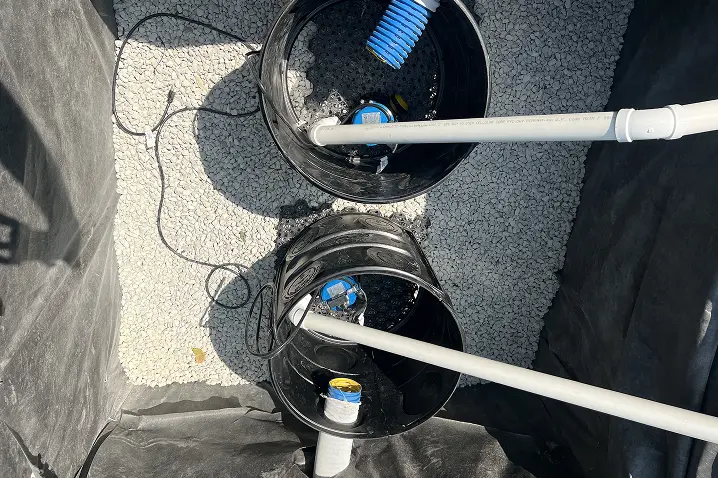
Dry wells act as underground storage tanks that slowly release water into the aquifer. Swales are “dry creeks” or grass channels that guide water safely across the surface of your yard to a better discharge point.
US-Specific Tips and Next Steps
- Call 811 Before You Dig: This is mandatory nationwide. Before you start a French drain or rain garden, you must have your utility lines marked to avoid hitting gas or electric lines.
- Contact Your Local Cooperative Extension: Every state has a land-grant university (like Ohio State, Texas A&M, or Cornell) with an extension service. They offer cheap soil tests and lists of native plants specifically suited for your local climate.
- Check Local Ordinances: Most cities have “drainage easements.” Always ensure you aren’t diverting your water onto a neighbor’s property, which can lead to legal disputes or fines.
Stop Letting Your Backyard Drown
Standing water is a breeding ground for mosquitoes and a direct threat to your home's foundation. Don't wait for the next storm to turn your yard into a swamp—get a professional, engineered drainage system that carries water safely away forever.
Get a Free QuoteBy taking a proactive approach to your yard’s drainage, you are doing more than just fixing a puddle. You are protecting your home’s foundation, reducing local mosquito populations, and helping the environment. Start with the small fixes today, and don’t hesitate to consult a professional for complex grading issues.