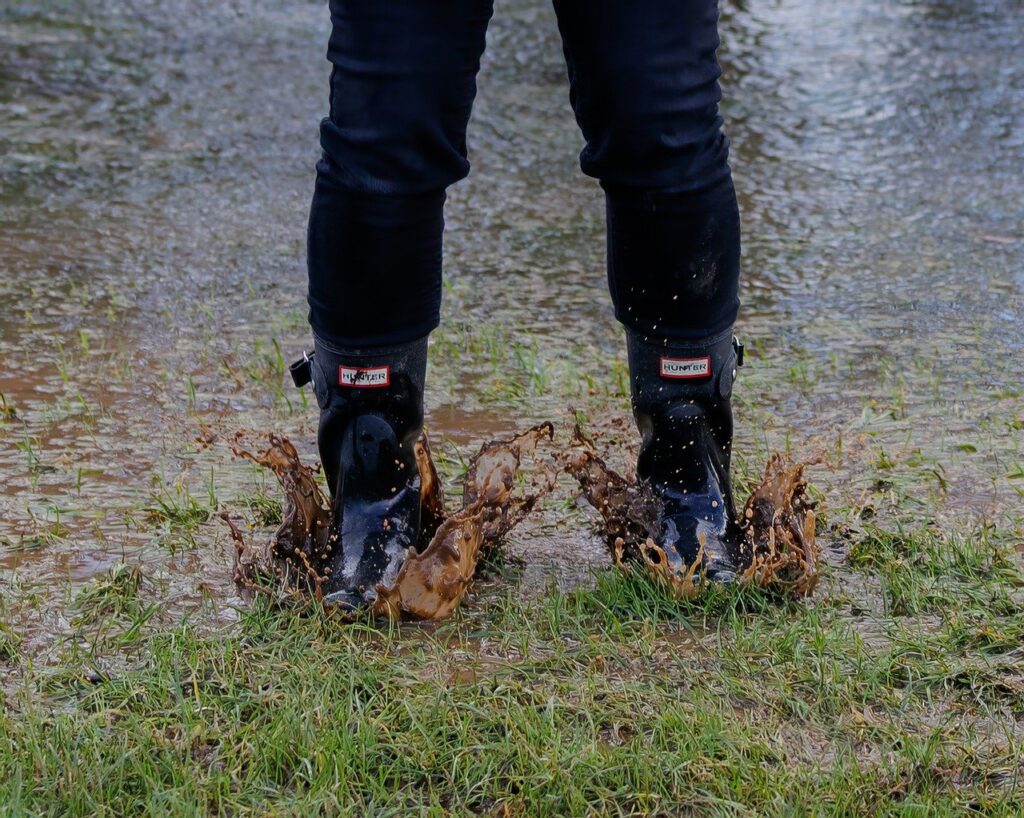

Few things are as frustrating for a homeowner as watching a beautiful yard turn into a swamp after a heavy rain. Poor drainage isn’t just a cosmetic issue; it’s a serious threat to your home’s structural integrity. Nationwide, improper water management leads to cracked foundations, flooded basements, soil erosion, and even property value loss. Understanding how to redirect water away from your living space is the first step in protecting your investment and ensuring your outdoor space remains functional year-round.
The Hidden Dangers of Poor Drainage
When water pools against a foundation, it exerts hydrostatic pressure. Over time, this pressure can cause concrete to bow, crack, or leak, leading to incredibly expensive structural repairs. Furthermore, standing water is a primary breeding ground for mosquitoes and can lead to the growth of mold and mildew in crawl spaces or basements. In many regions, particularly the Midwest and the South, heavy clay soils exacerbate these issues by holding onto moisture like a sponge, preventing the natural infiltration of rainwater into the aquifer.
Stop Your Yard From Becoming a Retention Pond
The wrong drainage system won't just fail—it can actually channel water toward your foundation and cause thousands in structural damage. Get a high-capacity, engineered drainage system designed by pros to keep your property bone-dry forever.
Get a Free QuoteWhile many people want a “one-size-fits-all” solution, the truth is that the best drainage system depends entirely on your specific property. Factors like soil composition, the slope of your land, and local rainfall patterns all play a role. Before you start digging, it is essential to identify the root cause of the issue—whether it is standing water in the lawn, foundation seepage, or aggressive runoff from your driveway or roof.
Initial Steps: The Low-Cost Fixes
Often, the simplest fixes are the most effective and should be attempted before investing in complex subsurface systems.
- Gutter and Downspout Maintenance: Start by checking your gutters. If they are clogged, water will spill over the sides and pool directly at your foundation. Ensure your downspout extensions are at least to feet long. This simple addition can solve a significant percentage of basement moisture problems instantly.
- Soil Regrading: You might also consider regrading the earth to ensure it slopes away from the house at a rate of at least inches over the first feet. This “positive grade” encourages gravity to do the work for you.
- Soil Aeration: In yards with heavily compacted soil, water cannot penetrate the surface. Core aeration helps loosen the ground, allowing water to reach the roots of your grass rather than sitting on top of it.
If these DIY steps don’t solve the pooling, it’s time to look at professional subsurface or surface drainage solutions.
Top Recommended Drainage Systems
1. French Drains (Subsurface Drainage)
This is perhaps the most popular system in the US for preventing basement leaks and managing soggy lawns. A French drain consists of a gravel-filled trench containing a perforated PVC pipe. The pipe is usually wrapped in a geotextile fabric to prevent silt and roots from clogging the system.
- How it works: Water naturally follows the path of least resistance. As it travels through the soil, it enters the gravel trench, falls into the perforated pipe, and is carried by gravity to a safe discharge point, such as a storm sewer or a lower part of the property.
- Best for: Subsurface water, foundation protection, and clay-heavy soils.
- Pros: Highly effective, long-lasting ( years), and nearly invisible once the grass grows back over the trench.
2. Swales and Bioswales (Natural Surface Drainage)
A swale is a shallow, grass-lined channel designed to slow down, filter, and redirect runoff. Bioswales take this a step further by using native, deep-rooted plants and amended soil to filter pollutants before the water enters the ground.
- How it works: Swales use the natural contour of the land. They are often used at the base of slopes to catch “sheet flow” before it reaches a patio or house.
- Best for: Sloped yards and eco-friendly landscaping.
- Pros: Natural-looking, promotes groundwater recharge, and is often the most cost-effective solution for large properties.
3. Dry Wells
If you have a specific area where water pools—such as at the end of a downspout—but no clear place to pipe the water away, a dry well is an excellent choice.
- How it works: A dry well is an underground perforated tank or a large rock-filled pit. It acts as a temporary holding tank during a storm, allowing the collected water to slowly dissipate into the surrounding soil over the following to hours.
- Best for: Isolated pooling and managing roof runoff in areas with decent soil permeability.
- Pros: Space-efficient and highly environmentally friendly as it recharges the local water table.
4. Channel Drains and Catch Basins
For hard surfaces like driveways, sidewalks, or pool decks, surface drains are mandatory. Channel drains are long, narrow grates usually installed across a driveway to prevent water from entering a garage. Catch basins are square grates placed in low spots of the yard to “catch” surface water and pipe it to a discharge area.
- Best for: Paved areas, high-traffic spots, and preventing slick surfaces in winter.
- Pros: Handles large volumes of water very quickly.
Comparison of Common Systems
| System | Primary Use | Visibility | Cost Range (Typical) |
| French Drain | Foundation/Soggy Lawns | Hidden | |
| Bioswale | Sloped Runoff | Visible/Natural | |
| Dry Well | Downspout Runoff | Hidden | |
| Channel Drain | Driveways/Patios | Visible Grate |
Key Considerations Before You Dig
Before starting any major drainage project, keep these US-specific requirements and technical details in mind:
- Call 811: This is a mandatory step nationwide. You must have your underground utility lines (gas, electric, water) marked before any excavation begins.
- Permit Check: Many municipalities have strict codes regarding stormwater. In most US jurisdictions, it is illegal to pipe your runoff directly onto a neighbor’s property or into the street if it creates a hazard.
- LID Practices: Many cities now offer tax incentives or rebates for “Low Impact Development” (LID). Rain gardens and bioswales are considered Best Management Practices (BMPs) by the EPA because they help reduce the burden on municipal storm sewers.
Maintenance: Protecting Your Investment
Installing a drainage system is not a “set it and forget it” task. All systems require periodic maintenance to remain functional:
- Annual Inspections: Check discharge points for debris or animal nests.
- Debris Removal: Clean the grates of catch basins and channel drains after heavy leaf fall or snowmelt.
- Pipe Flushing: Every to years, it is wise to have your subsurface pipes professionally flushed to remove accumulated sediment or fine roots.
Taking Action
Choosing the right system requires a careful balance between your budget, your yard’s aesthetics, and the technical severity of the water issue. While a simple swale might cost a few hundred dollars as a DIY weekend project, complex French drain systems for large commercial-grade residential properties can range from to .
Stop Your Yard From Becoming a Retention Pond
The wrong drainage system won't just fail—it can actually channel water toward your foundation and cause thousands in structural damage. Get a high-capacity, engineered drainage system designed by pros to keep your property bone-dry forever.
Get a Free QuoteBy addressing your drainage issues now, you aren’t just fixing a muddy puddle; you’re conducting vital preventative maintenance on your most valuable asset. Start with the basics of gutters and grading. If those aren’t enough, consult with a drainage specialist who can perform a percolation test and design a system tailored to your property’s unique topography. With the right system in place, you can enjoy a dry, healthy lawn and a secure foundation for decades to come.