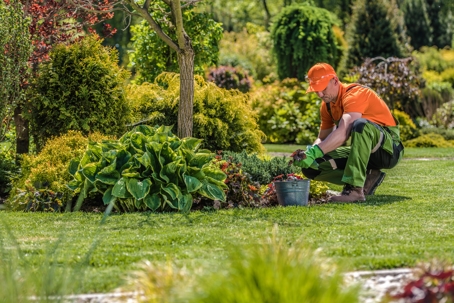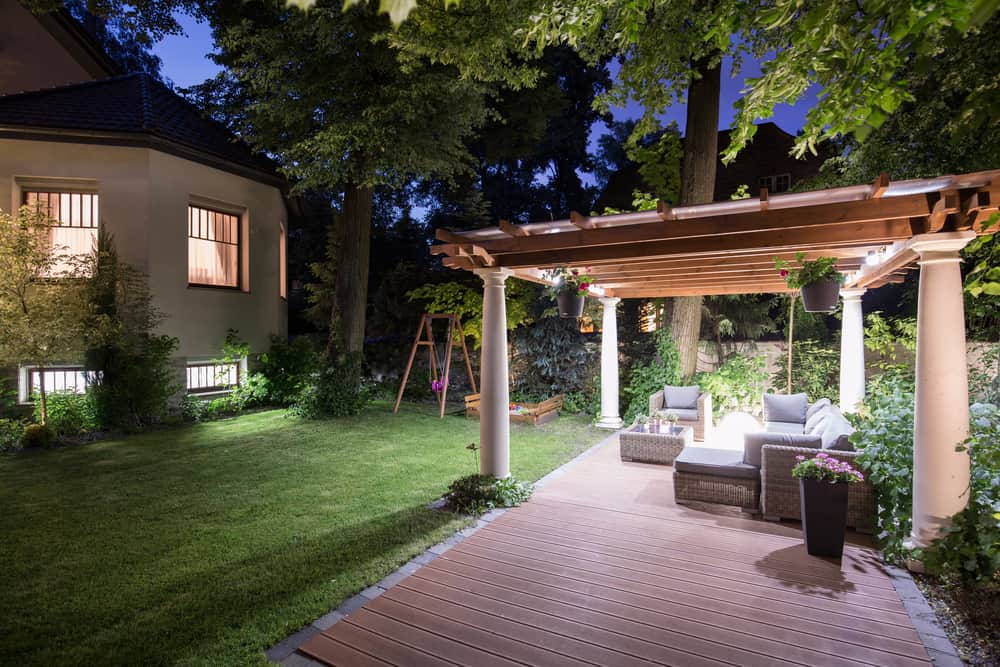

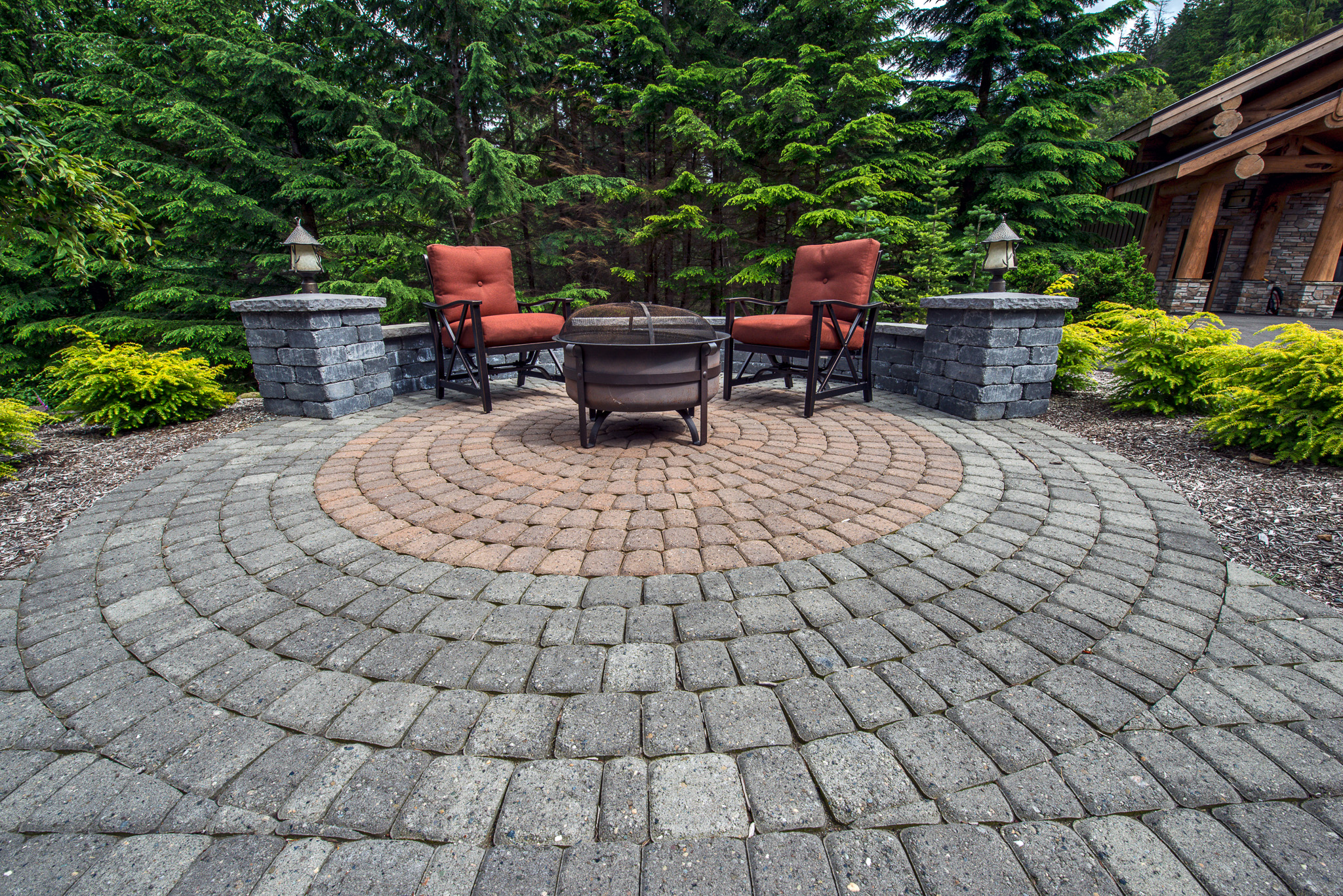
Whether you have just moved into a new home or are looking to revitalize your current property, the right yard landscape design can completely transform how you experience your outdoor space. It is no longer just about keeping the grass cut; modern landscaping is the intentional arrangement of outdoor residential spaces to maximize aesthetics, function, environmental performance, and your personal enjoyment.
For homeowners, a successful design must account for highly variable climates, local regulations like HOA rules, water constraints, and the growing desire to use outdoor spaces as a true extension of the home. At Ware Landscaping, we know that combining lush softscape (plants, shrubs, lawns) with durable hardscape (patios, walkways, retaining walls) requires a strategic approach.
Here is everything you need to know to plan a beautiful, functional, and high-yielding yard landscape design.
Core Principles of Yard Landscape Design
Great landscaping doesn’t happen by accident. Across the industry, professional designers rely on a set of foundational concepts to create visually pleasing and functional spaces:
- Unity and Harmony: Everything in your yard should relate. Instead of planting one of every flower you like, repeat materials, colors, or plant groupings (usually in odd numbers like 3 or 5) to create a sense of rhythm and connection.
- Balance: Your design can be symmetrical (formal, with mirrored elements on each side of a path) or asymmetrical. Asymmetrical is more common in residential yards, focusing on equalizing visual weight rather than creating a mirror image.
- Proportion and Scale: Elements must fit the size of your house and lot. The golden rule here is to design for the mature plant size, not the size it is at the nursery. A large tree can dwarf a small house, while tiny features will disappear in a massive backyard.
- Focalization: Create clear focal points to guide the eye. This could be a specimen tree, a beautiful water feature, a hardscape path framing your front door, or a custom patio space.
- Simplicity: Avoid visual clutter. In limited residential spaces, “less is more” is often the best approach to maintain a relaxing atmosphere.
The 6-Step Design Process
Tackling a yard makeover requires a structured approach. Skipping straight to planting is a recipe for expensive rework. Follow this standard process:
- Site Inventory & Analysis: Map your existing conditions. Track sun and shade patterns by season, test your soil, note drainage slopes, existing vegetation, and utility lines.
- User Needs Assessment: Ask yourself how the space will be used. Do you need an entertaining space, a play area for kids, a run for pets, or a private garden? What is your budget and maintenance tolerance?
- Functional Diagrams: Zone the yard based on your needs. Carve out areas for arrival, outdoor living, utility (like trash cans or AC units), and plan the circulation paths between them.
- Conceptual Design: Create rough layouts that apply the core principles mentioned above, ensuring the style matches your home’s architecture.
- Detailed Plan: Finalize plant lists (noting mature sizes), hardscape materials, lighting, and irrigation. If your budget is tight, plan the project in phases.
- Implementation: Time to build and plant! Actionable tip: Always call 811 before doing any significant digging to locate underground utilities.
Know Your Zone: USDA Plant Hardiness
For any U.S. yard, the most critical factor in plant survival is the USDA Plant Hardiness Zone. Updated in 2023, this map divides the country into zones based on extreme minimum winter temperatures.
Always match plant tags to your specific zone. However, remember that cold hardiness is just a guide—you must also consider summer heat, humidity, soil pH, and microclimates in your yard. The most common landscaping failure is putting the wrong plant in the wrong place.
Current Trends in Landscape Design (2025-2026)
The way we use our yards is shifting. Based on recent industry data, here is what homeowners are prioritizing right now:
- Shrinking Lawns: Traditional lawn square footage is declining. Homeowners are replacing vast expanses of grass with native beds, groundcovers, gravel gardens, and extended hardscapes.
- Native and Pollinator Plants: Requests for native plants are up 23%. Over half of renovating homeowners are choosing native, pollinator-friendly, and drought-resistant plants to create low-maintenance, eco-friendly spaces.
- “Soft Yards”: Rigid, geometric layouts are being replaced by layered planting, curved pathways, organic forms, and immersive, restorative spaces.
- Outdoor Living Spaces: Yards are daily extensions of the home. We are seeing a massive demand for flexible party patios, robust outdoor kitchens, and wellness-focused lounge zones.
- Privacy and Shade: Trees remain the top shade solution as homeowners look to create private, cool microclimates in their backyards.
Sustainability: Water-Wise Landscaping
Outdoor irrigation is a major household water user. By adopting smart sustainability practices, you can cut outdoor water use by 50–75%.
Consider Xeriscaping—a water-efficient landscaping method (not to be confused with “zeroscaping,” which is just barren rock). Use “hydrozoning” to group plants by their water needs, apply mulch generously to retain moisture, and install efficient drip irrigation. Native plants are highly recommended because, once established, they require less water, fertilizer, and pesticides while supporting local ecology.
Does Landscaping Add Property Value?
Investing in your yard pays off, both in lifestyle enjoyment and financial return. Research shows that well-landscaped homes command a 5.5% to 12.7% higher price than minimally landscaped comparables. Furthermore, homes with strong curb appeal sell for about 7% more on average. Over 90% of realtors recommend curb-appeal improvements before listing a home.
Average Landscape Costs & ROI (2025-2026)
| Project Type | Estimated Average Cost | Potential ROI / Impact |
| Typical Overall Project | $8,500 (Median ~$9,000) | 100%+ (High Curb Appeal) |
| Patio Installation | ~$6,400 | High Lifestyle Value & Resale |
| Planting Beds | ~$3,800 | High Recovery Value |
| Full Backyard Remodel | $15,000 – $60,000+ | Excellent Lifestyle ROI |
Note: Costs vary heavily by region, materials, and site difficulty. Design-build projects often include design fees ranging from $700 to $3,000.
Common Mistakes to Avoid
Even with the best intentions, DIY landscaping can go wrong. Avoid these common pitfalls:
- No Master Plan: Buying random plants at the garden center leads to a disjointed, expensive yard that requires constant rework.
- Ignoring Mature Size: Planting too densely or ignoring how big a tree will get leads to overcrowding, blocked windows, and endless pruning.
- Prioritizing Looks Over Function: Never ignore drainage, grading, or maintenance reality just to get a specific look.
- Overlooking Rules: Always check local ordinances, HOA rules, and permit requirements before installing hardscapes or fences.
Ready to Transform Your Property?
A well-executed yard landscape design blends beauty, ecology, and high-value functionality. Whether you prefer a clean, modern aesthetic, a naturalistic cottage garden, or a robust outdoor entertainment space, planning is the key to success.
At Ware Landscaping, we specialize in bringing these designs to life. From routine garden and lawn care to complex hardscape installations like patios and walkways—and even keeping your property safe with seasonal snow removal—we have the expertise to elevate your outdoors year-round.
Ready to maximize your yard’s potential? Contact Ware Landscaping today to schedule a consultation and let our team turn your landscaping vision into reality.