

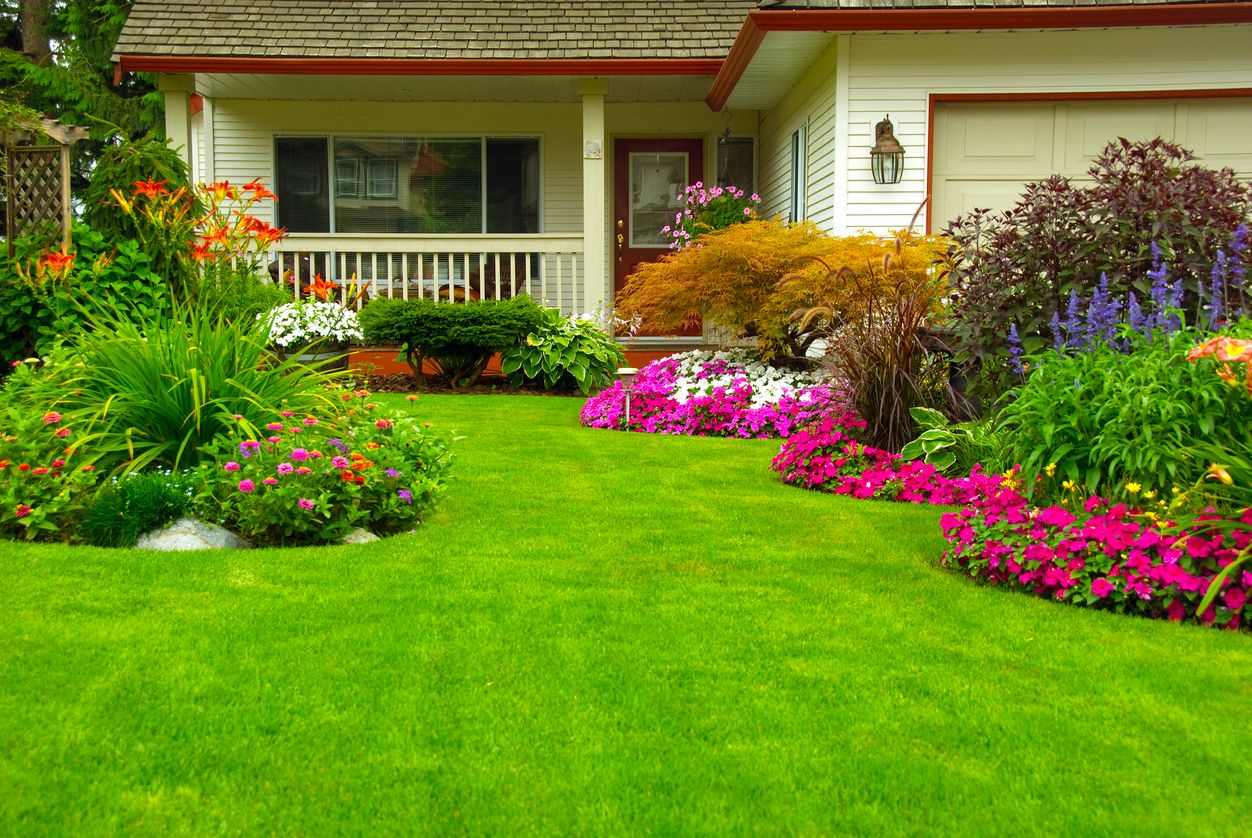
White stone for landscaping is a popular option for homeowners who want a clean, bright and modern outdoor space. Its light color creates an attractive contrast with green plants, colorful flowers, dark pavers and natural wood.
White landscaping rocks can be used in flower beds, walkways, borders, dry creek beds, patios and foundation areas. Unlike organic mulch, stone does not decompose and can remain in place for many years.
However, not every type of white stone is suitable for every landscape. The best option depends on the area’s purpose, drainage conditions, nearby plants and the level of maintenance required.
Common Types of White Stone for Landscaping
White Marble Chips
White marble chips are small, angular pieces of crushed marble. They usually have a bright white appearance with occasional light-gray veining.
They are commonly used in:
- Flower beds
- Foundation borders
- Formal gardens
- Walkway edges
- Decorative accent areas
- Modern front-yard designs
Marble chips reflect light and can make shaded or narrow areas appear brighter. Their angular shape also helps them stay in place better than smooth gravel.
One consideration is that marble may gradually increase soil alkalinity. It may not be suitable around acid-loving plants such as azaleas, rhododendrons and blueberries.
White Pea Gravel
White pea gravel consists of small, smooth and rounded stones. It is often used for garden paths, seating areas and spaces between stepping stones.
Common applications include:
- Informal walkways
- Small patio areas
- Side yards
- Drainage strips
- Areas between pavers
- Decorative garden paths
Pea gravel is relatively comfortable underfoot, but it can shift because of its rounded shape. Strong edging is needed to prevent it from spreading into lawns or planting beds.
It may also be difficult for wheelchairs, strollers and wheeled equipment to cross unless a stabilization grid is installed underneath.
White River Rock
White river rock has a smooth, naturally rounded appearance and is available in several sizes.
It is commonly used for:
- Dry creek beds
- Drainage channels
- Landscape borders
- Water features
- Areas around trees
- Decorative accents
- Downspout outlets
River rock creates a softer, more natural appearance than crushed marble. Larger stones are less likely to move, although they are uncomfortable for regular foot traffic.
Decorative river rock can help protect soil from erosion, but it will not solve a drainage problem unless the area has the correct grade and a suitable outlet for water.
White Limestone
White or pale limestone is available as crushed gravel, aggregate and larger decorative stone.
It can be used in flower beds, driveway borders, pathways and drainage areas. Like marble, limestone may affect soil pH, so nearby plant requirements should be considered before installation.
Benefits of White Landscaping Rocks
Clean and Modern Appearance
White stone creates a strong contrast with plants and other outdoor materials.
It works particularly well with:
- Dark green shrubs
- Ornamental grasses
- Purple foliage
- Bright flowers
- Charcoal pavers
- Black edging
- Natural wood
- Concrete surfaces
This makes it suitable for modern, minimalist, Mediterranean and Zen-inspired landscapes.
Long-Lasting Ground Cover
Natural stone does not decompose like wood mulch. When installed correctly, it may remain in place for many years.
Although stone requires occasional cleaning and replenishment, it usually does not need to be replaced as frequently as organic mulch.
Weed and Erosion Control
A properly prepared layer of stone can cover exposed soil and reduce weed growth. It can also protect the ground from rainfall and surface runoff.
However, weeds can still grow when seeds collect in dust, soil and organic debris between the stones.
Improved Drainage
Gravel and river rock can be used around drainage features, downspout outlets and dry creek beds.
Stone allows water to move through the surface more easily than compacted soil. The area must still be graded correctly, and the water needs a safe discharge location.
Brighter Shaded Areas
Light-colored stone reflects more light than dark gravel or brown mulch. It can make narrow side yards, shaded foundation beds and enclosed garden areas feel brighter.
Drawbacks of White Stone for Landscaping
Dirt Is More Visible
White stone shows mud, grass clippings, fallen leaves and stains more easily than darker materials.
Areas beneath trees may require frequent blowing or raking, especially during fall.
Stone Can Retain Heat
Although white rock reflects more sunlight than dark stone, it can still absorb and release heat.
Heat-sensitive plants may struggle when surrounded by large amounts of exposed stone. Organic mulch may be more suitable around certain trees, shrubs and perennials.
Small Stones Can Move
Pea gravel and small pebbles can scatter into lawns and nearby garden beds.
Metal, paver, concrete or heavy-duty plastic edging should be used to keep the material contained.
Removal Can Be Difficult
Stone is durable, but it can be time-consuming to remove when a landscape design changes. Gravel can mix with soil and become tangled in old landscape fabric.
White stone should therefore be installed in areas where the long-term layout is reasonably clear.
Popular White Stone Landscaping Ideas
Flower Beds and Borders
White stone can be used as a full ground cover or as a decorative border around shrubs and perennials.
It pairs well with boxwood, ornamental grasses, lavender, salvia and dark-leaved plants.
Avoid piling stone directly against trunks or plant stems.
Walkways and Stepping Stones
White pea gravel or marble chips can create attractive garden paths. A compacted base and secure edging will help reduce movement.
Stepping stones or pavers can also be placed within the gravel to create a more stable walking surface. Similar combinations of patios, paths and retaining features can be found in these Wheaton hardscaping services.
Dry Creek Beds
White river rock can create a decorative dry creek bed while helping guide water through the landscape.
A complete design may include larger stones along the edges, medium river rock through the channel, ornamental grasses and moisture-tolerant plants.
If the creek bed is intended to manage runoff, it must have the correct depth, slope and discharge point.
Around Patios and Fire Pits
White gravel can provide a clean transition between a patio and nearby planting beds.
It can also be used around:
- Fire pits
- Seat walls
- Outdoor kitchens
- Raised patios
- Garden steps
- Decorative containers
The stone should complement the color and texture of the main hardscape. Examples of coordinated patios, walls, walkways and fire features are shown on this St. Charles hardscaping page.
Zen-Inspired Gardens
White gravel is commonly used in Zen-inspired gardens because it creates a simple surface that can be raked into patterns.
A small Zen garden may include white gravel, carefully positioned stones, ornamental grasses, a specimen tree and simple edging.
How to Install White Landscaping Stone
Start by marking the area and removing grass, weeds and roots.
Excavate enough soil to accommodate the decorative stone and any required base. Walkways and seating areas usually need compacted crushed stone underneath for stability.
Correct drainage problems before installing decorative rock. Do not use stone to hide standing water, foundation pooling or downspout problems.
Landscape fabric may be installed in non-planted areas to separate the stone from the soil. However, it will not prevent weeds permanently and may not be suitable throughout active flower beds.
Install edging before spreading the stone. This helps prevent gravel from moving into surrounding lawns and planting areas.
Spread the material evenly, usually at a depth of two to four inches, depending on the stone size and intended use.
How to Maintain White Landscaping Rocks
White stone can be maintained by:
- Blowing away leaves regularly
- Keeping grass clippings out
- Pulling weeds early
- Raking the surface occasionally
- Correcting muddy runoff
- Replacing stone in thin areas
Regular maintenance prevents debris from collecting between the rocks and helps preserve their bright appearance.
Is White Stone for Landscaping Worth It?
White stone is a good choice for homeowners who want durable ground cover and a clean, modern appearance.
Marble chips work well in formal beds, pea gravel suits informal paths, and river rock is useful for drainage areas and dry creek beds.
The best results usually come from using white stone selectively and combining it with plants, mulch and hardscaping instead of covering every section of the yard.
Frequently Asked Questions
Does white landscaping stone prevent weeds?
It can reduce weed growth, but it does not eliminate weeds completely. Seeds may still germinate in debris that collects between the stones.
Is white stone better than mulch?
White stone lasts longer, while mulch improves the soil and helps regulate moisture. The best choice depends on the location and nearby plants.
How deep should white landscape rock be?
Most decorative areas require approximately two to four inches of stone. Walkways may also need a separate compacted base.
Should landscape fabric be used?
Fabric can help separate stone from soil in paths and non-planted areas. It may not be appropriate throughout active flower beds.
Can white river rock improve drainage?
River rock can protect soil and line a drainage channel, but the area still requires proper grading and a suitable water outlet.