
High end homes in Dallas place heavy expectations on every material choice. Designers working on these projects do not select quartzite slabs based on color alone or what looks impressive in a showroom. They think about how the stone will live in the space for years. They consider light, layout, scale, and how the slab will behave once it becomes part of a finished home.
Quartzite appeals to Dallas designers because it offers natural beauty with strength. Still, not every slab fits a luxury project. Designers filter options carefully, knowing that the wrong choice can throw off an entire space.
This article breaks down what Dallas designers actually look for when choosing quartzite slabs for high end homes and why those details matter.
Consistency across the full slab, not just a sample
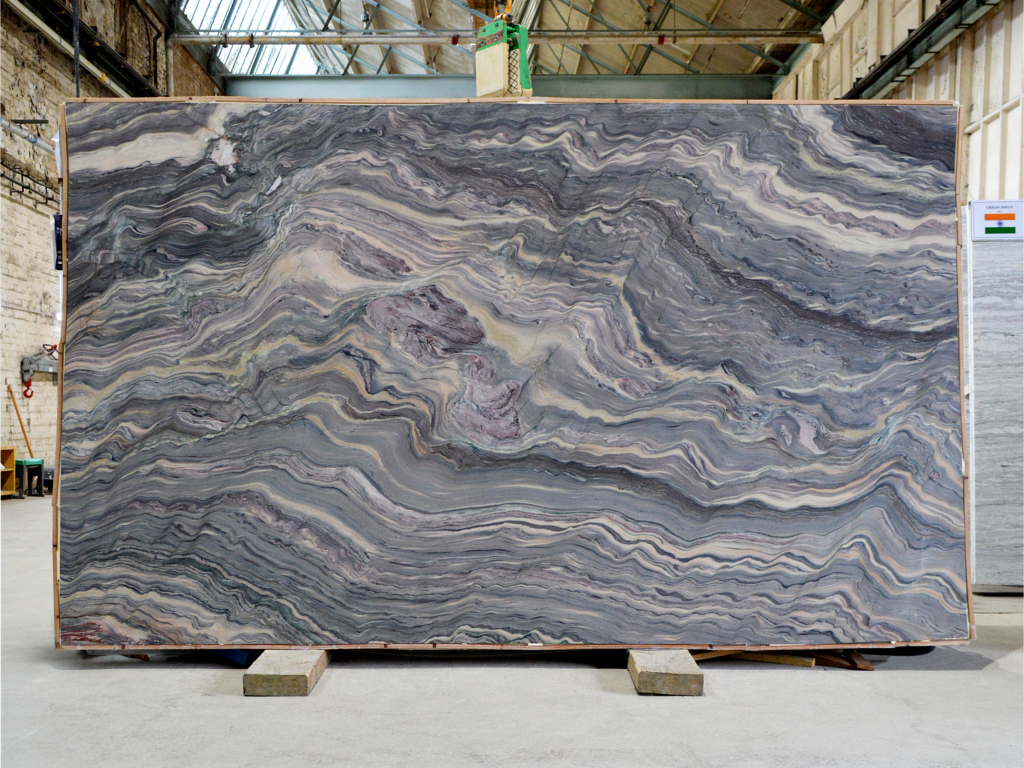
Designers rarely rely on small samples. They want to see the full slab, sometimes multiple slabs from the same block. Quartzite varies naturally. Designers look for consistency across the entire surface so the stone does not surprise them during fabrication. They check whether veining stays predictable or suddenly becomes heavy in one area.
For large kitchens, long islands, and open layouts common in Dallas homes, consistency helps maintain visual balance. Designers accept variation but want it to feel intentional rather than random.
Movement that matches the architecture
Quartzite movement needs to match the home’s architectural style. In modern Dallas homes, designers often choose slabs with linear veining or layered patterns that feel calm and controlled. In more traditional homes, they may lean toward softer movement with organic flow.
They avoid slabs that feel too chaotic for the space. A stone with dramatic movement can work, but only when the architecture supports it.
Designers ask questions like:
-
Does the movement echo the lines of the room
-
Will it compete with beams, millwork, or flooring
-
Does it support the design story or distract from it
Scale that works with large surfaces
High end Dallas homes often feature oversized islands, long perimeter counters, and sometimes full height stone backsplashes. Designers think about scale. A slab that looks balanced on a small counter may feel flat or repetitive across a ten foot island. Others may feel too busy once stretched across a wide surface.
They look for quartzite that holds interest at a distance. They step back, squint, and imagine how the stone reads from across the room. Scale matters more than pattern complexity.
Color undertones that work with natural light
Dallas homes receive strong natural light. Designers pay close attention to undertones because sunlight exaggerates them. A slab with subtle yellow or gray undertones may look neutral indoors but shift dramatically in a sun filled kitchen. Designers view slabs under different lighting conditions and at different times of day when possible.
They prefer quartzite that maintains its character whether the light is bright or soft. Stability in color earns trust.
How the slab reacts to shadows and reflections
High end homes often include layered lighting. Under cabinet lighting, pendants, recessed lights, and natural light all hit the stone differently. Designers observe how quartzite reacts to shadows and reflections. Polished surfaces may highlight movement more than expected. Honed finishes can soften contrast.
They choose finishes that align with the mood of the space. A serene kitchen benefits from softer reflection. A dramatic kitchen may welcome shine. The finish decision rarely happens without seeing the slab in person.
Vein direction and flow potential
Designers think ahead to fabrication. They study vein direction and how it can flow across the kitchen.
They look for slabs that allow:
-
Continuous movement across islands
-
Clean transitions at seams
-
Optional bookmatching without chaos
Poor vein direction can limit layout options. Designers prefer slabs that offer flexibility. This foresight avoids awkward cuts that break the visual rhythm of the stone.
Balance with cabinetry and millwork
High end Dallas homes often feature custom cabinetry. Designers choose quartzite that complements, not competes. If cabinets carry strong grain or color, designers often choose calmer stone. If cabinets stay simple, quartzite may take on more character.
They consider cabinet height, finish, and detailing. Quartzite must sit comfortably within that frame. Designers avoid pairings where both materials fight for attention.
Performance expectations without compromise
While beauty leads the conversation, performance matters. Designers expect quartzite to hold up in kitchens that see heavy use.
They look for slabs that:
-
Feel dense and solid
-
Show minimal resin buildup
-
Have clean edges and sound structure
They avoid slabs with visible weakness that could complicate fabrication or long term durability. Confidence in the material matters as much as appearance.
Subtle luxury over obvious drama
High end design rarely shouts. Dallas designers often favor quartzite that whispers. They choose stone that reveals complexity slowly. Up close, it shows detail. From afar, it feels calm.
This restraint creates timeless spaces rather than trend driven ones. Designers think about how the kitchen will feel ten years from now, not just today.
Compatibility with the entire home
Quartzite in high end homes often appears beyond the kitchen. Designers consider how the slab works with nearby spaces.
They think about:
-
Flooring that runs through the home
-
Fireplace surrounds
-
Bathroom stone selections
-
Stair details and accent walls
Quartzite should feel like part of a larger material palette. Designers avoid slabs that feel isolated or disconnected.
Predictability during fabrication
Designers work closely with fabricators. They choose slabs that behave predictably during cutting and finishing. They avoid slabs with hidden issues that could delay timelines or cause layout changes. Smooth coordination matters in luxury projects where schedules stay tight. Reliable slabs earn repeat trust.
Natural character without chaos
Designers appreciate quartzite because it carries nature’s fingerprint. They want that character without visual noise. They look for stone that feels organic but controlled. That balance separates average projects from exceptional ones. Quartzite that overwhelms the space rarely makes it into a high end Dallas home.
Why designers take their time choosing slabs
Designers do not rush quartzite selection. They view multiple slabs, compare options, and revisit favorites. They understand that once installed, the stone becomes permanent. That responsibility shapes their careful approach. They choose slabs that support the design rather than demand attention.
What homeowners can learn from designers
Homeowners benefit by thinking like designers. Looking beyond color and asking how the slab will live in the space leads to better results. Quartzite rewards patience and perspective. High end homes prove that the right slab elevates everything around it.
Dallas designers select quartzite slabs with intention, not impulse. They evaluate movement, scale, light, and harmony within the home. Their choices reflect experience and restraint. The result feels refined, comfortable, and lasting. Quartzite shines brightest when chosen with the whole space in mind, not just the surface it covers.