
For homeowners in Wheaton, managing stormwater is a constant challenge. Our community is characterized by relatively flat topography and heavy, clay-rich soils, specifically the Du Page soil series. These conditions mean that when a heavy Midwest thunderstorm hits, the ground cannot absorb water as quickly as the rain falls. If your downspouts are simply dumping water next to your foundation, you are inviting basement seepage, soil erosion, and structural cracks.
An underground gutter drainage system (also known as buried downspout extensions) is the most effective way to solve these issues. By moving roof runoff through a network of buried pipes to a safe discharge point, you protect your home’s foundation and improve your property’s overall health.
In this guide, we’ll explore the specific Wheaton regulations, material choices, costs, and installation steps required for a high-performing underground drainage system in our local climate.
What is Underground Gutter Drainage?
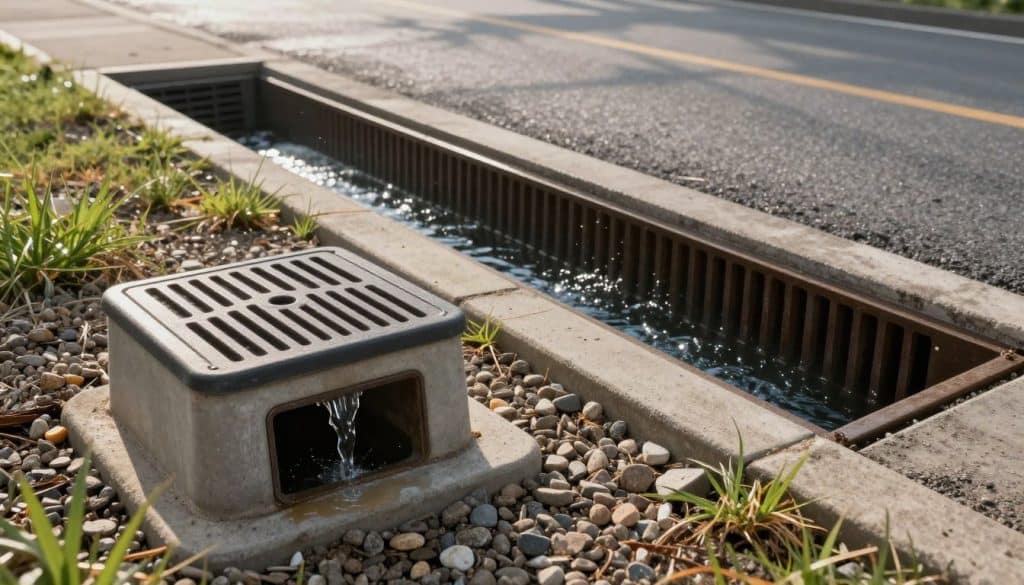
An underground gutter drainage system connects your roof’s downspouts to buried pipes that carry rainwater away from the foundation. Instead of using unsightly plastic extensions that sit on your lawn, these systems move water 10 to 20 feet away to a “pop-up emitter,” a bubbler pot, or a permitted tie-in to the city’s storm sewer.
How the System Functions:
- The Collection Point: A specialized adapter connects the vertical downspout to a horizontal buried pipe.
- Debris Filtration: A catch basin or leaf filter is installed at the transition to prevent grit from shingles and organic debris from clogging the underground line.
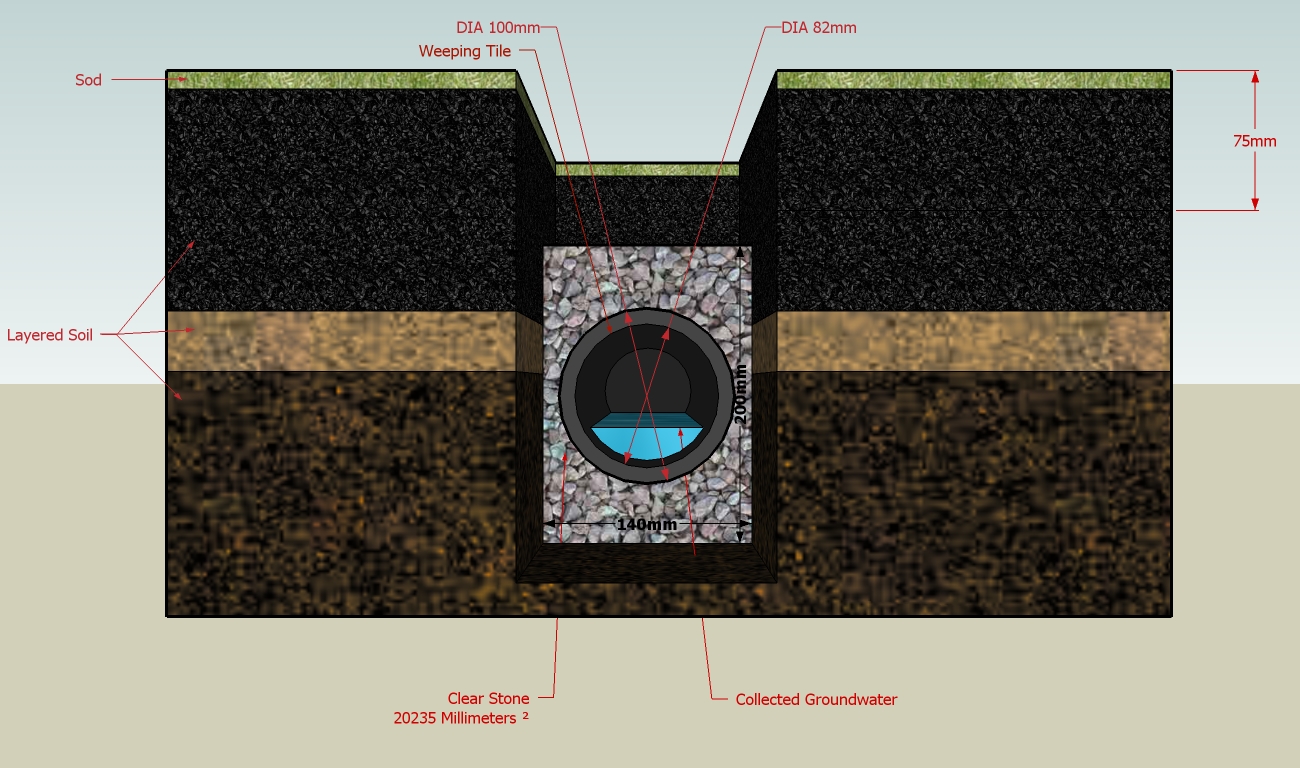
- The Conveyance: Water travels through rigid pipes buried beneath your lawn.
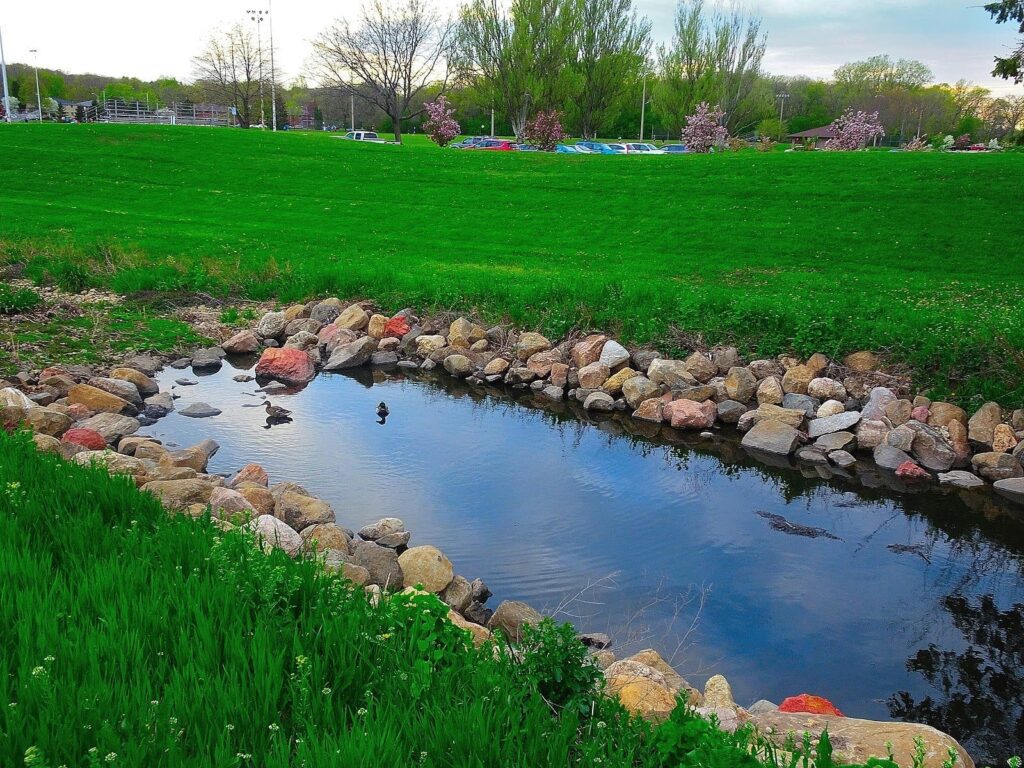
- The Safe Discharge: The water exits at a predetermined point where it can be absorbed by the soil or move into the municipal storm system without flooding your neighbors.
Why Wheaton Homes Need Underground Gutter Drainage
Wheaton presents a specific set of geographical and regulatory challenges that make buried downspouts a necessity for most property owners.
1. The “Du Page Soil” Problem
Our local soil is primarily composed of silt loam and clay. Clay has extremely low permeability, meaning it acts like a sponge that holds onto water for long periods. When thousands of gallons of water pour off your roof into the soil right next to your foundation, the clay creates a “hydrostatic” pressure cook. Over time, this pressure forces water through even the smallest cracks in your basement walls. An underground gutter drainage system moves that water to a different “zone” of your yard where it can be properly managed.
2. Preventing “Recycling” Water
Many Wheaton homes have sump pumps that discharge water near the house. If your gutters are also dumping water in the same area, your sump pump ends up pumping the same water out repeatedly, a cycle known as “recycling.” This wears out your pump prematurely and increases the risk of a basement flood during a power outage.
3. Aesthetics and Curb Appeal
Wheaton is known for its beautiful, well-manicured neighborhoods. Long, green plastic extensions snaking across your front lawn are an eyesore. Buried systems are invisible, allowing your landscaping to shine and making it much easier to mow your lawn without moving heavy extensions.
Local Wheaton Regulations: Chapter 34 and Beyond
Wheaton has its own set of Stormwater Management Regulations (City Code Chapter 34) that are often more restrictive than the general DuPage County ordinances. Compliance is key to avoiding fines or legal disputes with neighbors.
1. The 10-Foot Rule
In Wheaton, your discharge point must be located at a safe distance from property lines. Specifically:
- The discharge point must be at least 10 feet from any property line, or half the distance from your home to the property line, whichever is less.
- This ensures that your roof runoff doesn’t become your neighbor’s backyard swamp.
2. Foundation Distance
The City’s “Flooding Prevention Tips” suggest that downspouts should discharge at least 3 to 4 feet away from the foundation. While many DIY extensions stop at 4 feet, professional underground gutter drainage systems typically extend 10 to 15 feet to ensure the water is completely removed from the foundation’s “excavation zone.”
3. Connection Rules
- Sanitary Sewers: It is strictly illegal to connect your gutters or sump pump to the sanitary sewer.
- Storm Sewers: You may connect your underground drainage to the city’s storm sewer, but this requires a specific plumbing/building permit and approval from the Wheaton Engineering Department.
- Permits: For simple buried extensions that do not tie into the city sewer and do not involve major grading (less than 5,000 sq. ft. of disturbance), a permit is typically not required. However, any regrading that changes how water flows toward a neighbor always requires city review.
The Frost Line and Materials: Planning for Illinois Winters
Wheaton follows the 2024 International Residential Code (IRC) with local amendments, which sets our frost line at 42 inches.
Material Selection: PVC is King
In Wheaton’s freeze-thaw climate, material choice is critical.
- Schedule 40 PVC (Solid Wall): This is the gold standard. It is rigid, resists clogs, and can withstand the pressure of expanding clay soil when it freezes. We always use solid-wall PVC near the foundation to ensure zero leaks near the basement.
- SDR-35 PVC: A slightly thinner but still high-quality rigid pipe often used for long runs.
- Corrugated Plastic: While cheaper, corrugated pipe is prone to clogs from shingle grit and can be easily crushed by heavy landscaping equipment. We generally avoid this for long-term Wheaton installations.
Cost Analysis: 2026 Wheaton Estimates
Installing an underground gutter drainage system in Wheaton is an investment in your home’s structural integrity. Based on local data for 2025–2026, here are the estimated costs:
| System Component | Typical Price Range |
| Per Downspout Extension (Materials + Labor) | $200 – $450 |
| Full System for Typical Home (4-6 Downspouts) | $2,200 – $4,500 |
| Permit Fees (If Connecting to Sewer) | $150 – $400 |
| Average Total Investment | $2,800 – $3,500 |
Note: The clay-rich Du Page soil series often makes trenching more labor-intensive, which can drive costs toward the higher end of the national average.
Installation: The Ware Landscaping Standard
When we install an underground gutter drainage system in Wheaton, we follow a process designed for maximum longevity:
- Utility Marking: We call 811 to mark all underground gas and electric lines before digging.
- Proper Sloping: We ensure a minimum slope of 1/4-inch per foot. In Wheaton’s flat yards, this often requires precise laser-leveling to prevent standing water in the pipes.
- The Pop-Up Emitter: We use high-quality emitters that “pop up” during rain but sit flush with the grass during dry spells, allowing you to mow right over them.
- Restoration: We carefully replace your sod and mulch so that your lawn looks untouched within a few weeks of installation.
Maintenance and Long-Term Care
To keep your system running smoothly through Wheaton’s changing seasons:
- Annual Flush: Once a year, put a garden hose in the top of your downspout to ensure the underground pipes are clear of any silt or shingle grit.
- Clean the Catch Basin: If your system includes a debris filter at the downspout, empty it every fall after the leaves have dropped.
- Inspect the Emitter: Ensure your pop-up emitter isn’t blocked by mulch or overgrown grass.
Why Choose Ware Landscaping for Your Wheaton Property?
At Ware Landscaping, we are experts in the specific “water health” of DuPage County. We offer a holistic view of your property, combining underground gutter drainage with proper yard grading and sump pump management. We even recommend utilizing Wheaton’s Free Drainage Review (offered by the City Engineer) before we begin, ensuring your system is perfectly aligned with municipal goals.
Stop letting roof runoff threaten your foundation. Contact Ware Landscaping today for a professional underground gutter drainage consultation in Wheaton!
Proudly serving Wheaton (60187, 60189) and the surrounding DuPage County communities with premium drainage and maintenance services.