
A new lawn can transform your property’s appearance, create a more inviting outdoor space and improve curb appeal. But the cost of installing grass varies more than many homeowners expect. The installation method, condition of the yard, grass variety, soil preparation and local labour rates all influence the final price.
A straightforward lawn installation can cost a few thousand dollars, while a larger property requiring old turf removal, grading, irrigation or artificial grass can cost considerably more. Understanding these differences before requesting a quote helps you choose an option that fits your budget and your property’s needs.
Whether you’re considering natural sod for a quick transformation, hydroseeding for a more economical approach or artificial turf for a different maintenance routine, this guide breaks down the costs and practical considerations.
Sod vs. Hydroseeding vs. Artificial Turf: What Does Each Cost?
The best starting point is to compare the main installation methods. The following figures are 2026 U.S. planning estimates based on published national cost guides. Actual prices in the Chicago suburbs may differ depending on the contractor, grass type, site access and preparation required.
| Installation method | Typical estimated cost | Main advantage |
|---|---|---|
| Natural sod | $1–$2 per sq. ft. for basic installation | An established-looking lawn almost immediately |
| Hydroseeding | $0.07–$0.26 per sq. ft. for the application | Lower initial cost for many larger areas |
| Artificial turf | Approximately $10–$25 per sq. ft. installed | No mowing or fertilising of the artificial surface |
These ranges are not perfectly equivalent. Basic sod installation may assume relatively straightforward ground preparation, hydroseeding prices may exclude extensive grading, and artificial turf estimates depend heavily on excavation, base construction, drainage and turf quality. Check what each estimate includes before comparing proposals.
For a typical 2,000-square-foot area, the approximate costs are:
- Sod: $2,000–$4,000 for basic installation.
- Hydroseeding: $140–$520 for the application at the stated per-square-foot rate, although small-job minimums and additional preparation can increase the total.
- Artificial turf: $20,000–$50,000 using the broad installed range above.
These are planning calculations rather than guaranteed project prices. Extensive site work can increase the total considerably.
Plan Your New Lawn With Confidence
The right installation method depends on your soil, grading, grass selection and how you use your yard. Get a quote based on your property's actual needs.
Get a Free Quote1. How Much Does Sod Installation Cost?
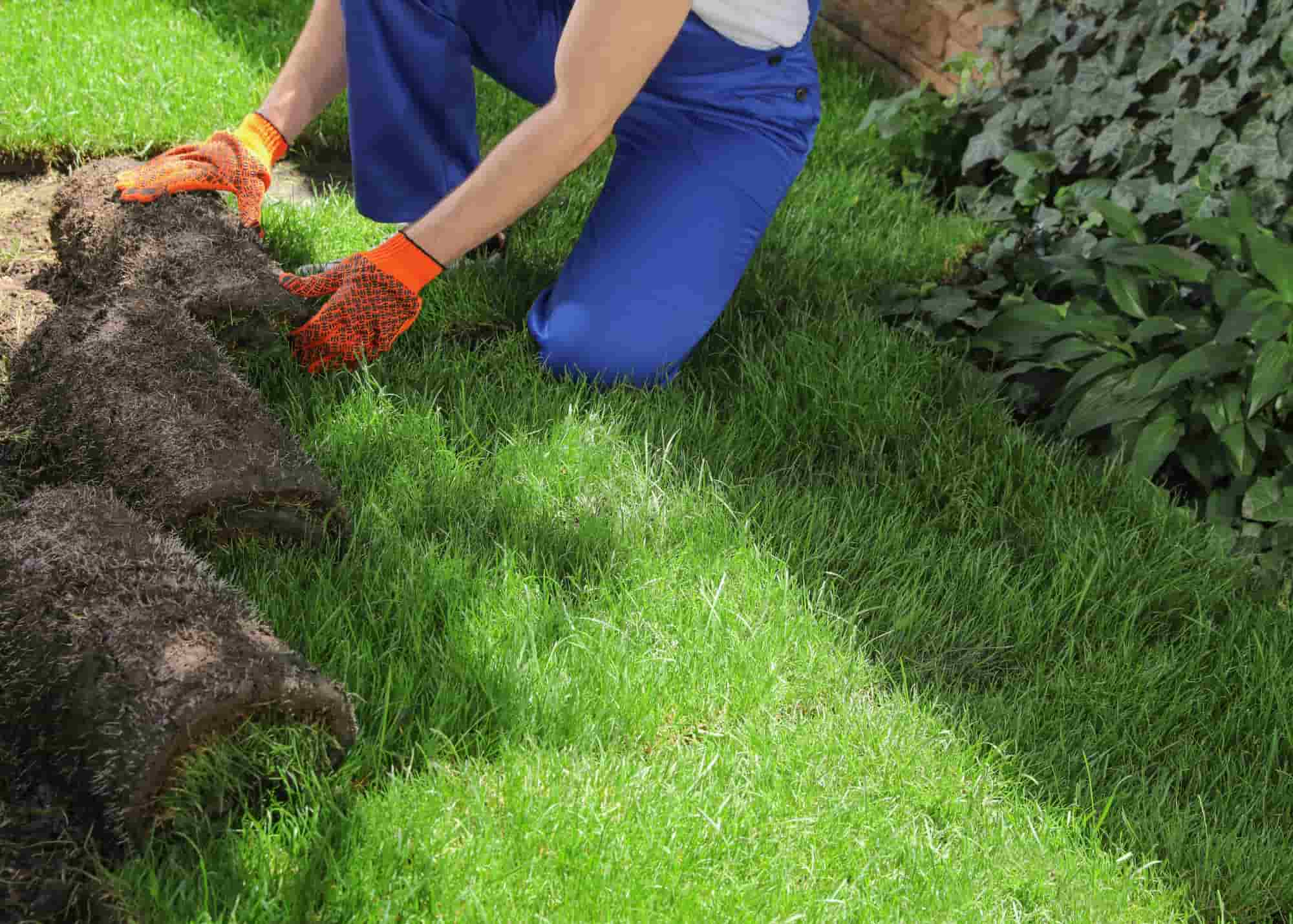
Sod is mature grass that has been grown commercially and harvested with its root system and a thin layer of soil intact. It is delivered in rolls or slabs and laid over prepared ground, providing an established-looking lawn without waiting for seed to germinate.
According to HomeGuide’s sod installation cost guide, basic new sod installation typically costs around $1–$2 per square foot. Projects involving removal of an existing lawn and replacement sod can cost approximately $1.50–$4 per square foot.
Sod installation costs by lawn size
The following estimates use the basic $1–$2 per-square-foot range. They assume relatively straightforward preparation and should not be treated as a complete budget for every property.
| Lawn size | Estimated basic installation cost |
|---|---|
| 500 sq. ft. | $500–$1,000 |
| 1,000 sq. ft. | $1,000–$2,000 |
| 1,500 sq. ft. | $1,500–$3,000 |
| 2,000 sq. ft. | $2,000–$4,000 |
| 3,000 sq. ft. | $3,000–$6,000 |
| 5,000 sq. ft. | $5,000–$10,000 |
Removing an old lawn, importing topsoil, correcting drainage or reshaping a sloped yard can increase these amounts. For example, a 2,000-square-foot lawn that requires extensive removal and preparation may cost substantially more than one installed on already cleared, level ground.
What affects the price of sod?
Grass variety: Different varieties have different material prices and growing requirements. Cool-season grasses are generally appropriate for northern Illinois, where lawns need to tolerate cold winters and variable summer conditions. Kentucky bluegrass and suitable tall fescue blends are common choices, although the best option depends on sun exposure, soil and intended use.
Yard condition: Slopes, tree roots, compacted ground, narrow access points and existing landscaping can make installation more labour-intensive. Machinery may be needed for larger projects, and limited access can increase handling time.
Soil preparation: Sod needs good contact with prepared soil to establish its roots. Removing dead grass, loosening compacted ground, improving the soil where necessary and grading the surface all contribute to a successful installation. Laying sod over unsuitable ground can lead to poor rooting, uneven growth and drainage problems.
Delivery and handling: Sod is perishable and heavy. The cost of delivery, unloading and moving pallets around the property may be included in a contractor’s quote or listed separately.
Season and weather: Spring and early fall are often favourable installation periods in the Midwest because temperatures are generally more moderate. Availability, scheduling and the condition of the soil can still affect the timing and price.
Is professional sod installation worth it?
DIY installation can reduce labour costs, but it requires careful preparation and efficient handling. Sod must be laid promptly after delivery, seams should fit closely together, and the ground needs to be level enough to avoid low spots and uneven mowing.
Professional installation can be especially valuable for larger lawns, sloped yards and properties requiring grading or soil improvements. Ask whether the quote includes old grass removal, topsoil, grading, delivery, rolling and initial watering. Do not assume that every contractor includes the same services.
2. How Much Does Hydroseeding Cost?
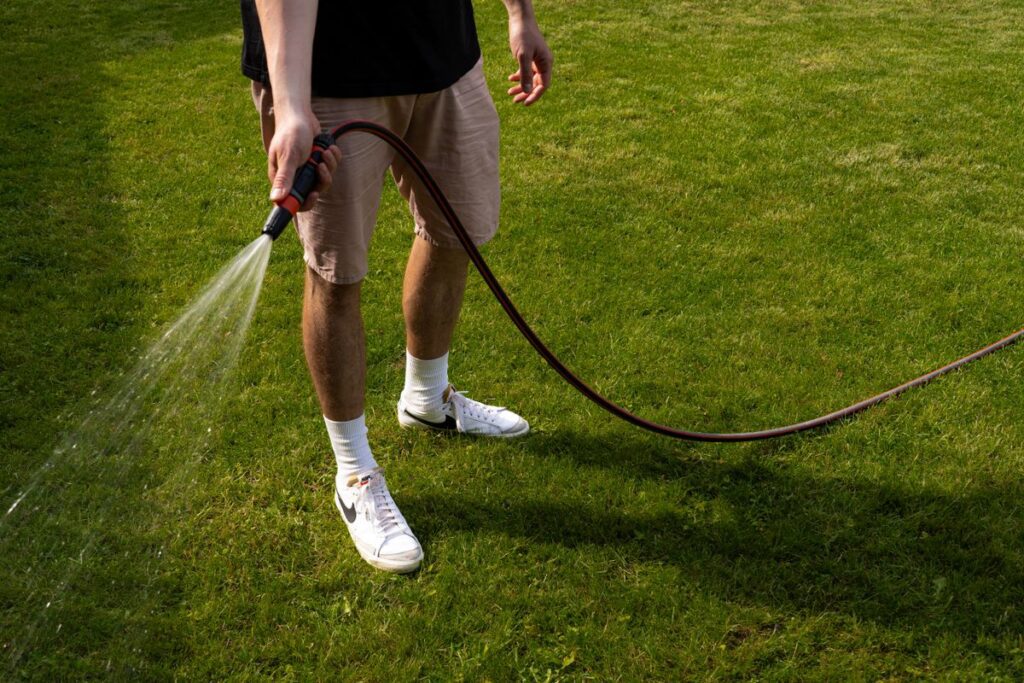
Hydroseeding uses a sprayed mixture containing grass seed, water, mulch and, depending on the application, fertiliser or other additives. The mixture is applied to prepared soil, where the seed germinates and develops into a lawn.
It is usually less expensive than sod because it does not involve purchasing and laying mature grass. However, hydroseeding does not provide an immediately usable lawn, and successful establishment depends on suitable weather, soil preparation, watering and seed selection.
Angi’s 2026 hydroseeding cost guide places typical professional application prices around $0.07–$0.26 per square foot.
Hydroseeding cost by lawn size
| Lawn size | Estimated application cost |
|---|---|
| 2,000 sq. ft. | $140–$520 |
| 5,000 sq. ft. | $350–$1,300 |
| 10,000 sq. ft. | $700–$2,600 |
These calculations use the published application range. Small projects may have minimum service charges, and extensive grading, soil amendments, erosion-control measures or follow-up work may be billed separately.
When is hydroseeding a good choice?
Hydroseeding can be a practical option for larger areas where the homeowner has time to wait for grass to establish. The sprayed mulch helps retain moisture around the seed, and the application can cover broad areas more efficiently than hand-seeding.
It may be suitable for:
- New construction where the ground has been prepared but no lawn exists.
- Larger residential lawns where sod would exceed the budget.
- Areas requiring vegetation to help stabilise exposed soil.
- Properties where the selected seed blend is appropriate for local conditions.
Hydroseeding still needs preparation and aftercare. If the soil is compacted, poorly graded or unsuitable for the chosen grass, the results may be patchy. Rainfall can also wash seed away from slopes before it establishes, so erosion-control measures may be needed.
How long does hydroseeded grass take to grow?
The timing varies with the grass species, temperature, soil moisture and growing conditions. Some grass may begin germinating within one to three weeks, but a usable lawn takes longer to establish. Homeowners should plan for regular watering, limited foot traffic and any recommended follow-up treatments.
Hydroseeding is therefore best suited to projects where lower initial cost matters more than having an immediately established surface.
3. How Much Does Artificial Turf Installation Cost?
Artificial turf is a manufactured grass-like surface installed over a prepared base. It eliminates mowing and fertilising the artificial grass itself, although it still needs cleaning, occasional brushing and periodic inspection.
Published cost estimates vary considerably. HomeGuide’s artificial turf cost guide lists broad installation ranges, while Angi’s 2026 artificial grass cost guide explains how turf type, base preparation, labour and drainage affect the final price.
For early budgeting, approximately $10–$25 per square foot installed is a reasonable broad planning range, with some projects falling outside it.
Artificial turf cost by lawn size
| Area | Estimated installed cost at $10–$25 per sq. ft. |
|---|---|
| 200 sq. ft. | $2,000–$5,000 |
| 500 sq. ft. | $5,000–$12,500 |
| 1,000 sq. ft. | $10,000–$25,000 |
| 1,500 sq. ft. | $15,000–$37,500 |
| 2,000 sq. ft. | $20,000–$50,000 |
These estimates illustrate the potential investment rather than a local contractor’s quote. The cost per square foot can be higher for small or intricate areas because cutting, edging and preparation take time regardless of the total size.
What makes artificial turf expensive?
Turf quality: Synthetic grass varies in fibre material, pile height, density, colour and durability. A product designed for heavy use may cost more than one intended for a small decorative area.
Ground preparation: Existing vegetation may need to be removed, and the ground must be shaped and compacted. An appropriate aggregate base helps create an even surface and supports drainage.
Drainage: Water needs to move through or around the turf system as intended. Poor preparation can result in puddling, uneven surfaces or persistent odours in pet areas.
Infill and accessories: Some systems require infill to support the fibres and improve performance. Edging, joining materials and other components also contribute to the price.
Shape and accessibility: Curves, garden borders, steps and obstacles increase cutting and fitting time compared with a simple rectangular lawn.
Is artificial turf cheaper over time?
Artificial turf can reduce routine mowing and fertilising, but it is not maintenance-free. It may need brushing, rinsing, debris removal and repairs. Depending on its quality, installation and use, eventual replacement may also be necessary.
Natural grass has recurring costs for mowing, water, fertiliser and lawn treatments, but these vary considerably by property and the level of care provided. A fair long-term comparison should include installation, annual maintenance, irrigation, repairs and potential replacement over the same period.
For that reason, it is not accurate to promise that artificial turf will always be cheaper over 10 or 12 years. The outcome depends on the natural lawn’s maintenance needs, the synthetic product selected and how long the installation lasts.
Is artificial turf suitable for pets and children?
It can be suitable for many family spaces, but product selection and installation matter. For pet areas, consider drainage, cleaning requirements, heat retention and how easily the surface can be rinsed. For children’s play areas, check the manufacturer’s safety specifications and the suitability of the complete installed system.
Artificial turf can become significantly hotter than natural grass in direct sunlight. Cooling products may help under some conditions, but performance varies with the product, weather and exposure. Do not rely on a universal claim that a particular infill will reduce temperatures by a fixed number of degrees.
4. Additional Costs to Include in Your Lawn Installation Budget
The grass or turf is only one part of the project. Depending on the existing yard, several additional services may be necessary.
| Additional item | What it covers |
|---|---|
| Old lawn removal | Cutting, lifting and disposing of existing turf |
| Grading and levelling | Correcting uneven areas and shaping the ground |
| Topsoil and soil amendments | Improving the soil where testing or site conditions indicate a need |
| Irrigation | Installing or modifying a sprinkler system |
| Drainage improvements | Addressing pooling, runoff or poor drainage before installation |
| Edging and landscape borders | Defining the lawn and separating it from beds or hardscape |
| Fertiliser and weed management | Supporting establishment and maintaining natural grass |
| Artificial turf base and edging | Preparing and securing the synthetic surface |
The cost of each item depends on the amount of work required. A lawn with healthy, workable soil may need little preparation, while a newly built property with compacted subsoil may require significant grading and soil improvement.
Why grading and drainage matter
A lawn should not simply look level; it should also direct water appropriately. Low spots can collect water, while poorly directed runoff can affect foundations, garden beds or neighbouring properties.
Before installing sod or hydroseeding, identify where roof runoff and surface water travel during heavy rain. Where necessary, correct the underlying grading or drainage problem before planting. Installing fresh grass over a persistent drainage issue may leave you paying to repair the same area later.
For properties with water-management concerns, Ware Landscaping’s yard drainage services provide a starting point for evaluating the site before new grass is installed.
5. How to Choose the Right Grass for Your Property
For homeowners in the Chicago suburbs, grass selection should account for cold winters, summer heat, sunlight, soil and how frequently the lawn will be used.
Cool-season grasses are generally the most suitable starting point for northern Illinois. Kentucky bluegrass is valued for its appearance and ability to recover from wear under suitable conditions. Tall fescue can be useful where deeper rooting and improved tolerance of some dry conditions are priorities. Fine fescues may suit selected shaded or lower-maintenance locations, although their performance depends on the particular site and blend.
The best choice is not necessarily the most expensive variety. A grass that matches the site’s light, soil and maintenance conditions is more likely to establish successfully.
Before ordering sod or seed, consider:
- Sunlight: Does the lawn receive full sun, partial shade or substantial shade?
- Traffic: Will the area be used for children, pets, entertaining or occasional viewing?
- Soil condition: Is the soil compacted, poorly drained or lacking suitable topsoil?
- Water availability: Can you provide consistent watering during establishment?
- Maintenance preferences: Are you comfortable with regular mowing, fertilising and seasonal lawn care?
A soil test can help identify pH and nutrient issues before installation. This allows you to address the soil based on its actual condition rather than applying amendments unnecessarily.
6. How to Care for New Sod After Installation
The first few weeks are important because the sod needs to develop roots in the underlying soil. The precise watering schedule depends on weather, soil drainage, grass type and the recommendations supplied by the installer.
Watering
Begin watering promptly after installation. Keep the sod and the soil immediately beneath it consistently moist during the initial rooting period, without leaving the area waterlogged. Several shorter watering sessions may be appropriate in warm, dry conditions, but a fixed number of daily sessions is not suitable for every property.
Check moisture below the sod rather than relying only on the surface appearance. Adjust watering after rainfall and reduce frequency as roots establish.
Mowing
Wait until the grass has rooted sufficiently to resist being lifted when gently tugged. The timing depends on growing conditions and may take longer than two or three weeks in cool weather. Use a sharp mower blade and avoid cutting more than one-third of the grass height in a single mowing.
Foot traffic
Limit unnecessary foot traffic while the sod is rooting. Walking, playing or moving heavy equipment across the lawn too early can shift the pieces and disturb the new roots.
Soil and drainage
If sections of the lawn repeatedly dry out, remain soggy or turn yellow, investigate the cause rather than assuming that more fertiliser is needed. Uneven watering, poor soil contact, drainage problems and unsuitable site conditions can all affect establishment.
7. Common Lawn Installation Mistakes to Avoid
A new lawn can fail even when the grass itself is good quality. Avoiding a few common mistakes can help protect your investment.
Skipping soil preparation: Sod needs suitable soil contact, while seed needs a properly prepared surface to germinate and establish.
Choosing the wrong grass: A variety that does not match local climate, sunlight or traffic conditions may struggle regardless of the installation method.
Ignoring drainage: Persistent puddles and saturated soil can undermine establishment. Correct significant drainage issues before installing the lawn.
Leaving gaps between sod pieces: Lay sod with edges fitting closely together and stagger the joints. Exposed gaps dry out more quickly and can allow weeds to establish.
Overwatering: Saturated soil can restrict oxygen around roots and encourage disease. Water according to conditions rather than following a rigid schedule regardless of rainfall.
Allowing premature traffic: New sod and germinating seed need time to establish. Keep unnecessary traffic off the area during the vulnerable early stages.
Comparing incomplete quotes: One contractor may include removal, topsoil and grading, while another may price only the installation. Ask for an itemised scope before deciding which offer provides better value.
Frequently Asked Questions
How long does sod take to establish?
Under suitable conditions, sod may begin rooting within one to two weeks, but full establishment can take longer. Weather, soil preparation, grass variety and watering all affect the process. Wait until the sod is firmly rooted before mowing or allowing heavy traffic.
Is hydroseeding cheaper than sod?
Generally, yes. Hydroseeding usually has a lower initial cost because it uses seed rather than mature grass. However, it takes longer to establish and may need additional care to protect the seed and encourage uniform growth. Sod is often more appropriate when immediate visual coverage or quicker erosion protection is a priority.
When is the best time to install sod in Illinois?
Spring and early fall are often favourable because temperatures are more moderate than during peak summer heat. The soil should be workable, and the grass should have enough suitable growing conditions to establish before extreme heat or freezing weather. Local weather and the specific grass variety should guide scheduling.
Does artificial turf need maintenance?
Yes. Although it eliminates mowing and fertilising the artificial surface, it still needs debris removal, occasional rinsing and brushing, and periodic checks of seams, infill and drainage. Pet areas may require more frequent cleaning.
Should I install sod or seed a lawn?
Choose sod when quick coverage is important, you want an established-looking lawn sooner, or the site needs prompt surface protection. Seeding or hydroseeding may suit larger areas and tighter budgets when you can allow more time for establishment. The decision should also account for the soil, slope, water availability and intended use of the lawn.
Why Work With Ware Landscaping?
A successful lawn installation involves more than laying grass or spraying seed. The site needs to be assessed, prepared and graded appropriately, and the installation method should match the property’s conditions.
Ware Landscaping can help homeowners plan outdoor improvements with attention to lawn preparation, grading and the way the finished lawn fits into the wider landscape. If your yard has uneven ground, drainage concerns or areas that struggle to grow grass, addressing those issues before installation can help prevent avoidable problems.
Whether you are replacing an existing lawn or starting from bare ground, a project-specific quote gives you a clearer picture of the work, materials and preparation involved.
Final Thoughts
The cost of sod and grass installation depends on the method you choose and the condition of the property. Basic sod installation may fall around $1–$2 per square foot, hydroseeding usually costs less upfront, and artificial turf requires a substantially larger initial investment.
The lowest advertised price is not always the least expensive solution in the long run. Consider site preparation, drainage, grass suitability, establishment time and ongoing maintenance before making a decision. An accurate estimate should explain what is included and identify any work needed to prepare the ground properly.
Ready for a Healthier, Better-Looking Lawn?
Let Ware Landscaping help you assess your yard, compare installation options and plan the preparation needed for a lawn that suits your property.
Get a Free Quote