
A patio or garden can turn chaotic at times, with chairs drifting out of place and tools collecting by the door. But even a few simple ideas borrowed from indoors, such as floating shelves on a covered wall or tucked into a garden nook, can make this outdoor area feel more intentional.
You do not need a huge yard or a luxury budget to fix the problem. Most outdoor clutter comes from too many things not having a clear home. Once you solve that, style gets much easier.
Keep reading, and you will see how to make your patio and garden feel cleaner and far more put-together without stripping away the personality that makes the space enjoyable.
Give each area one clear job
If the same patch of patio is where you eat, pot plants, stack extra cushions, dry watering cans, and park random bags from the car, it will always look messy, no matter how often you tidy it.
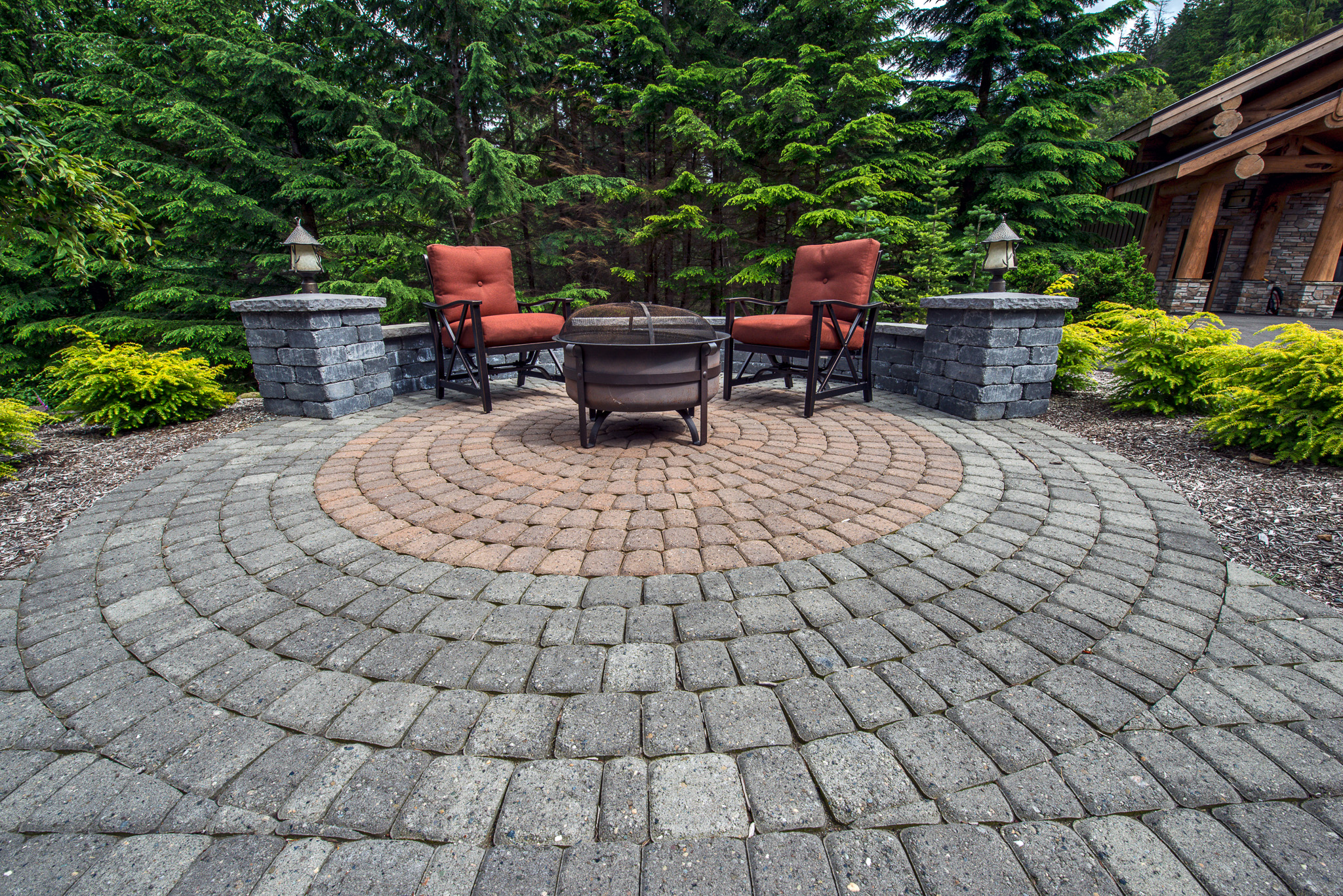
Instead, think in zones. Even in a small backyard, a bench and side table can create a lounge spot, while a storage cabinet or potting shelf can mark the garden zone. This is what makes outdoor spaces feel styled rather than crowded.
It also helps to put the most-used zone closest to the door. If you naturally walk outside with coffee, put your main chair there. If you grill often, keep serving surfaces near the house. Stylish spaces should feel easy.
Make each piece work harder
A clutter-free patio usually has less furniture than people expect, but the difference is that each piece earns its place.
A small stool can work as a side table or extra perch when guests show up, while nested tables are useful because they expand when needed and disappear when they are not.
This approach fits how people are actually using outdoor areas now, with 33% of homeowners upgrading outdoor spaces to extend their living space.
Once you start treating the patio like a room, random extras become easier to spot. If you would not leave plastic pots and unmatched side tables in your living room, they probably do not belong all over your patio either.
Use materials that calm the space down
Wicker, black metal, gray plastic, shiny resin, bright ceramic, raw concrete, and painted wood can all work individually, but they rarely feel calm when piled together.
Choose a smaller palette and repeat it, because once you narrow the material story, everything starts to feel more connected.
Custom wood furniture makes the most sense in this scenario. A compact dining table or narrow console made for the space not only looks more intentional, but they prevent you from buying oversized pieces that create chaos. The best outdoor pieces fit the space properly rather than make the biggest statement.
As a bonus tip, if you want the space to look polished, repeat shapes as well as finishes. Rounded planters and slatted wood details can really tie the space together.
Build maintenance into the design
A stylish patio does not stay stylish if it is annoying to maintain. A lot of outdoor setups look great for two weekends, then fall apart as soon as real life enters the chat.
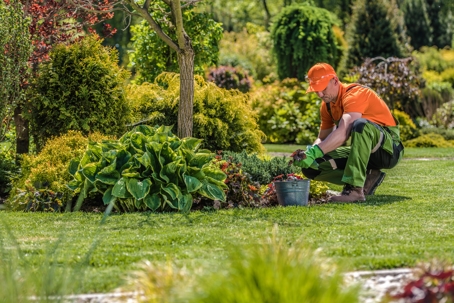
If mowing, edging, trimming, and cleanup require dragging equipment through your seating area or moving a dozen decorative items every time, your lawn maintenance system is broken.
Design for ease by keeping a direct path for tools. Use fewer small objects in lawn-adjacent areas and choose beds that are easy to edge. Add gravel or ground cover where it reduces muddy transitions and cuts cleanup.
A clutter-free space should be easy to reset in five minutes. If it takes 30, it will not stay tidy for long.
Let lighting do some of the organizing
Good outdoor lighting creates structure and tells the eye where to look, which can make the whole space feel more orderly after dark.
The key is to avoid turning your yard into a lighting showroom. A few layers work better than a dozen competing fixtures, so focus on entries, seating, dining, and paths. Hide cords when possible and skip novelty lights unless they genuinely suit the space.
Think beyond appearance
It is easy to treat patio organization as a cosmetic issue, but it has practical value too. Outdoor spaces that look maintained tend to feel more usable and worth investing in.
Obviously, that does not mean you should redesign your yard for resale alone. However, neatness, upkeep, and functional improvements are rarely wasted effort. Even small changes, such as better storage or a more defined seating area, can make the whole property feel more cared for.
In a clutter-free garden, every item has a role, and every zone has a purpose. When you approach it that way, style begins to walk hand in hand with order.