
Your front yard is the first thing people see when they pull up to your home. It’s more than just a patch of grass; it’s a handshake, a first impression, and a significant factor in your property’s overall value. In fact, research suggests that high-quality landscaping can boost a home’s resale value by as much as 20%.
For many homeowners, however, looking at an empty lot or an overgrown mess leads to one big question: how do I landscape my front yard without feeling overwhelmed? Between varying climates, soil types, and the sheer variety of plants available, the process can seem complex. We believe that a beautiful front yard should be accessible to everyone. Whether you are looking for a DIY weekend project or a full-scale professional redesign, this guide will walk you through the essential steps and basic front yard landscaping ideas to transform your outdoor space.
1. Planning: How Do I Landscape My Front Yard for Success?
Before you pick up a shovel and gloves, you need a plan. Rushing into a plant nursery without a strategy is one of the quickest ways to waste money on greenery that won’t survive the season. If you are asking yourself, “how do I landscape my front yard properly?” the answer starts with assessment.
Assess Your Environment
- Sunlight Patterns: Spend a day tracking where the sun hits. Is your yard “Full Sun” (6+ hours), “Partial Shade,” or “Full Shade”?
- Soil Quality: Different plants require different pH levels and drainage. A simple soil test kit from a local hardware store can tell you if your soil is sandy, clay-heavy, or loamy.
- The USDA Plant Hardiness Zone: This is the most critical tool for any gardener. In the USA, zones range from 3a (chilly Northern regions) to 13b (tropical climates). Knowing your zone ensures you choose plants that can survive your local winters. You can find your specific zone at planthardiness.ars.usda.gov.
Set Your Goals
Are you looking for privacy from the street? Do you want a low-maintenance “set it and forget it” garden? Or are you aiming for a show-stopping floral display? Defining your goals early will dictate your budget and your plant selection.
2. Basic Front Yard Landscaping Ideas for Every Home
If you want a professional look without a massive construction project, starting with these basic front yard landscaping ideas can provide immediate impact:
- Define Your Edges: Use brick, stone, or professional-grade plastic edging to create a sharp line between your lawn and your garden beds. This simple step instantly makes a yard look “finished.”
- Fresh Mulch: One of the most effective basic front yard landscaping ideas is applying 3 inches of dark wood mulch. It suppresses weeds, retains moisture, and provides a clean, uniform background for your plants.
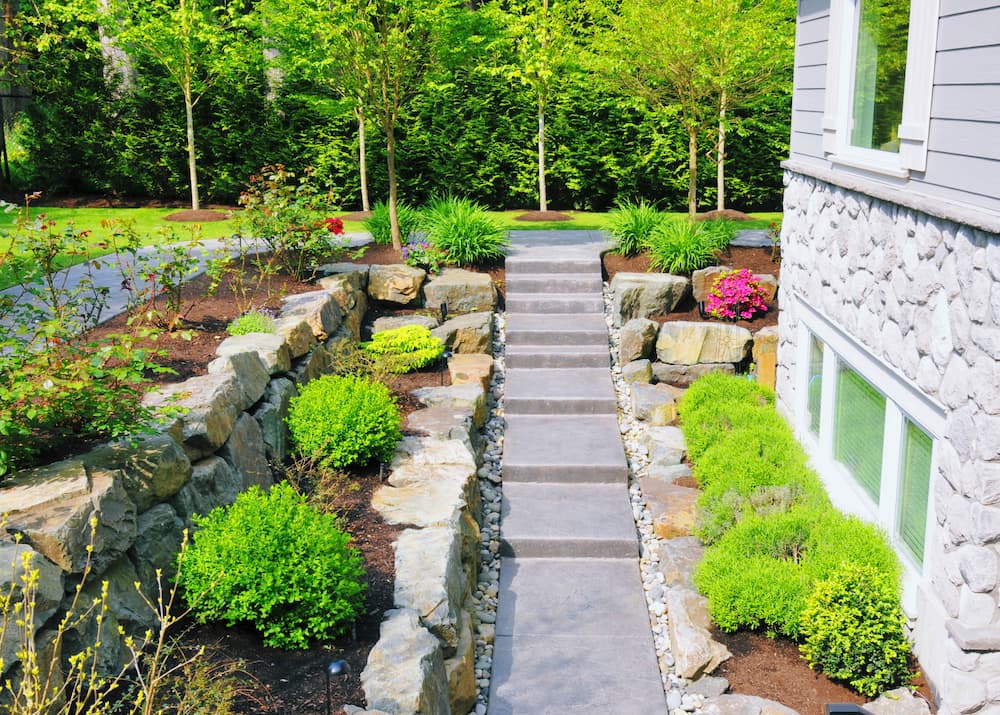
- Upgrade Your Walkway: Instead of a simple concrete path, consider adding gravel, stepping stones, or a border of pavers to lead guests to your door.
- Window Boxes and Planters: If you aren’t ready to dig up the lawn, use elevated planters or window boxes to add pops of color and architectural interest to the home’s facade.
- Plant in Odd Numbers: In design, groups of three or five look more natural than pairs. This is a staple among basic front yard landscaping ideas for creating a balanced aesthetic.
3. Design Principles for Maximum Impact
Great landscaping follows a few basic design rules that help the space feel balanced and professional.
Proportionality and Scaling
A common mistake is planting a tiny shrub next to a massive two-story house, or a giant oak tree in a tiny suburban plot. As a rule of thumb, your plants should reach about two-thirds of your home’s height at maturity to balance the facade properly.
Creating a Focal Point
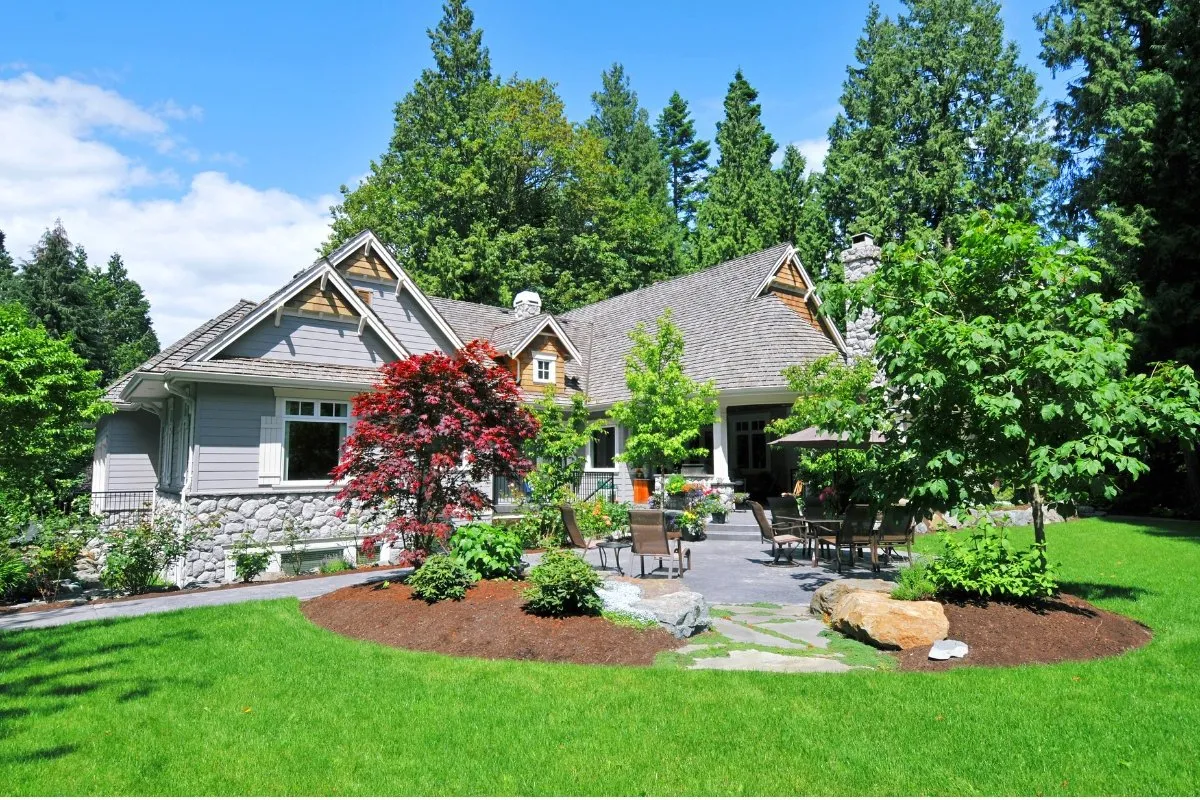
Every yard needs a “star of the show.” This could be a specimen tree (like a Japanese Maple), a high-quality hardscape feature (like a stone fountain), or a beautifully designed walkway leading to the front door.
Layering for Depth
Don’t just plant a single row of flowers. Layer your landscaping from back to front:
- Background: Tall evergreens or shrubs against the house.
- Midground: Medium-sized perennials or ornamental grasses.
- Foreground: Low-growing groundcovers or seasonal annuals.
4. Regional Considerations: Choosing the Right Plants
Because the USA has such diverse climates, the answer to “how do I landscape my front yard” changes depending on where you live.
| Region | Climate Type | Recommended Plants | Expert Tip |
| Northeast / Midwest | Cold winters, humid summers | Spruce, Coneflowers, Hostas, Dogwoods | Prioritize “Winter Interest” with evergreens so the yard isn’t bare in January. |
| Southeast | Hot, humid, high rainfall | Azaleas, Crape Myrtles, Gardenias | Use native plants that can handle high humidity without developing mildew. |
| Southwest | Arid, desert heat | Agave, Succulents, Lavender, Sages | Focus on Xeriscaping (water-wise landscaping) to save on utility bills. |
| Pacific Northwest | Rainy, temperate | Ferns, Rhododendrons, Japanese Maples | Ensure your soil has excellent drainage to handle the frequent rain. |
5. Budgeting Your Project
Landscaping costs can vary wildly. While a professional full-yard redesign for a 500-square-foot area typically ranges from $2,250 to $6,000, there are ways to scale your project.
- The DIY Budget (<$1,000): Focus on the basic front yard landscaping ideas mentioned above, like mulch, edging, and small perennials.
- The Mid-Range Refresh ($1,500 – $5,000): This covers professional soil amendment, a new gravel or paver walkway, and a complete “softscaping” (planting) of your front beds.
- The Premium Overhaul ($10,000+): Includes structural hardscaping like retaining walls, professional lighting systems, and mature tree installation.
6. Common Pitfalls to Avoid
Even seasoned gardeners make mistakes. Here are the most frequent errors we see:
- Ignoring Mature Size: That cute little shrub might grow to be 10 feet wide. Always read the tag to ensure it won’t block your windows in three years.
- Over-Decorating: Too many lawn ornaments and gnomes can make a yard look cluttered. Stick to one or two high-quality accents.
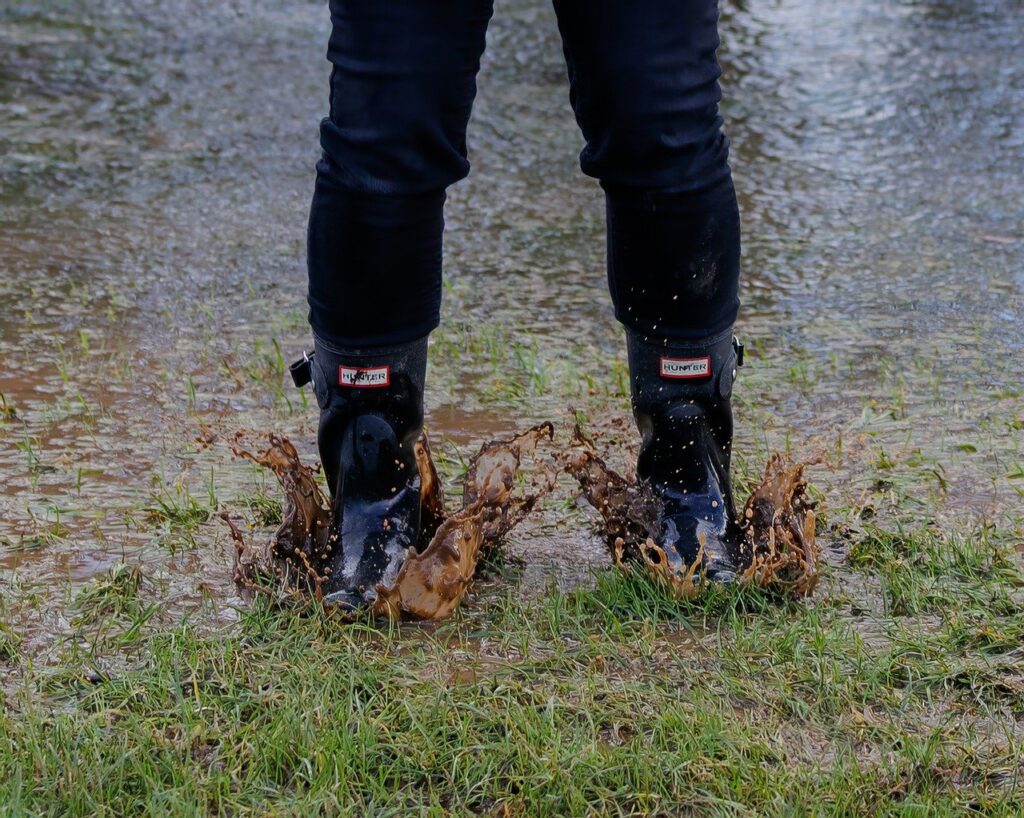
- Poor Drainage: If water pools near your foundation, your landscaping needs to be graded. Improper grading can lead to expensive basement leaks.
7. Eco-Friendly and Sustainable Choices
Modern landscaping is moving toward more sustainable options.
- Native Plants: These require less water and fewer pesticides because they are naturally adapted to your local environment.
- Rain Gardens: If you have a low spot in your yard, plant water-loving natives there to help filter runoff.
- Pollinator Gardens: Choose plants that provide nectar for bees and butterflies, supporting your local ecosystem.
Let Ware Landscaping Help
Transforming your front yard is one of the most rewarding home improvement projects you can undertake. It provides a daily sense of pride and serves as a welcoming beacon to your neighbors.
However, we know that your time is valuable. Between soil testing, heavy lifting, and seasonal maintenance, landscaping is hard work. If you find yourself still wondering, “how do I landscape my front yard while keeping it stress-free?” — we are here to help.
Ware Landscaping offers professional residential and commercial landscaping services tailored to your specific needs. From seasonal cleanups to full-scale hardscape installations, our team is reliable, professional, and ready to handle your property’s challenges.
Ready to boost your curb appeal?
Contact Ware Landscaping today for a consultation. Let’s turn your vision into a reality.
- Services: Residential/Commercial Landscaping, Hardscaping, Seasonal Maintenance, and Snow Removal.
- Get in touch: https://warelandscaping.com/