
Soil preparation determines whether a native plant garden thrives or struggles. Among the tools that make the difference, the cultipacker stands out for its ability to transform loose, clumpy soil into a firm, even seedbed that supports strong germination and root development.
Whether you’re establishing a backyard habitat garden or preparing a larger food plot, understanding how cultipackers work—and which type suits your needs—can significantly improve your results. From pull-behind models for expansive areas to water-filled variants that add compaction weight, these tools address fundamental soil structure challenges that affect plant establishment.
Understanding Cultipacker Function and Design
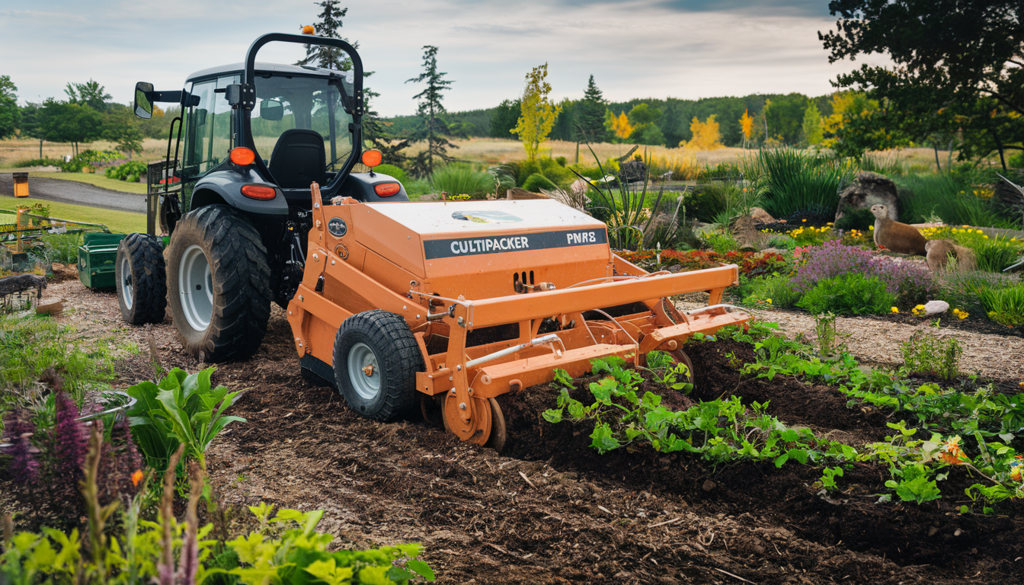
A cultipacker is an agricultural implement designed to firm soil and break up surface clumps after tilling or disking. The tool consists of a series of heavy, ridged rollers that press soil particles together, creating the consistent seed-to-soil contact necessary for reliable germination.
The design has evolved considerably since early agricultural mechanization. Soil preparation tools have progressed from simple drag harrows to sophisticated implements that address specific seedbed requirements.
Modern cultipackers come in several configurations:
-
Pull-behind cultipacker: Towed by tractors or ATVs, these models handle larger acreage efficiently and work well for food plot preparation.
-
Water-filled cultipacker: Hollow drums that can be filled with water to adjust weight based on soil conditions and compaction needs.
-
Cultipacker seeder: Combination units that plant and pack in a single pass, reducing equipment requirements and labor time.
Soil Structure Benefits for Plant Establishment
The primary advantage of cultipacker use lies in how it transforms soil physical properties. Here’s what happens when you run a cultipacker over prepared ground:
-
Eliminates air pockets: Large voids between soil particles prevent seeds from accessing consistent moisture. Firming the seedbed ensures capillary action can draw water to germinating seeds.
-
Breaks surface crust: The ridged roller design fractures hardened soil surfaces while simultaneously pressing the layer beneath, creating an ideal microenvironment for emerging seedlings.
-
Levels planting surface: Uneven terrain leads to inconsistent planting depth and water pooling. A food plot roller creates the uniform surface that promotes even germination across the entire planting area.
-
Improves seed placement: When seeds rest firmly against soil particles rather than suspended in loose material, they germinate faster and develop stronger initial root systems.
Research on soil health principles emphasizes that proper seedbed preparation directly influences plant establishment success, particularly for native species that may have specific germination requirements.
Combining Planting and Packing Operations
A cultipacker seeder integrates two critical steps into one efficient operation. The front roller firms the soil, the seeding mechanism distributes seed at the proper rate and depth, and the rear roller ensures good seed-to-soil contact.
This approach offers several practical advantages:
-
Reduces equipment passes: Fewer trips across the field means less soil compaction in wheel tracks and lower fuel consumption.
-
Maintains moisture: Minimizing the time between soil preparation and seeding prevents surface drying that can delay germination.
-
Ensures consistent depth: The firmed seedbed created by the front roller provides a stable surface that prevents seeds from being planted too deep or too shallow.
-
Improves efficiency: Single-pass planting significantly reduces the time required to establish food plots or native plantings, particularly valuable during narrow planting windows.
Supporting Soil Conservation and Water Management
Beyond immediate planting benefits, cultipackers contribute to longer-term soil and water conservation objectives that align with sustainable land management practices.
-
Reduces erosion risk: Firmed soil resists wind and water erosion better than loose, fluffy seedbeds. The surface texture created by cultipacker ridges also slows water movement, reducing runoff velocity.
-
Enhances moisture retention: Proper soil firming creates smaller pore spaces that hold water through capillary action, extending the time plants can access soil moisture between rain events.
-
Minimizes dust: In dry conditions, loose soil generates dust that can smother emerging seedlings. A roller packer creates enough surface stability to prevent this problem while maintaining adequate porosity for air exchange.
-
Supports soil biology: Moderate compaction brings soil particles into contact, facilitating the movement of beneficial microorganisms and the formation of soil aggregates that improve long-term structure.
Selecting Equipment for Your Situation
Choosing the right cultipacker requires matching equipment specifications to your specific conditions and objectives. Consider these factors:
-
Area size: Small gardens may need only a compact, manually operated model, while food plots spanning several acres justify investment in a pull-behind cultipacker — brands like Packer Maxx, Gandy, and Plotmaster each offer models scaled for larger ground coverage.
-
Soil texture: Heavy clay soils often require more weight to achieve proper firming. A water-filled cultipacker allows you to adjust compaction force by adding or removing water based on soil moisture and texture.
-
Towing capacity: Match implement weight and width to your tractor or ATV specifications. Undersized equipment won’t firm soil adequately; oversized implements can cause excessive compaction or equipment strain.
-
Plant species: Native prairie species and small-seeded forbs need extremely firm seedbeds, while larger seeds tolerate slightly looser conditions. Some cultipacker seeders allow adjustment of both seeding rate and roller pressure.
-
Terrain characteristics: Sloped or uneven ground requires equipment with flexible frames that maintain consistent ground contact across varying topography.
Proper maintenance extends equipment life and ensures consistent performance:
-
Inspect bearings and seals before each season, replacing worn components before they fail in the field.
-
Clean soil buildup from rollers after use, particularly when working heavy clay that can harden and create imbalanced rotation.
-
Store implements under cover to prevent rust and weather damage to metal surfaces and mechanical components.
-
Check roller alignment periodically, as uneven wear or bent frames reduce effectiveness and create inconsistent seedbed preparation.
Field Results from Cultipacker Applications
Practical experience often reveals benefits that aren’t immediately obvious from equipment specifications alone. Several examples illustrate how cultipackers solve real-world planting challenges:
-
Prairie restoration project: A conservation organization establishing native grasses on former cropland struggled with poor germination until incorporating a cultipacker into their seeding protocol. The firmed seedbed improved germination rates from roughly 30% to over 70%, dramatically reducing reseeding costs.
-
Food plot establishment: A wildlife manager preparing plots for deer and turkey found that using a cultipacker seeder reduced planting time by half compared to separate seeding and packing operations, allowing timely establishment even during compressed planting windows.
-
Backyard habitat garden: A homeowner converting lawn to native plantings discovered that a small pull-behind cultipacker eliminated the air pockets that had caused previous seeding failures, resulting in dense, even plant establishment across the entire conversion area.
-
Erosion control seeding: A contractor stabilizing disturbed slopes found that cultipacker use significantly improved seed-to-soil contact on uneven terrain, establishing vegetation cover faster and reducing erosion during the critical establishment period.
Making the Investment Work
For gardeners and land managers committed to establishing successful native plantings, a cultipacker represents a practical investment in improved outcomes. The tool addresses fundamental soil preparation requirements that directly influence germination success and plant establishment.
Key advantages include:
-
Improved germination consistency: Proper seedbed firming eliminates the variable conditions that cause patchy, uneven plant establishment.
-
Resource efficiency: Better germination means less wasted seed and fewer replanting operations, reducing both material costs and labor requirements.
-
Long-term soil benefits: Appropriate compaction supports soil structure development and water management that benefit plantings for years beyond initial establishment.
Whether you’re establishing a small native garden or managing larger food plots and habitat areas, understanding cultipacker function and application helps ensure your soil preparation supports the plant establishment you’re working to achieve.