
Water damage represents one of the most common and costly threats facing U.S. property owners today. According to industry data and comprehensive water damage statistics, approximately 98% of U.S. basements will experience some form of water damage during their lifespan, while 99% of U.S. counties experienced a flood event between 1996 and 2019. Whether triggered by sudden severe weather, localized groundwater seepage, or internal plumbing failures, standing water in a basement introduces immediate structural, financial, and health risks to a home.
Managing this crisis and executing an effective flooded basement cleanup requires swift action, an understanding of professional restoration standards, and proactive exterior property management to keep water away from your foundation. This guide outlines the primary causes of basement flooding, the professional restoration process, insurance realities, and practical preventative solutions.
Primary Causes of Basement Water Intrusion
Basement flooding generally stems from common causes like internal mechanical failures or external environmental conditions. Identifying the root cause is critical for effective remediation and for implementing permanent prevention strategies.
Check Our Recent Work On Drainage and Flooding
- Surface Water Intrusion: Clogged or improperly positioned gutters and downspouts frequently discharge heavy rainfall directly adjacent to the foundation. When soil surrounding a property slopes inward rather than away from the structure, surface runoff naturally channels toward basement walls.
- Hydrostatic Pressure: During periods of sustained precipitation or rapid snowmelt, the surrounding water table rises. This creates immense hydrostatic pressure, forcing groundwater through small cracks in basement floors, wall seams, and foundation masonry.
- Sewer and Drain Backups: Overwhelmed municipal storm sewer systems, tree root penetrations, or blockages in main sewer lines can force contaminated waste or gray water backward into basement floor drains.
- Equipment and Plumbing Failures: Sump pumps can fail due to power outages, clogged discharge lines, or mechanical wear. Additionally, burst frozen pipes, leaking water heaters, and ruptured washing machine supply hoses are leading causes of sudden indoor flooding.
Water Hazard Classifications and Health Risks
Restoration professionals follow the ANSI/IICRC S500 Standard for Professional Water Damage Restoration, which classifies water damage based on contamination levels:
- Category 1 (Clean Water): Originates from sanitary sources such as broken water supply lines or clean rainwater before ground contact. Prompt extraction is necessary, as Category 1 water can degrade into higher contamination levels over time.
- Category 2 (Gray Water): Contains significant physical, chemical, or biological contaminants. Common sources include discharge from washing machines, dishwashers, toilet overflows containing urine, and hydrostatic seepage. Exposure can cause discomfort or illness.
- Category 3 (Black Water): Grossly contaminated water carrying severe pathogens, toxins, or sewage. Examples include river flooding, seawater, ground surface runoff, and sanitary sewer backups. Category 3 water presents severe biological risks.
In addition to immediate contamination hazards, excess moisture triggers rapid biological risks. Mold growth can begin within 24 to 48 hours on damp, porous materials such as drywall, carpeting, insulation, and wood framing. Inhaling mold spores can cause respiratory issues, severe allergic reactions, and asthma attacks—particularly in children, the elderly, and immunocompromised individuals. Furthermore, standing water poses electrical hazards and can compromise structural elements if left untreated.
The Professional Flooded Basement Cleanup Process
Remediating basement water damage requires a systematic approach to ensure safety and complete moisture removal, following standard professional cleanup process guidelines. Taking on this project as a DIY task carries massive risks, including hidden moisture leading to structural rot, severe health hazards from contaminated water, and the potential voiding of insurance claims.
Certified restoration technicians typically execute the following steps to ensure a thorough flooded basement cleanup:
- Emergency Inspection and Hazard Assessment: Technicians evaluate the water category and class, check for electrical hazards, and document initial moisture readings for insurance claims.
- Water Extraction: High-capacity pumps and industrial vacuum extractors rapidly remove standing surface water to halt further absorption.
- Removal of Unsalvageable Materials: Saturated, porous materials—especially those contaminated by Category 2 or 3 water—must be removed and disposed of properly. This includes carpet padding, drywall sections, and insulation.
- Drying and Dehumidification: Industrial air movers and commercial dehumidifiers dry hidden moisture inside walls and subfloors over a 24- to 72-hour period.
- Sanitization and Odor Control: Antimicrobial treatments are applied to disinfect structural surfaces, eliminate bacteria, and neutralize residual odors.
- Structural Restoration and Clearance: Technicians use moisture meters to confirm that building materials have returned to safe moisture standards before structural repairs begin.
Cost Breakdown and Insurance Realities
Flooded basement cleanup costs depend heavily on square footage, the contamination category, and whether the space is finished or unfinished, with average project cost figures outlined below:
| Flood Condition / Severity | Typical Cost Range |
| Minor Seepage (Unfinished Space) | $500 – $2,500 |
| Moderate Clean Water (Finished Basement) | $2,500 – $9,000 |
| Severe / Contaminated Sewage Water | $5,000 – $20,000+ |
| National Average Project Cost | ~$4,000 ($3–$7 per sq. ft.) |
Understanding insurance coverage is vital during a flood emergency:
- Standard Homeowners Policies: Generally cover sudden and accidental internal incidents, such as a burst water pipe. They typically exclude external flood damage, groundwater seepage, and sewer backups unless specialized endorsements are added.
- National Flood Insurance Program (NFIP) & Private Flood Insurance: Covers external surface flooding. However, detailed flood insurance coverage rules note that NFIP basement coverage is limited: building coverage usually applies to structural foundations and major equipment (furnaces, water heaters, sump pumps), while excluding finished walls, custom flooring, and personal items stored in basements.
Long-Term Prevention: Exterior Water Management
Preventing water from reaching the foundation is the most effective strategy for avoiding costly flooded basement cleanup. While internal waterproofing methods are helpful, managing the exterior landscape is your crucial first line of defense. Key defensive measures include:
- Optimize Landscaping and Grading: Ensure soil slopes away from the foundation at a rate of 6 to 8 inches over the first 10 feet. Over time, soil can settle around a home’s perimeter. Professional regrading ensures that gravity pulls water away from your basement walls.
- Maintain Seasonal Property Care: Regular spring and fall cleanups are essential. Clearing leaves, debris, and branches from your property prevents gutters from overflowing and keeps surface water from pooling near the foundation.
- Extend Downspouts: Maintain clean gutters and ensure downspouts extend at least 10 feet away from the home’s foundation.
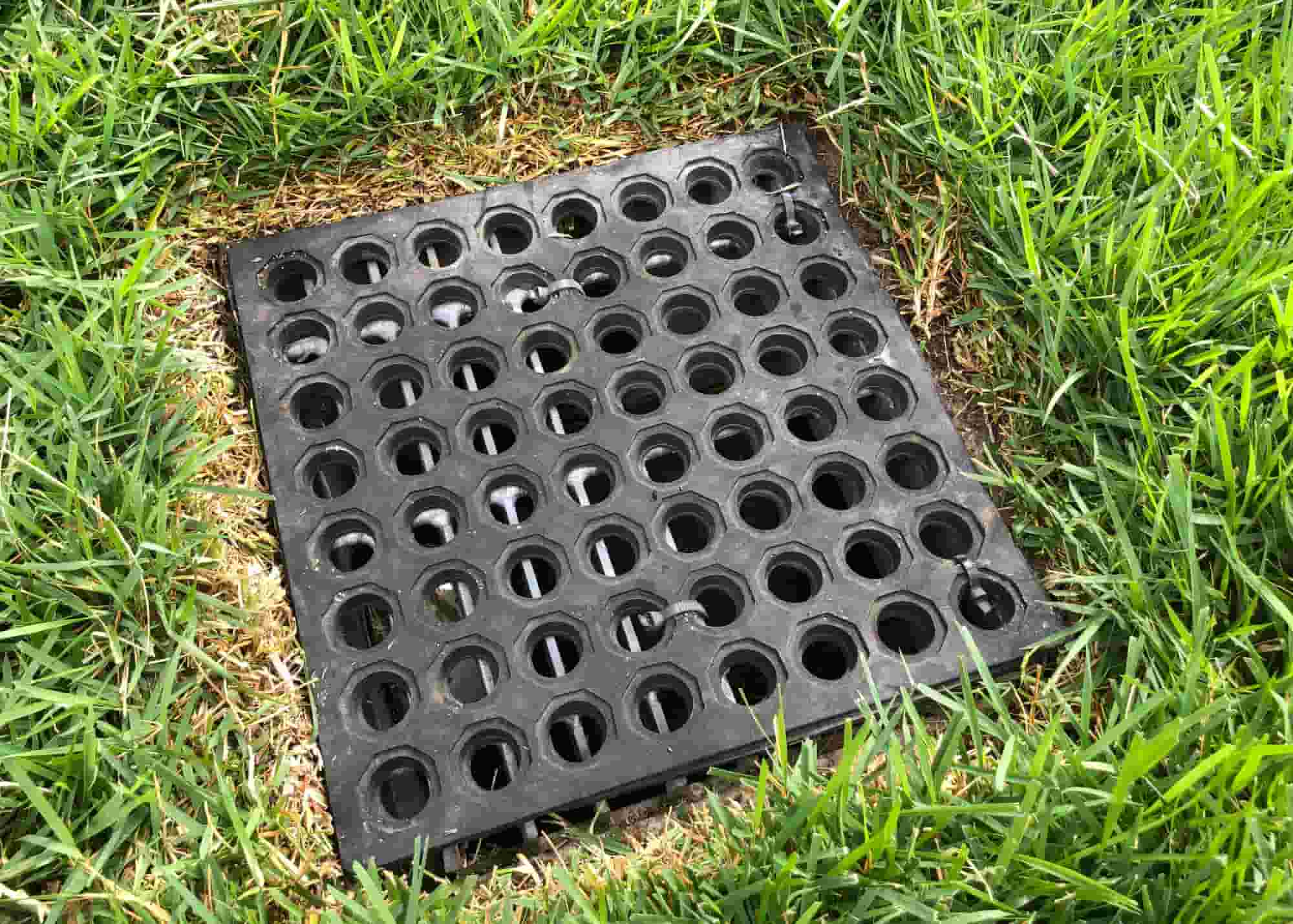
- Install Exterior Drainage Solutions: Solutions such as swales, catch basins, and exterior French drains intercept surface water before it generates hydrostatic pressure against foundation walls.
- Plan Smart Hardscaping: When installing driveways, walkways, or patios, professional hardscape installation ensures these surfaces are properly pitched so that runoff flows away from the home, rather than toward basement windows and doors.
- Maintain Sump Pump Systems: Install a reliable sump pump equipped with a battery backup system to maintain operation during storm-related power outages.
Protecting Your Home Investment
Basement water damage presents complex health hazards, financial consequences, and structural challenges. Timely professional flooded basement cleanup paired with smart preventative exterior drainage offers the strongest defense for your home. By addressing surface water management early—through proper grading, drainage, and seasonal landscape maintenance—homeowners can protect their basements from future flooding events.
Don’t wait until the next heavy storm to find out if your property’s drainage is sufficient. For expert support with landscape regrading, swales, hardscape installation, and comprehensive exterior drainage solutions, contact the professional team at Ware Landscaping today.