
As solar energy adoption continues to grow across the United States with over 4 million installations nationwide as of 2025 many homeowners are facing a common winter dilemma: Should you remove snow from your solar panels, and if so, how do you do it safely?
While solar panels are designed for durability, heavy accumulation can reduce energy output by up to 100% in severe cases. However, improper removal can lead to micro-cracks, voided warranties, or dangerous falls. In this guide, we break down the facts, the tools you need, and the best practices for maintaining your solar efficiency during the winter months.
Understanding Snow’s Impact on Efficiency
Before grabbing a ladder, it is important to know that snow is rarely a permanent threat to your system. Most modern panels are built with advanced engineering to handle the elements.
- Natural Melting: Solar panels are dark and absorb heat. Even in sub-zero temperatures, they often stay to warmer than the surrounding air. This “thermal lag” often causes a thin layer of meltwater to form between the panel and the snow, allowing the accumulation to slide off on its own.
- Energy Loss Facts: Research from the National Renewable Energy Laboratory (NREL) shows that annual energy loss from snow is typically only 1–5% in most US climates. This is because panels shed snow quickly once the sun emerges, and winter days have fewer peak sun hours anyway.
- Weight Loads and Structural Integrity: Most US-installed panels are engineered to handle 20–50 pounds per square foot (psf) to comply with International Building Code (IBC) standards. While a light dusting is harmless, heavy, “wet” snow common in the Pacific Northwest or Northeast can add significant stress to the mounting hardware.
When Should You Intervene?
Intervention is a balance between energy recovery and risk management. You don’t need to clear your panels after every flurry. We recommend action only when:
- Accumulation exceeds 4–6 inches and freezing temperatures are forecasted for several days.
- Net Metering concerns: If you rely on winter production to build credits for your utility bill, clearing panels after a major storm can recover up to 90% of lost production.
- Ice Dams: If you notice ice forming at the base of the panels, it can prevent drainage and lead to moisture intrusion under your shingles.
Safe and Effective Removal Methods
Safety is the absolute priority. If your panels are high up or on a steep pitch, do not attempt to climb the roof without professional gear. Falls are a leading cause of home maintenance injuries.
Manual Removal (Best for Most Homes)
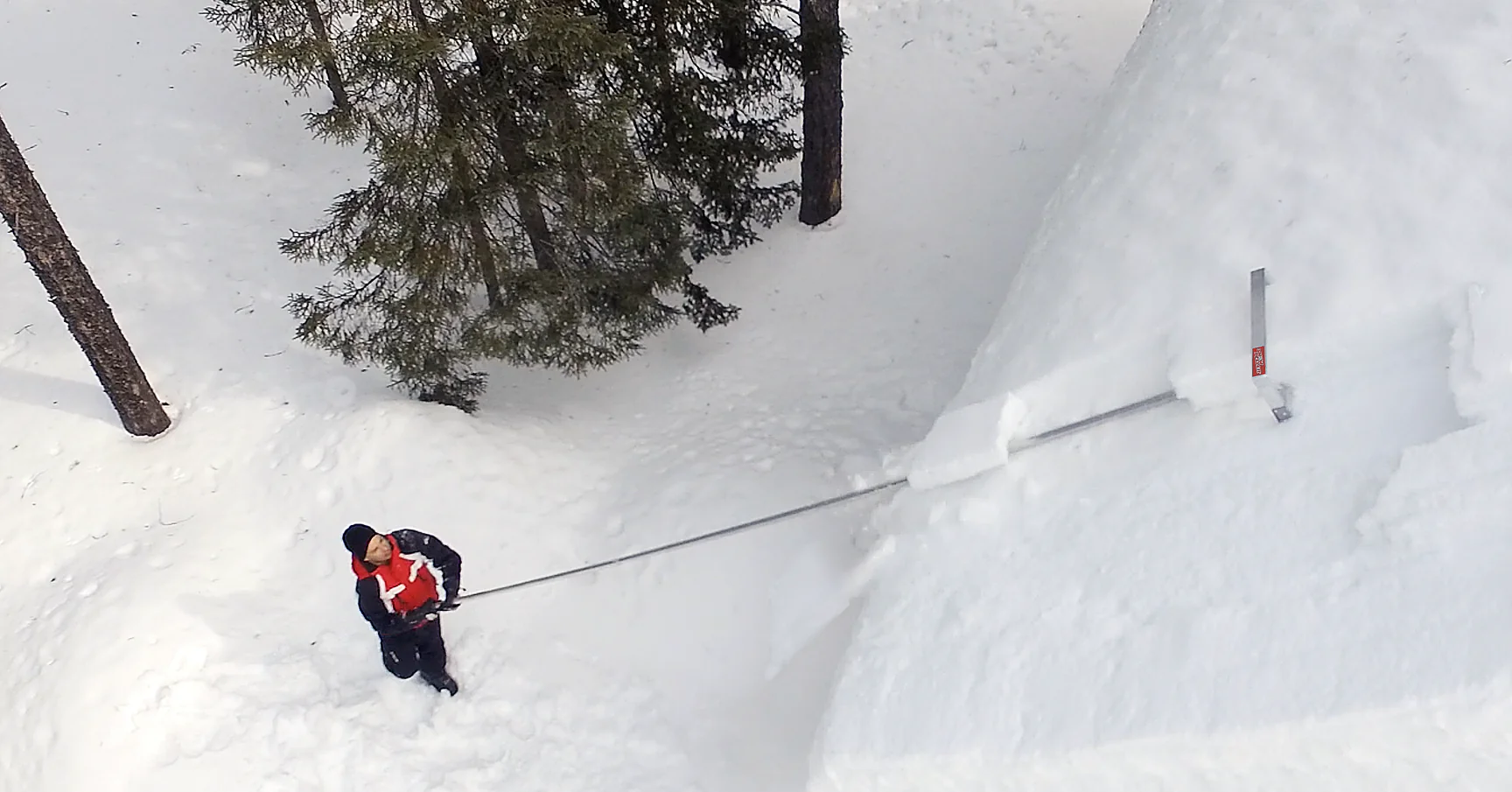
Use extendable, ground-based tools to clear snow without putting yourself at risk.
- Plastic Roof Rakes: Look for models specifically designed for roofs (like the Avalanche or Garelick). They must have a plastic blade. Never use metal scrapers, as they will scratch the anti-reflective coating on the tempered glass.
- Foam Squeegees: For lighter snow, a telescopic pole with a foam head is the gentlest way to clear the surface without leaving streaks or residue.
- The Technique: Always start from the bottom of the array and work your way up, pulling the snow downward. This prevents a “snow avalanche” from falling on you and ensures you aren’t pushing heavy weight onto the top of the panels, which can cause micro-cracks in the silicon cells.
Passive and Automated Solutions
- Optimal Tilt: US installations are typically angled at 25–35 degrees. This tilt, combined with the slick surface of the panels, handles 70% of snow removal through gravity alone.
- Heating Systems: For commercial properties or homeowners in “snow-belt” regions (like Buffalo, NY or Minneapolis, MN), electric heating mats or cables can be installed to melt snow as it falls.
- Nano-Coatings: Hydrophobic sprays can be applied during the fall. Much like Rain-X for a windshield, these coatings reduce the “grip” snow has on the glass.
| Tool Type | Best For | Risk Level |
| Plastic Roof Rake | Ground-based clearing of 4″+ snow | Low |
| Soft Foam Squeegee | Light dusting and finishing | Low |
| Natural Melting | Small accumulations/Sunny days | None |
| Pressure Washer | DO NOT USE (Can crack cold glass) | High |
| Metal Shovel | DO NOT USE (Scratches/Voided Warranty) | High |
Critical Safety Warnings
To protect your investment and your health, follow these “Never” rules:
- Avoid Thermal Shock: Never spray hot water on cold panels. The sudden temperature shift can cause the tempered glass to shatter instantly.
- No Corrosive Chemicals: Never use rock salt, de-icers, or car windshield fluid. These chemicals can corrode the aluminum frames and degrade the seals that keep moisture out of the electrical junction boxes.
- Electrical Hazards: Snow can occasionally hide loose wiring or damaged conduit. If you see any exposed wires, stop immediately and call a professional. It is also wise to shut off your inverter before manual clearing to be safe.
- Weight Limits: Never walk on your panels. Even if they don’t break, the pressure from your feet creates invisible micro-fractures that reduce the lifespan of the panels by years.
Regional Insights Across the USA
- Northeast & Great Lakes: Heavy, “sticky” snow is common. Residents in New York and Michigan should invest in a high-quality extendable roof rake.
- The Rockies: High elevation means more snow, but the air is drier. In places like Denver, the sun is intense enough that “passive melting” usually does the job within 24 hours.
- Pacific Northwest: The snow is often very wet and heavy. Clearing the bottom edge of the panels is crucial to prevent the snow from “bridging” and staying stuck.
Post-Winter Panel Care
Once the snow season ends, your panels may be covered in a film of soot, salt spray (if you live near a road), or pollen.
- Rinse with a Hose: A simple rinse with a garden hose (from the ground) in early spring will wash away most residue.
- Professional Inspection: Every 2–3 years, have a professional check the mounting hardware and electrical connections to ensure winter winds and heavy snow didn’t loosen any components.
Professional Support for Your Property
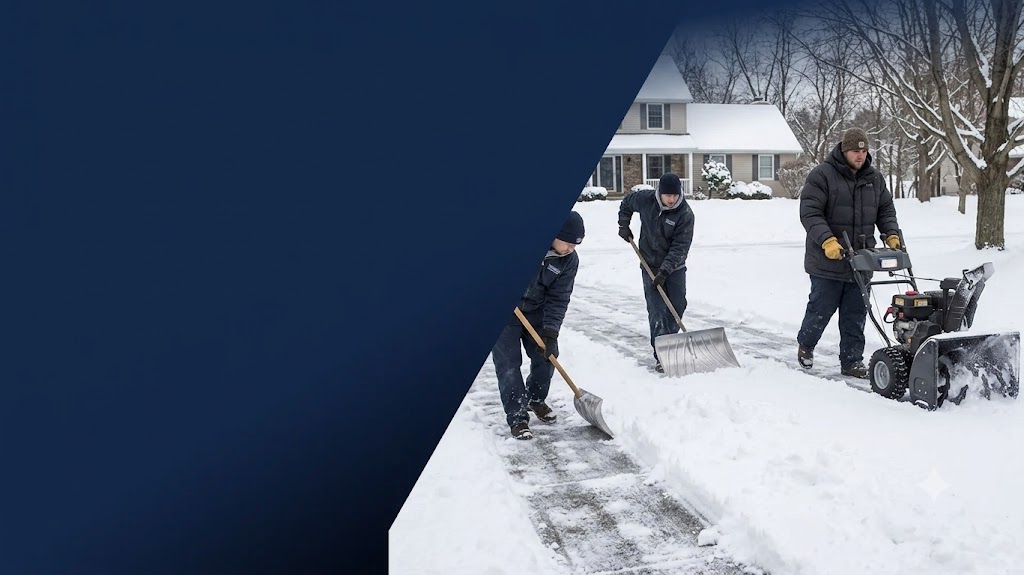
Dealing with heavy snow loads on your property can be a physical and technical challenge. Whether it’s clearing your sidewalks or ensuring your property remains safe and accessible after a blizzard, Ware Landscaping is here to help.
Need professional snow removal services?
Contact Ware Landscaping Today or call us to schedule your seasonal maintenance and ensure your property is ready for whatever the winter brings.