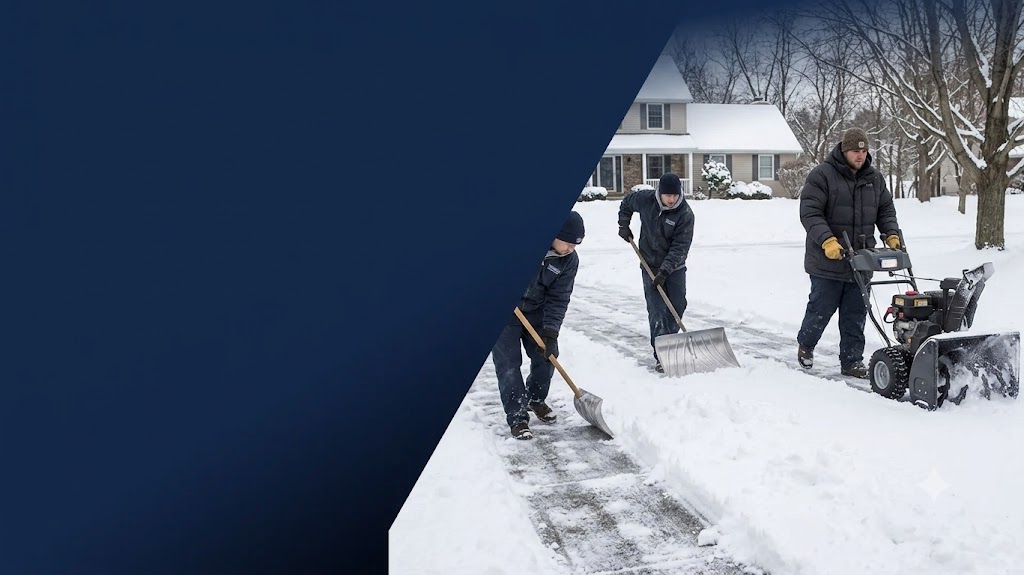

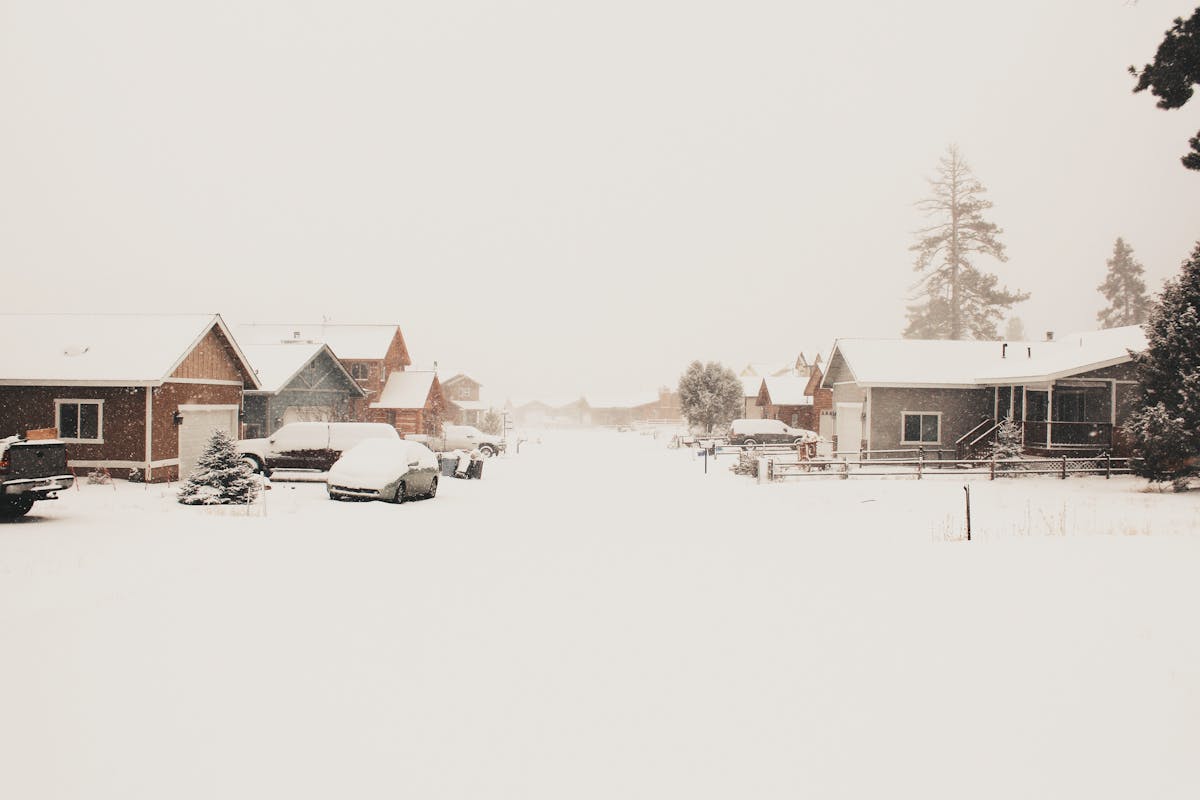
At Ware Landscaping, we know that winter in our region isn’t just a season; it’s a rigorous test of endurance for every homeowner. While a fresh blanket of snow looks beautiful on a postcard, it presents a serious set of challenges for your daily routine, your physical health, and your property’s integrity. Snow removal is a critical winter task that maintains accessibility and prevents accidents. However, with average annual shoveling-related injuries reaching approximately 11,500 in the United States, it is essential to approach this chore with preparation and professional-grade strategy.
Proper methods reduce the risk of slip-and-fall accidents and protect your home from long-term damage like foundation cracks or ice dams. In this guide, we have compiled 15 essential tips and “hacks” backed by expert advice to make your winter maintenance easier, safer, and more efficient than ever before.
Why Strategic Snow Removal Matters
Beyond the simple convenience of getting your car out of the driveway, snow removal is about liability and health. For homeowners, clear paths mean a lower risk of neighbors or delivery drivers slipping on your property. For business owners, it is a legal necessity to keep operations running smoothly. Furthermore, professional-level clearing prevents “environmental runoff” issues caused by the over-application of harsh salts, which can contaminate local waterways and harm your landscaping.
15 Essential Snow Removal Tips And Hacks
1. Spray Cooking Spray On Your Shovel
This is one of the most effective DIY hacks for heavy, wet snow. Apply a light coat of non-stick cooking spray or vegetable oil to the blade of your shovel. This prevents snow from sticking to the metal or plastic, allowing it to slide off effortlessly. It reduces the weight you carry with every scoop and speeds up the process significantly.
2. Shovel In Intervals During The Storm
Many people wait until the snow stops to start clearing. This is a recipe for back strain. Research suggests that clearing snow every one to two hours or every time two inches accumulate is much safer. Keeping the snow light prevents it from compacting into heavy, icy blocks that are much harder to move later.
3. Spread Sand Or Kitty Litter For Traction
If you aren’t looking to melt the ice but simply want to prevent a fall, reach for sand or non-clumping kitty litter. These materials provide immediate “grit” on slippery surfaces. Unlike salt, they are environmentally friendly and pet-safe, though you should be prepared to sweep them up once the spring thaw arrives.
4. Make A Homemade Ice Melt Solution
If you run out of commercial de-icer, you can create a highly effective alternative at home. Mix one teaspoon of eco-friendly dish soap, one tablespoon of rubbing alcohol, and a half-gallon of warm water. Pour this over your steps or walkways to break the bond between the ice and the pavement without the corrosive effects of rock salt.
5. Choose An Ergonomic Shovel
Not all shovels are created equal. An ergonomic shovel with a curved handle allows you to keep your back straighter while lifting. Lightweight materials like aluminum or reinforced plastic reduce the overall load on your heart and muscles. At Ware Landscaping, we always recommend “pushing” the snow whenever possible rather than lifting it.
6. Use The Tarp Method For Walkways
If you know a storm is coming, lay down a heavy-duty plastic tarp over your primary walkways or even your car. Once the snow stops, simply pull the tarp to a designated clearing area. This “instant clearing” method is perfect for small paths and saves you from having to scrape the ground.
7. Utilize A Leaf Blower For Light Snow
For “powder” snow that is less than three inches deep, a high-powered leaf blower is far more efficient than a shovel. It clears the surface without any physical contact, which is especially useful for protecting delicate surfaces like wooden decks or gravel paths.
8. Start Snow Blowing From The Middle
When using a snow blower, the most efficient path is to start in the middle of your driveway and blow the snow toward one edge. Then, make a U-turn and blow the next pass toward the opposite edge. This minimizes the need to constantly adjust the chute and prevents you from blowing snow onto areas you’ve already cleared.
9. Repurpose A Wet/Dry Vacuum
If you have a wet/dry shop vacuum, you can often switch the hose to the exhaust port to create a powerful, directed air blower. This is excellent for clearing snow out of tight corners, porch steps, or around delicate landscaping features where a full-sized blower won’t fit.
10. Attach A Back-Saver To Your Shovel
You can purchase add-on handles that attach to the middle of a standard shovel shaft. These “back-savers” provide a second handhold, improving your leverage and preventing you from having to bend as deeply. It is a small investment that pays huge dividends in spinal health.
11. Pre-Treat Surfaces With Anti-Ice Products
Prevention is the best cure. Applying a liquid anti-icer or a thin layer of magnesium chloride before the snow starts prevents the first layer from bonding to the ground. This makes subsequent shoveling much faster because the snow won’t “stick” to the driveway.
12. Plan Your Clearing Path In Advance
Don’t just start shoveling aimlessly. Map out where you intend to pile the snow. Ensure these piles are downwind and far away from the house to prevent melting runoff from entering your foundation.
13. Use Proper Lifting Techniques
When you must lift snow, always bend at your knees and keep the shovel close to your body. Avoid the “twist and throw” motion, which is the primary cause of lower-back injuries. Instead, pivot your entire body toward the area where you are depositing the snow.
14. Apply Ice Control Products After Clearing
Once the pavement is visible, apply a light layer of pet-safe de-icer to prevent “refreeze.” This is especially important if temperatures are expected to drop overnight, turning melted remnants into a dangerous “black ice” layer.
15. Clear Roofs Safely With A Snow Rake
Heavy snow on a roof can cause ice dams or structural strain. Use an extendable snow rake to pull snow down from the eaves while standing safely on the ground. Never climb onto a snowy roof yourself; the risk of a fall is far too high.
Essential Tool Comparison
| Tool | Use Case | Benefit |
| Ergonomic Shovel | Small areas/Sidewalks | Reduces back strain; lightweight. |
| Snow Blower | Large driveways | High efficiency; saves physical energy. |
| Roof Rake | Roof edges | Prevents ice dams from the ground. |
| Salt Spreader | Large walkways | Ensures even application of de-icers. |
Common Mistakes To Avoid
One of the biggest mistakes homeowners make is piling snow against the foundation of their home. As this snow melts, the water can seep into tiny cracks in the concrete, causing expensive structural damage or basement flooding. Additionally, avoid using high-chloride rock salt near your garden beds, as the salt runoff can “burn” the roots of your shrubs and perennials, leading to a brown, stunted landscape in the spring.
When To Call Ware Landscaping
Snow removal is a demanding job that carries real health risks, especially for those with heart conditions or back issues. If the task feels overwhelming, or if you simply want the peace of mind that comes with a professionally cleared property, Ware Landscaping is here to help. We use commercial-grade equipment and eco-friendly practices to ensure your home remains safe, accessible, and beautiful all winter long.
We are your local experts in property care, dedicated to providing reliable and professional service no matter how hard the winter hits. Stay warm, stay hydrated, and let us handle the heavy lifting!