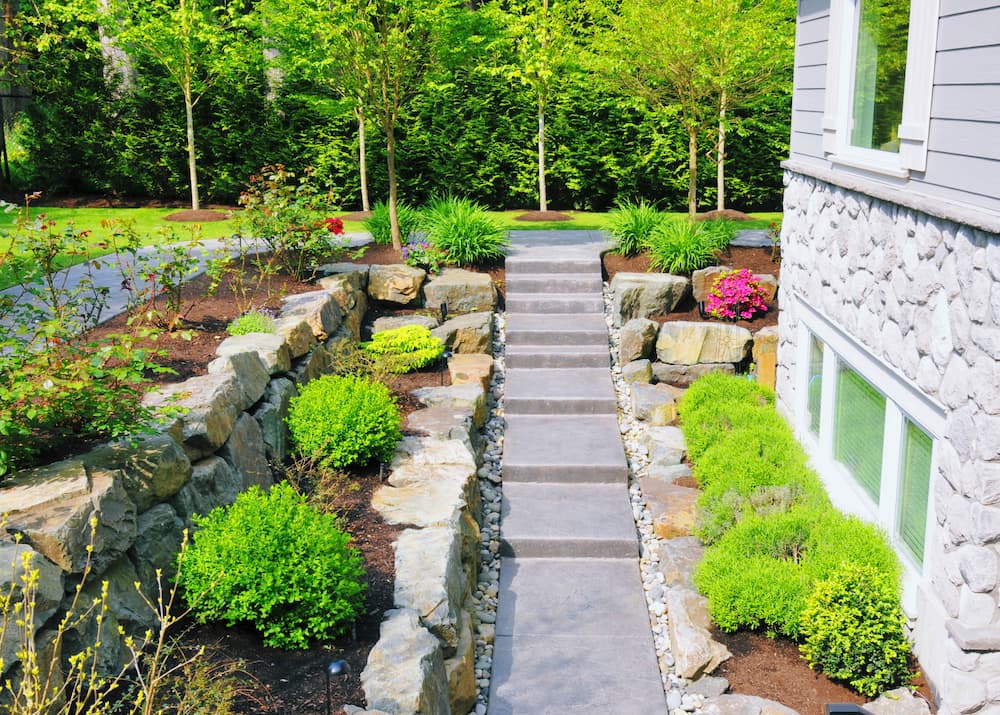

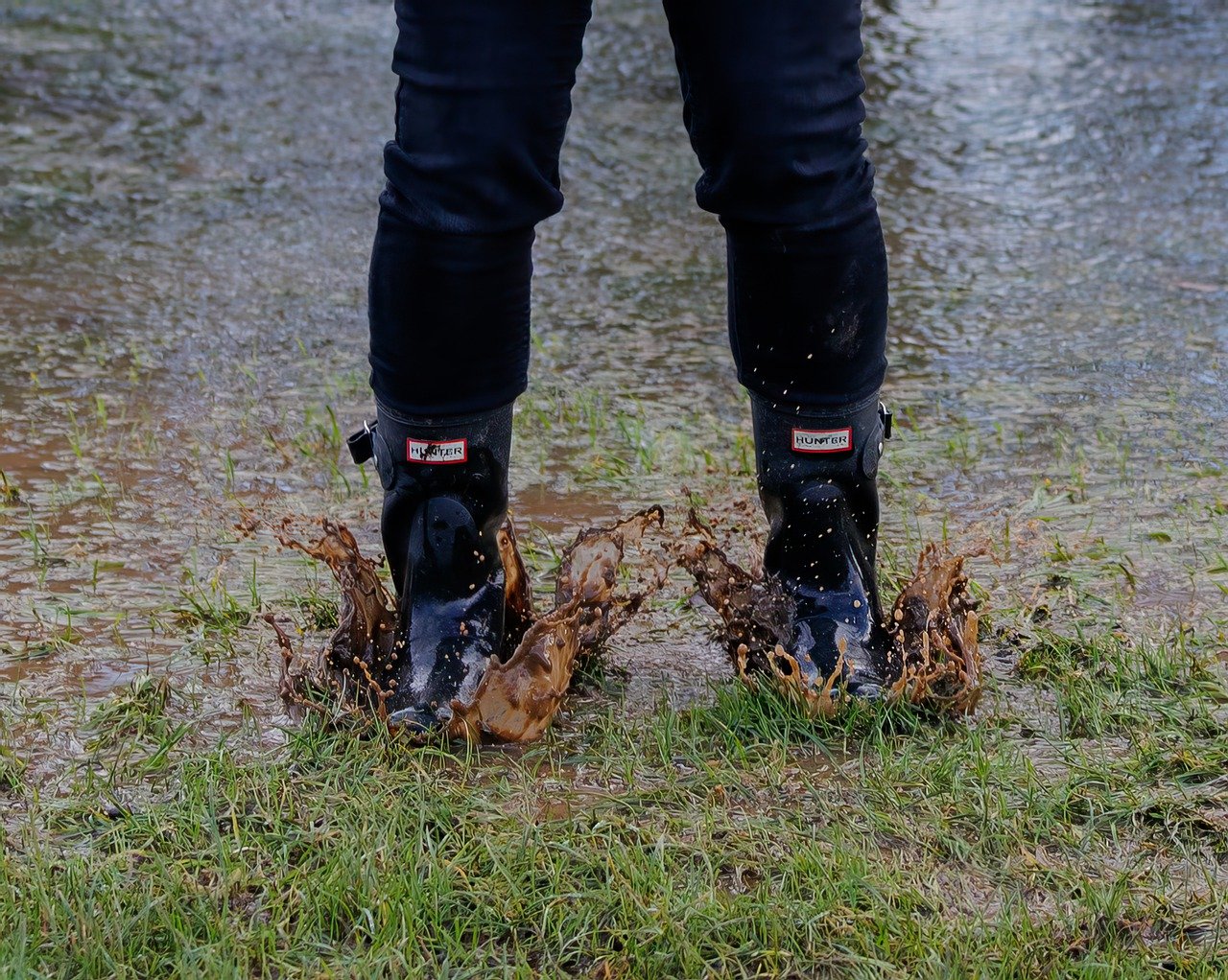
A rain garden is far more than a simple flower bed; it is a high-performance landscaping tool designed to address one of the most pressing challenges for modern homeowners: stormwater runoff. As urban and suburban development increases the amount of impervious surfaces like rooftops, driveways, and patios, rainwater has fewer places to go. Instead of soaking into the earth, it rushes into storm drains, carrying pollutants and causing erosion.
We specialize in merging aesthetic beauty with functional drainage. A strategically designed rain garden allows you to capture that runoff, filter out harmful contaminants, and recharge your local groundwater all while adding a stunning, low-maintenance feature to your yard.
Defining the Rain Garden
At its core, a rain garden is a shallow, landscaped depression designed to capture and absorb stormwater runoff. Unlike a pond, which is intended to hold water permanently, a rain garden is engineered to be dry most of the time. It typically holds water for only 12 to 48 hours after a rain event.
These gardens are planted with deep-rooted native plants and grasses that thrive in both wet and dry conditions. By using specific soil amendments often a mix of sand, topsoil, and compost the garden acts as a natural filter, removing up to 90% of nutrients and chemicals from the water before it reaches the water table.
How Rain Gardens Work
The functionality of a rain garden depends on a multi-layered system that mimics natural forest floors or prairies.
- The Basin: A shallow depression (usually 6–12 inches deep) that acts as a temporary reservoir.
- The Soil Matrix: In areas with heavy clay, we often replace native soil with a custom “rain garden mix” (60% sand, 20% loam, 20% compost) to ensure a high infiltration rate.
- The Plants: Native species with deep root systems (some extending 10–15 feet underground) create channels in the soil, allowing water to penetrate deeper than it would through a standard lawn.
- The Berm: A slight ridge on the downhill side of the garden that helps hold the water in place long enough for it to soak in.
Key Benefits for U.S. Homeowners
Rain gardens offer a triple threat of benefits: environmental, economic, and aesthetic.
1. Superior Water Management
Traditional lawns are surprisingly poor at absorbing water, especially during heavy Midwestern storms. Rain gardens can absorb 30–40% more water than a standard patch of turf. This helps prevent standing water in your yard and reduces the risk of basement floodinga primary concern for many of our clients in Naperville and the Chicago suburbs.
2. Pollutant Filtration
Runoff from your roof or driveway isn’t just water; it often carries oils, fertilizers, pet waste, and heavy metals. Studies from organizations like the EPA show that rain gardens can reduce these pollutants by significant margins before they reach our local rivers and lakes.
3. Habitat and Biodiversity
By using native plants, you create a sanctuary for local pollinators, including bees, butterflies, and birds. This supports the local ecosystem and provides year-round visual interest in your landscape.
Pollutant Removal & Volume Reduction
Research across the United States has quantified just how effective these systems are. The following table summarizes typical removal efficiencies based on studies from the USGS and various university extensions.
| Pollutant / Metric | Typical Removal Rate (%) | Research Source |
| Nutrients (Nitrogen/Phosphorus) | 40–60% | Center for Watershed Protection |
| Heavy Metals (Lead, Zinc, Copper) | 50–80% | International Stormwater BMP Database |
| Sediments | 80% | Groundwater Foundation |
| Stormwater Volume Reduction | 50–80% | USGS (Gary, Indiana Study) |
| Total Suspended Solids (TSS) | 70–80% | Oregon State University Extension |
Regional Plant Selection
The success of a rain garden depends entirely on choosing the right plants for your specific climate zone. At Ware Landscaping, we prioritize native species because they are acclimated to local weather patterns and require no fertilizers once established.
| Region | Recommended Native Species | Moisture Tolerance | Bloom Period |
| Northeast / Midwest | Switchgrass (Panicum virgatum), Bottlebrush Sedge | Wet to Dry | June – Oct |
| Southeast | Swamp Milkweed, Cardinal Flower | High (Wet) | June – Aug |
| West Coast | Red-Osier Dogwood, Pacific Ninebark | Mesic to Wet | May – July |
| General U.S. | Black-Eyed Susan, Purple Coneflower | Upland-Mesic | July – Sept |
Professional Installation vs. DIY
While a small rain garden can be a DIY project, professional installation ensures the system doesn’t accidentally cause more harm than good. At Ware Landscaping, our process involves:
- Infiltration Testing: We dig test pits to ensure your soil can actually handle the water volume. If the water doesn’t drain within 48 hours, we implement “Drainage Magic”integrating French drains or specialized pumps to move the water safely.
- Precise Sizing: We calculate the “contributing area” (your roof and driveway square footage) to ensure the garden is sized correctly. A garden that is too small will overflow, while one that is too large may be an unnecessary expense.
- Strategic Placement: We always ensure the garden is at least 10 feet away from your foundation to prevent structural water damage.
Common Misconceptions
- “Rain gardens attract mosquitoes.” False. Mosquitoes need 7–10 days of standing water to breed. A properly designed rain garden drains in less than two days.
- “It’s just a swampy mess.” False. When designed correctly, they are beautiful landscape features that look like intentional garden beds, not muddy holes.
- “They are expensive to maintain.” False. Once native plants are established, they require less water and no fertilizer compared to a traditional lawn.
Sustainable Drainage with Ware Landscaping
In the Chicago and Naperville areas, we deal with unpredictable weather and heavy clay soils that make drainage a constant struggle. A rain garden is a sophisticated, eco-friendly way to turn a “problem area” into a functional asset.
Whether you are dealing with a soggy backyard, a flooded basement, or you simply want to do your part for the environment, our team has the expertise to design a system that works for your property’s unique topography. We combine over 10 years of experience with a 10-year drainage guarantee to give you total peace of mind.
Ready to Transform Your Yard?
Don’t let another storm turn your yard into a swamp. Let the experts at Ware Landscaping design a custom drainage solution that enhances your property’s beauty and value.
Contact us today for a free on-site assessment:
- Naperville Office: 630-885-6370
- Chicago Office: 312-485-0470
- Online: Schedule a Consultation
At Ware Landscaping, we don’t just move water we master it.