
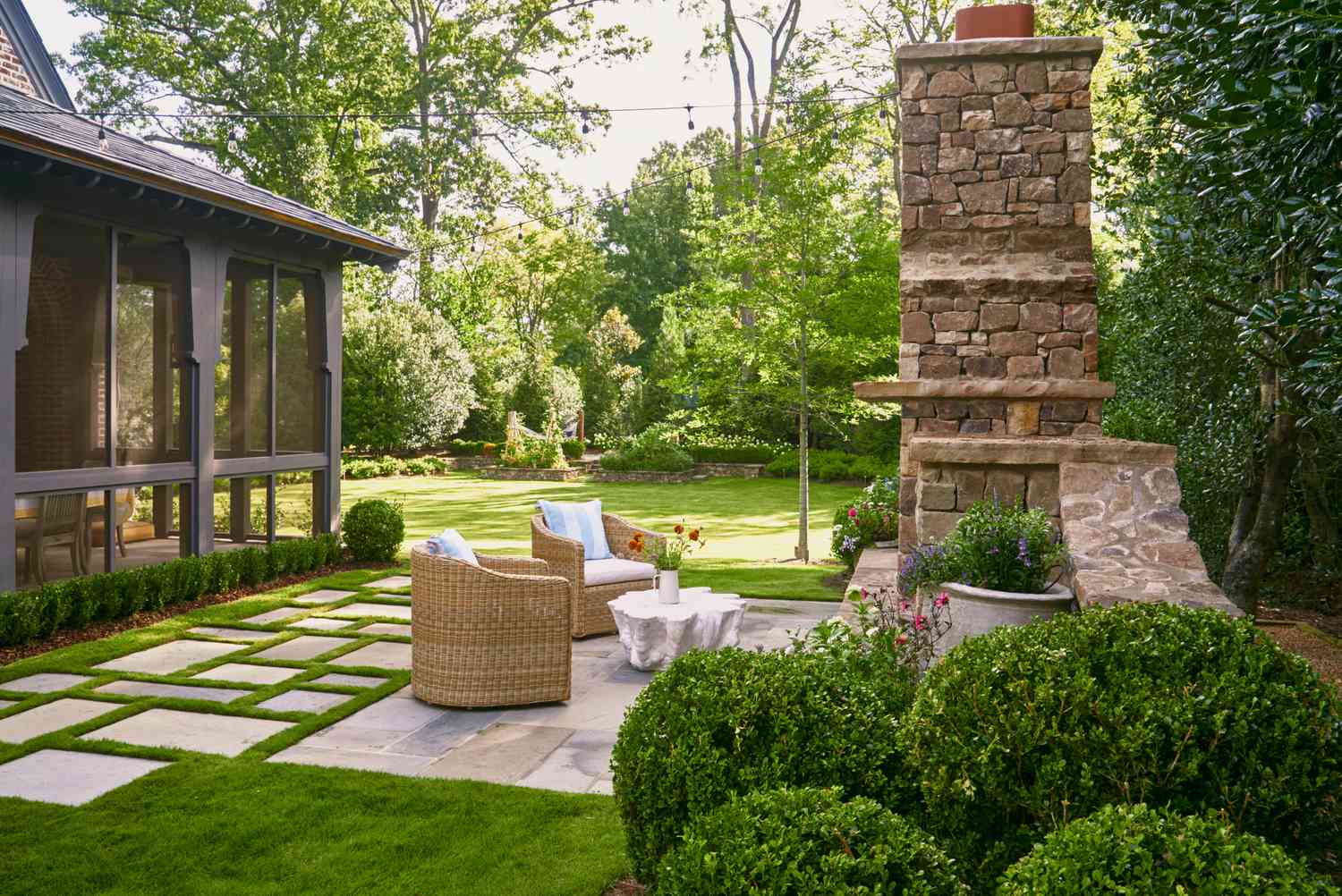
Arizona homeowners inherit a brutal backyard math problem the moment they move in: pavers that blister bare feet by June, turf that fades before Labor Day, and structures that were never engineered for a monsoon’s wind load. A concrete patio poured without accounting for where the sun sits in July, for instance, can stay too hot for bare feet well into the evening, while a ramada frame rated for calm weather can rack once a real monsoon gust hits it broadside. In the Phoenix East Valley, that reality has created steady demand for contractors who treat outdoor living as an engineering problem first and a design problem second. Tycho Solutions, a licensed general contractor (Arizona ROC #364735) that bundles roofing, exteriors, and backyard construction under one contract schedule, has built its backyard custom construction practice around that principle, serving both homeowners and builders across Mesa, Gilbert, Chandler, Queen Creek, San Tan Valley, and the surrounding East Valley. Readers who want to see the process in more detail can visit tychosolutions.us directly.
That combination, desert-tested materials paired with a single point of contractor accountability, is worth understanding before anyone breaks ground on a patio, ramada, or outdoor kitchen. Backyards in this part of Arizona are not just landscaping projects. They are construction projects that happen to end up outdoors, and they deserve the same planning rigor as a roof or a room addition. Skipping that rigor rarely shows up on day one. It tends to surface a season or two later, once a slab has heaved or footings prove too small for the soil underneath them.
Why does backyard construction work differently in the Arizona climate?
Desert heat, expansive clay-and-caliche soil, and short but intense monsoon downpours mean a backyard built to a generic, one-size-fits-all spec will crack, sink, or flood within a few seasons. Soil in much of the East Valley shifts as it wets and dries, which is exactly the kind of movement that breaks a patio slab poured without proper base preparation. A compacted aggregate base under pavers or hardscape resists that shifting far better than concrete poured straight onto native soil, and it gives water somewhere to go instead of pooling against a foundation. A paver patio set without that base compaction can look level at installation, then have the season’s first heavy monsoon saturate the clay beneath it and leave the joints lipped and uneven by fall.
Grading matters just as much as the surface material. A backyard that looks finished but slopes the wrong direction will send monsoon runoff toward the house instead of away from it, a problem that often does not show up until the first serious storm of the season, by which point water has already found its way against a stem wall or slab edge. Shade placement is the other variable that a national template misses. A ramada or pergola positioned without accounting for summer sun angles can end up shading the wrong half of the yard during the hottest months of the year, which defeats the point of building it.
What does a Tycho Solutions backyard project typically include?
A backyard custom construction project with Tycho Solutions moves through site evaluation, grading and drainage work, hardscape installation, and structural additions before lighting or planting go in. The sequence generally looks like this: a site walk to assess soil, drainage, and sun exposure; a grading and drainage plan that routes water away from the home; base preparation using compacted aggregate; installation of pavers, turf, or other hardscape surfaces; and construction of structures such as ramadas, pergolas, outdoor kitchens, or fire features. Electrical work and landscape lighting typically close out the build, since running conduit later would mean trenching back through a finished surface.
“People assume a backyard is the easy part of a house,” said Michael Thooft, a project coordinator at Tycho Solutions. “It’s not. You’re dealing with drainage, soil movement, and heat exposure all in the same footprint, so the prep work underneath the patio matters as much as what the patio looks like on top.”
That framing, that a backyard is a system rather than a single surface, matches how Tycho Solutions describes its own approach: building spaces meant to blur the line between indoor and outdoor living rather than installing a slab and walking away. It also means the same crew that assesses a yard’s drainage on day one stays accountable for how that yard performs the following monsoon season.
Comparing common backyard surface options
Homeowners planning a project usually weigh the same handful of surface choices. Here is how they generally compare in a desert climate:
| Feature | Poured Concrete | Engineered Paver System | Synthetic Turf |
|---|---|---|---|
| Heat retention | High, surface stays hot into the evening | Moderate, varies by color and material | Low to moderate with heat-resistant infill |
| Repair approach | Full slab replacement if cracked | Individual pavers can be reset or swapped | Section replacement or reseaming |
| Drainage handling | Depends entirely on slope at pour time | Joints allow water to permeate the base | Requires a properly graded, permeable base |
| Design flexibility | Limited once poured | High, patterns and borders can be customized | High for shape, limited for texture |
| Best suited for | Simple, straightforward slabs | Patios, walkways, outdoor kitchens | Play areas, pet zones, low-water yards |
None of these options is universally correct. The right choice depends on how the space will be used, how much shade it gets, and how the yard drains as a whole, which is why the evaluation step at the start of a project carries so much weight. A household with young children or pets, for example, may value turf’s forgiving surface over a paver patio’s design flexibility, while a family that entertains outdoors year round may prefer pavers around a kitchen or fire feature precisely because individual units can be reset without redoing an entire section.
How does backyard work fit into the wider Tycho Solutions approach?
It fits as one of seven services, alongside roofing, windows and doors, HVAC, painting and stucco, solar, and insulation, that Tycho Solutions delivers under a single contractor license rather than a rotating cast of subcontractors. The company markets this as “whole house under one schedule,” a positioning that matters for backyard projects specifically because outdoor structures often intersect with other trades. A ramada with an integrated roof line touches the same crew and planning process as a re-roof, since flashing where it ties into the house must match the home’s own roofing system. An outdoor kitchen wired for lighting and appliances touches the same electrical planning as work elsewhere on the property, so load and panel capacity get considered once for the whole house rather than by a separate crew unaware of what else draws power.
Tycho Solutions also works directly with builders and developers under its “Arizona’s Vision Builder” positioning, so the backyard division is not purely a retail, one-off service. It supports new construction and custom home builds where backyard hardscape and structures are planned alongside the rest of the property from the start, rather than added as an afterthought once the house is finished, so grading for the lot is resolved once instead of redone around a house already built.
What should homeowners ask before starting a backyard project?
Homeowners should ask how a contractor plans to handle drainage and soil prep before asking about surface materials or structures, since a beautiful patio built on the wrong base will fail regardless of what sits on top of it. Other useful questions include how sun exposure was assessed before placing a shade structure, since a ramada oriented by eye rather than by actual seasonal sun angles can shade the wrong stretch of yard for most of the year; whether the crew building the hardscape is the same crew handling any adjoining roof or electrical work, since a handoff between unrelated crews is where flashing details and wiring runs tend to get missed; and how the contractor sequences grading, base work, hardscape, structures, and lighting, since doing those out of order leads to trenching back through a finished patio later.
For East Valley homeowners in Mesa, Gilbert, Chandler, Queen Creek, and San Tan Valley, that sequencing question is often the difference between a backyard that holds up through a second or third monsoon season and one that needs rework within a year or two. Tycho Solutions positions its backyard custom construction service around exactly that sequencing, treating the space behind the house as an extension of the home’s construction rather than a separate landscaping afterthought. For homeowners and builders comparing options in the region, that whole-property mindset, backed by a licensed general contractor with roofing, exteriors, and backyard trades under one roof, is the detail worth asking every bidder about before signing a contract.