

At Ware Landscaping, we know that winter in our region brings more than just beautiful snow-covered views; it brings a unique set of maintenance challenges for every homeowner. While most people focus on shoveling their driveways or clearing their sidewalks, there is one critical area of your home that often goes overlooked until something goes wrong: the sewer air vent.
Often referred to as a plumbing vent stack, this pipe typically protrudes from your roof. Its job is simple but vital: it allows air into your plumbing system to maintain proper pressure and ensures that sewer gases are safely vented away from your living space. When snow piles up or ice forms inside this pipe, your home’s plumbing can’t “breathe,” leading to slow drains, gurgling toilets, and unpleasant odors. In extreme cases, a complete blockage can lead to dangerous methane buildup or sewer backups that are both costly and hazardous.
In this comprehensive guide, we’ll walk you through the safest and most effective ways to clear these blockages and, more importantly, how to prevent them from happening in the first place.
Understanding the Problem: Why Do Vents Freeze?
Sewer air vents don’t just get blocked by falling snow; they often freeze from the inside out. As warm, moist air from your home’s drains rises through the stack, it hits the freezing outdoor temperatures at the roofline. This causes condensation to form on the interior walls of the pipe. In extreme cold, that condensation turns into frost or ice. Over time, this buildup can grow inward, eventually sealing the pipe completely like a cork in a bottle.
This is especially common in regions with prolonged sub-zero temperatures where vents may frost over if the pipe is undersized (e.g., 2 inches instead of 3 or 4 inches). Furthermore, snow accumulation from heavy storms can bury the vent externally, providing a base for melting snow to refreeze inside the opening.
Common signs of a blocked vent include:
- Gurgling Sounds: Toilets that gurgle when you use a nearby sink or shower drain.
- Slow Drainage: Bathtubs or sinks that drain slowly despite having no physical clogs in the local traps.
- Sewer Gas Odors: A faint or strong smell of “rotten eggs” inside the home, indicating that gases are being forced back through the traps rather than escaping through the roof.
Primary Approach: Safety First
Before we dive into the “how-to,” we must emphasize safety. Roofs are incredibly dangerous in the winter. Shingles can be slick with “black ice” that is invisible from the ground, and a fall from even a single-story roof can be life-altering. At Ware Landscaping, we always recommend a ground-based approach first. Standing on solid earth is always safer than balancing on a frozen pitch. If you must access the roof, never do so alone, always use proper safety harnesses, and ensure your ladder is secured on a non-slip surface.
Tools and Materials Needed
To handle a blocked vent effectively, you may need a combination of the following items:
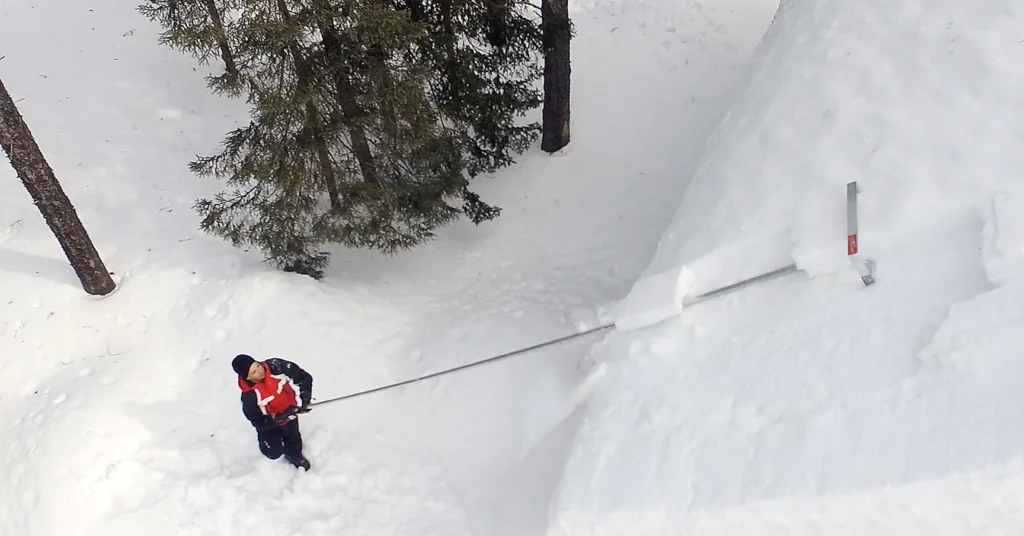
- A Long-Handled Roof Rake: Ideally with a plastic or rubber blade to avoid damaging your shingles or the vent cap.
- Garden Hose: Connected to a warm water source (like a laundry room utility sink).
- Insulation Materials: Fiberglass wraps, Armaflex tubes, or foil barriers for preventive measures.
- Shop Vacuum: Useful for blowing warm air or removing melted water from the stack.
- Hair Dryer or Heat Gun: For targeted thawing if you have attic access.
- Plumber’s Snake: To gently break up mechanical ice blockages.
Step-by-Step Removal Process
If you suspect your vent is blocked, follow these steps to restore airflow to your home safely.
1. Assess the Situation
Start by looking at your roof from the ground. Can you see the vent stack? Is it buried under a mound of snow? If the vent is visible but you’re still having drainage issues, the blockage is likely internal ice rather than external snow. Use binoculars if you need a closer look without climbing.
2. Clear External Snow (The Ground Method)
Use your roof rake to gently pull snow away from the area surrounding the vent. Stand on stable ground and pull the snow toward the eaves in small, controlled sections. Do not strike the vent pipe itself; frozen PVC can become brittle and crack under impact. Removing the surrounding snow prevents more meltwater from trickling into the vent and refreezing as the temperature drops at night.
3. Thaw Internal Ice
If the blockage is internal, you need to introduce heat. There are two main ways to do this:
- The Warm Water Flush: From a safe vantage point (either a secure ladder or an attic clean-out), pour warm water down the pipe. Caution: Avoid boiling water. Extreme temperature differences can cause “thermal shock,” which may crack your PVC or cast-iron pipes. A steady stream of warm water is much safer and highly effective at melting ice cores.
- The Attic Heat Method: If your vent pipe is accessible in the attic, you can use a hair dryer or a portable heater with a blower to warm the exterior of the pipe. This method is slow but safe, as it sends warm air upward to melt the ice from the bottom up.
4. Remove Excess Water
If the ice has melted but the water isn’t draining away (perhaps due to a secondary blockage further down), use a wet/dry shop vacuum to remove the standing water. This prevents the water from refreezing into a solid plug once you stop the heating process.
5. Test the System
Once you believe the vent is clear, run hot water in your sinks for several minutes. The steam rising through the plumbing will help melt any remaining frost and confirm that the air is flowing freely through the stack.
Preventive Strategies: Stop the Freeze Before It Starts
At Ware Landscaping, we believe the best maintenance is the kind you don’t have to do twice. Here is how you can winterize your plumbing vents:
- Insulate the Pipe: One of the most effective fixes is to wrap the section of the vent pipe that sits in your attic with fiberglass or foam insulation. This keeps the air inside the pipe warmer, preventing condensation from freezing before it can exit the roof.
- Enlarge the Vent: In older homes with narrow 2-inch vents, we recommend having a professional “bump up” the final section to 4 inches. Larger diameters are much harder for frost to bridge.
- Install a Frost-Free Cap: Specialized vent caps, such as the Arctic Vent, use double-walled designs to insulate the exit point, making it nearly impossible for ice to seal the opening.
Summary of Removal Methods
| Method | Best For | Pros | Cons |
| Roof Rake | External Snow | Safest method; no climbing required. | Doesn’t fix internal ice. |
| Warm Water | Internal Ice | Very fast and effective at clearing plugs. | Runoff can create ice patches on the roof. |
| Heat Blower | Attic Access | No water mess; extremely safe for pipes. | Takes longer for thick ice blockages. |
| Insulation | Prevention | Permanent fix for many homes. | Requires attic work or professional install. |
Precautions and Common Mistakes
- Avoid Salt: Some homeowners are tempted to throw rock salt down the vent. Please avoid this. Salt is corrosive and can damage your plumbing seals, metal components, and even your roofing shingles as it washes away.
- Don’t Use Open Flames: Never use a blowtorch to thaw a PVC pipe. You risk melting the pipe or starting a fire in your attic or roof.
- Check Your Runoff: If you use a hose to thaw the vent, ensure the water isn’t pooling near your home’s foundation or on walkways, which could create a “skating rink” hazard for your family.
When to Call a Pro
While clearing a vent is a manageable DIY task for many, there are times when it’s best to call in the experts. If your roof is too steep, if the ice is persistent despite your efforts, or if you suspect the pipe has already cracked, a professional plumber or a property maintenance specialist is your best bet.
At Ware Landscaping, we are dedicated to helping our community navigate the challenges of the seasons. Whether it’s clearing your driveway, managing your sidewalks, or offering advice on keeping your home in top shape, we’re here to help. If you’re overwhelmed by the winter weather, don’t hesitate to reach out for professional snow removal and property care. Stay warm, stay safe, and keep those vents clear!