

After a heavy storm, indoor water can point to more than one problem. Rain may collect beside a foundation, overflow a gutter, enter through an opening, or overwhelm a drain. Water inside can affect flooring, walls, stored items, and nearby spaces. Fixing the outdoor route and recovering the indoor space are related tasks, but often need different inspections and contractors.
For homeowners, property managers, and landscape professionals, coordination starts by separating the water’s outdoor path from its indoor effects. A drainage repair can reduce recurrence risk; an interior restoration assessment addresses affected building materials. Neither scope automatically includes the other.
Observe from a safe place
Once conditions are safe, note where water gathered, where it appeared indoors, and when you first noticed it. Photos taken from dry, stable areas can help show water paths, staining, damaged finishes, or the condition of gutters and downspouts. Record recent changes such as a blocked outlet, disturbed planting bed, new hardscape, or a door that no longer closes fully. These are observations to discuss with a qualified professional, not proof of the cause.
Stay away from standing water where electrical equipment may be affected, unstable or restricted areas, and unfamiliar debris. Do not open walls or remove flooring to investigate. If water is still entering, contact the responsible property representative or an appropriate emergency professional. Follow directions from authorities or utilities when relevant.
Give the drainage contractor a clear exterior picture
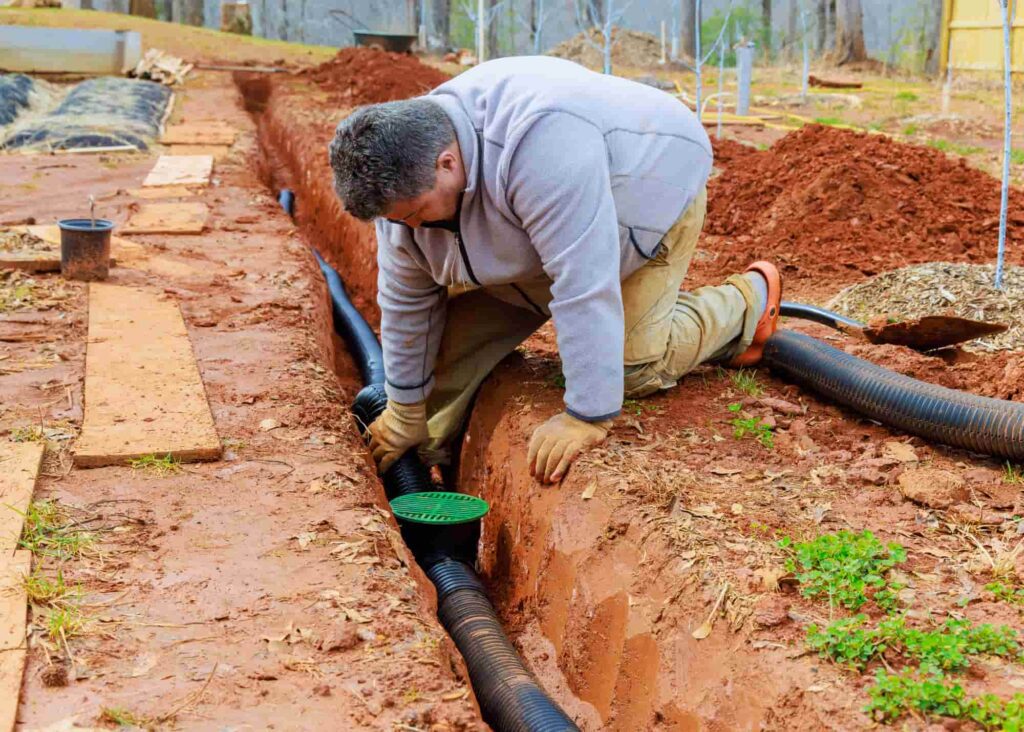
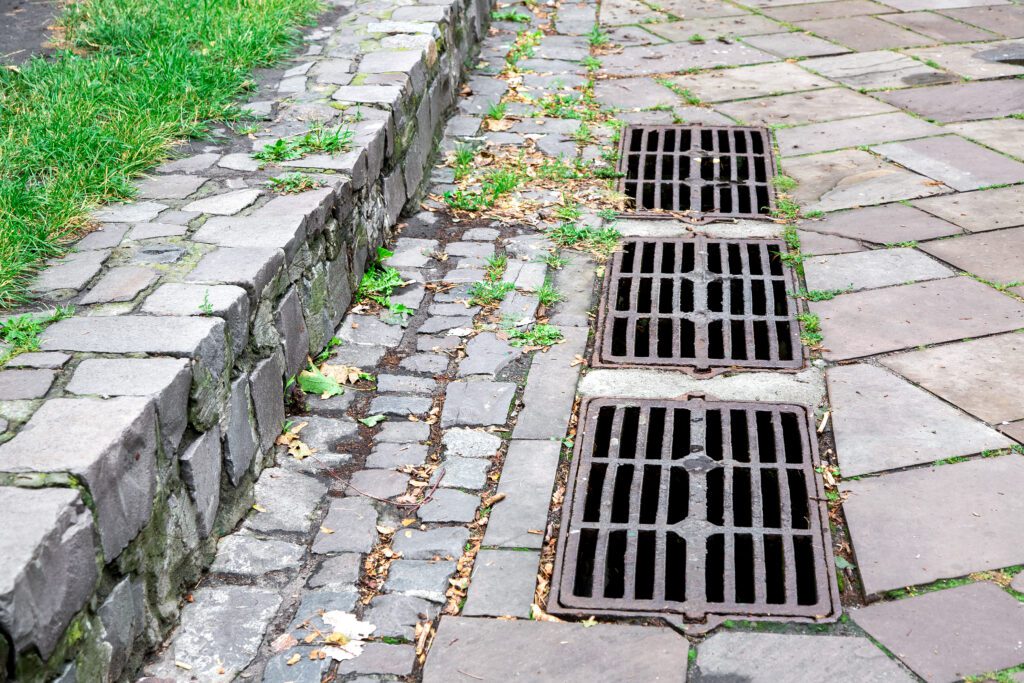
A landscape or drainage professional can assess surface flow, grading, downspout discharge, inlets, drainage lines, and other site features within that professional’s scope. Share the location and timing of ponding, any visible change to the yard, and what you observed inside. Ask what the inspection will cover and whether the proposed work addresses the water path identified at the property.
Possible work varies by site: clearing an outlet, correcting a discharge point, adjusting a landscape feature, or evaluating a drainage system. The contractor should inspect before recommending a fix. A new drain or grade change in one place may not solve water entry elsewhere; utilities, neighbors, local requirements, and stormwater practices can affect what is appropriate.
Clarify whether the exterior proposal includes diagnosis, repair, and cleanup. A separate specialist may be needed for a roof, plumbing line, foundation, or building envelope. For shared sites, identify who can authorize inspection and communicate with occupants. The landscape contractor should not be presumed responsible for every indoor condition.
Ask for a separate interior assessment
Inside, a restoration professional can inspect visible conditions, identify materials that may have been affected, and explain the proposed water removal, drying, cleaning, or material work. The assessment should identify spaces inspected and any areas that could not be accessed. Wet surfaces do not show the full boundary of moisture, so ask how the provider will evaluate adjacent rooms or concealed areas when the conditions call for it.
The written scope should make the work understandable: which rooms and materials are included, what steps are proposed, what is excluded, and how new findings will be documented and approved. Source repair and interior restoration may be separate contracts. So may electrical evaluation, plumbing work, roofing, reconstruction, or specialized material assessment. Ask each provider to describe its role and handoff points before relying on an assumption that one crew covers the entire event.
If you see visible mold or remain uncertain about moisture conditions, EPA guidance recommends correcting the moisture source and consulting qualified professionals when needed. Do not paint or caulk over visible mold. EPA’s mold and moisture guide explains why controlling moisture is central to addressing the problem.
Keep the exterior and interior work connected
Give both contractors the same timeline, relevant photos, and known access limits, with the property owner’s permission. Ask each to record what was inspected and what the proposed work addresses. Keep recommendations distinct so an exterior drainage finding is not mistaken for an interior assessment.
Plan around sequencing: outdoor work may affect an entrance or tenant access while interior drying limits use of the same area. Identify who coordinates access, notices, and schedule changes. If water is still entering, the responsible professionals should coordinate the next step; do not close a task based only on appearance.
A simple storm-recovery handoff
Before work begins, write down the basic handoff:
- Where and when water was observed outdoors and indoors.
- Which locations each professional inspected, and which remain unknown.
- The exterior repair being proposed and the interior recovery work being proposed.
- Any separate trade, access, or approval needed before either scope can proceed.
- Who will share updates and preserve photos, observations, and decisions.
This record helps a property owner compare recommendations and follow the work without confusing drainage improvements with drying or restoration. It also gives landscape professionals a clearer view of what the property team has observed, while keeping building-system and indoor-material questions with the appropriate specialists.
For property owners in Washington, Total Dry Restoration’s service information provides one starting point when looking for a provider to discuss indoor water damage. Owners elsewhere should identify an appropriate restoration company serving their area. For any provider, describe what is known, ask what remains uncertain, and get the proposed responsibilities and documentation in writing. Addressing both the route water takes outside and the materials it affects indoors gives each professional a clearer task and the property team a more organized recovery plan.