

Sidewalk Snow Removal Equipment matters more than people admit, especially when winter turns your walkway into a liability. You want clear paths, fewer slip risks, and gear that won’t drain your time or wallet. This guide breaks down what works, what doesn’t, and how to choose tools that fit your property and your routine.
Why Sidewalk Snow Removal Equipment Matters
You need tools that match the size of your walkway, your climate, and the amount of time you’re willing to spend outside in freezing weather. Most sidewalks are 36–48 inches wide, which means you need compact, easy‑to‑maneuver tools. Let snow sit too long and it compacts into ice, making the cleanup harder and increasing injury risks.
Many cities require you to clear snow within 24–48 hours after a storm. Ignore it, and you risk fines or someone slipping on your property. If you live in areas like Minnesota or New York, the rules can be strict, especially around accessibility. That’s why having the right tools before the storm hits isn’t optional.
The Main Types of Sidewalk Snow Removal Equipment
Choosing tools shouldn’t be complicated. Here’s the quick breakdown.
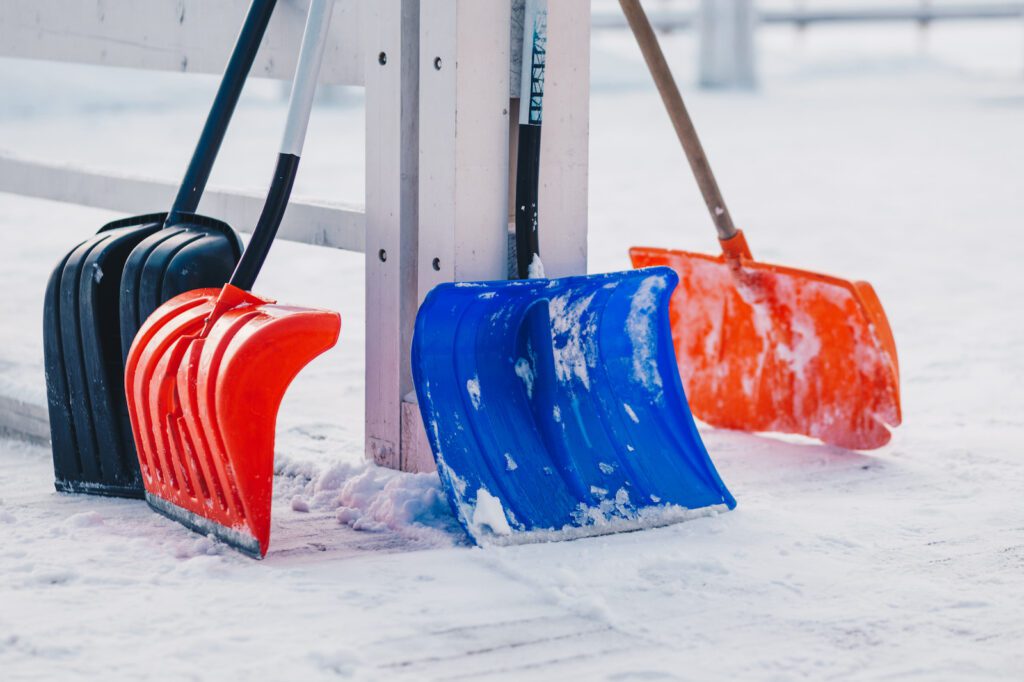
Manual Tools
Best for: Light snow under 4 inches.
- Standard shovels
- Ergonomic/bent‑handle shovels
- Ice chippers
Pros: Cheap, no fuel, no noise.
Cons: Hard work, higher injury risk.
Cost: $20–$115
Electric Snow Shovels and Throwers
Best for: Moderate snow (4–8 inches) on narrow walks.
- Corded or battery‑powered
Pros: Quiet, lightweight, low maintenance.
Cons: Battery limits or cord hassle.
Cost: $100–$300
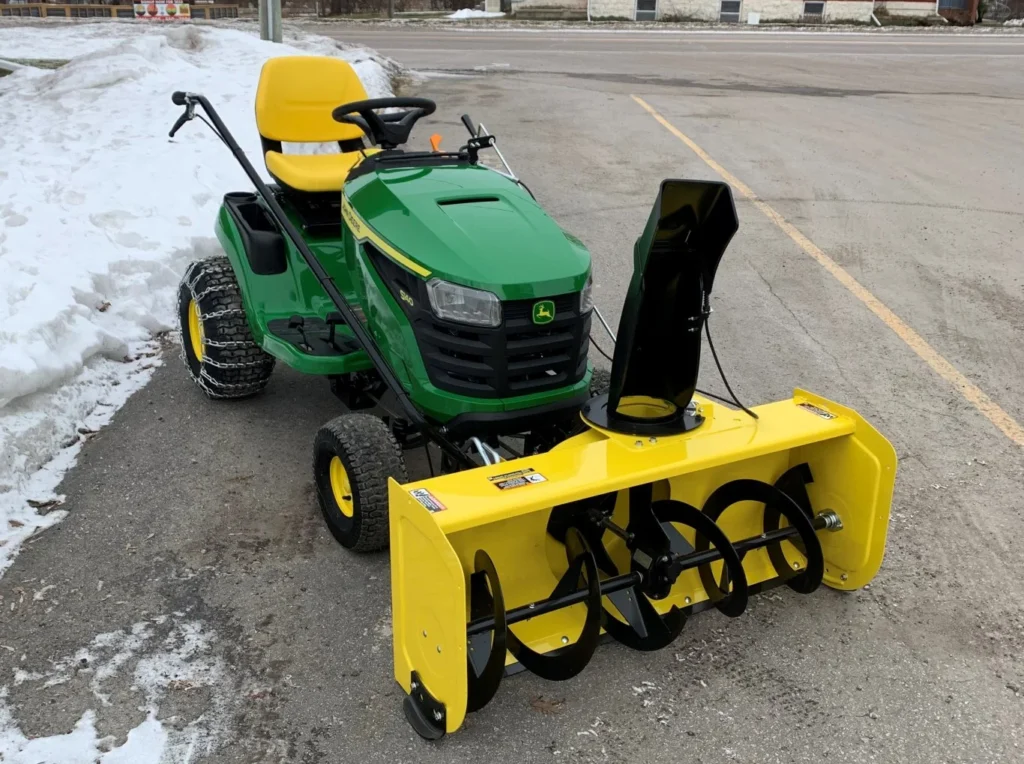
Gas Snow Blowers
Best for: Heavy snowfall (8+ inches), long sidewalks.
- Single‑stage or two‑stage
Pros: Powerful and fast.
Cons: Noisy, fumes, fuel upkeep.
Cost: $250–$2,300
Power Brooms
Best for: Dry snow and post‑blower cleanup.
Pros: Great for clearing down to pavement.
Cons: Not effective on wet or deep snow.
Cost: $200–$1,000
Salt Spreaders and Deicers
Best for: Ice prevention after clearing.
Pros: Keeps surfaces safe.
Cons: Salt harms soil and concrete.
Cost: $50–$300
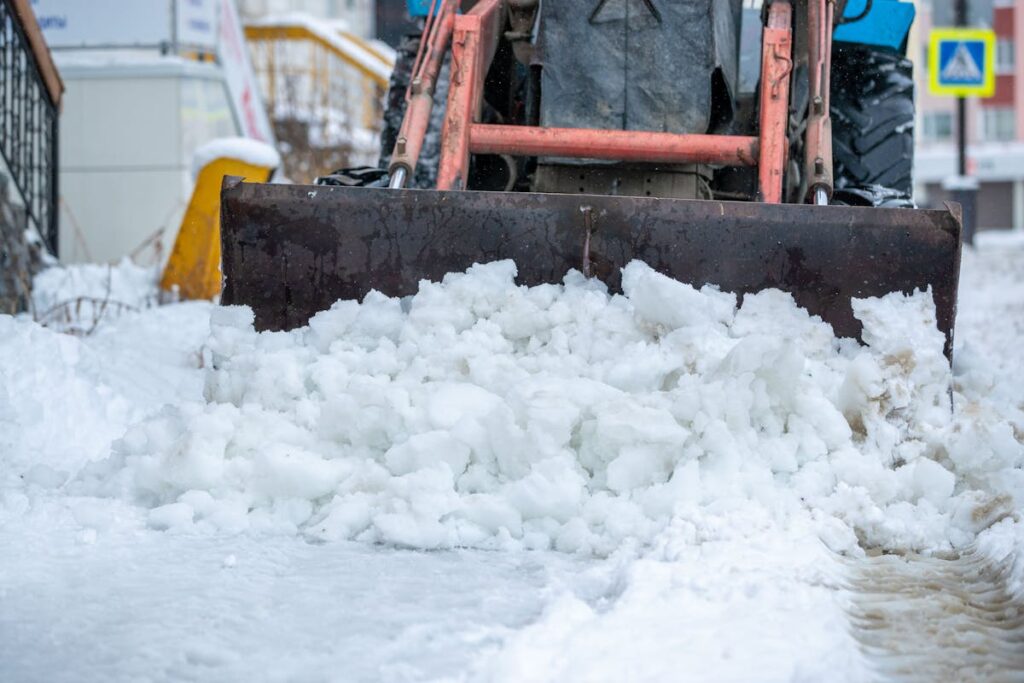
Compact Plows
Best for: Commercial properties and long sidewalks.
- Zero‑turn units
- Tracked mini‑plows
Pros: Fast, strong, and maneuverable.
Cons: Expensive and need storage space.
Cost: $5,000–$12,000
Autonomous Robots
Best for: Hands‑free snow clearing.
Pros: App‑controlled, precise.
Cons: High upfront cost.
Cost: $3,000–$5,000
Shovels vs. Snow Blowers: The Real Difference
A shovel works, but it’s slow and physically demanding. Snow blowers clear faster and reduce strain, but you pay more upfront and deal with maintenance. Electric blowers offer a middle ground—lighter, cleaner, and perfect for average homeowners.
Eco‑Friendly Approaches
If you care about the environment, skip traditional rock salt where possible. Options like calcium magnesium acetate or sand reduce harm to plants and waterways. Battery‑powered tools also cut emissions and noise.
Heated mats are another option—they melt snow automatically without chemicals. They cost more upfront but save time.
Safety Tips
- Warm up before shoveling.
- Push snow instead of lifting it.
- Wear boots with strong traction.
- Keep hands clear of blades or augers.
- Remove debris before running powered tools.
Maintenance Basics
- Wipe down tools after use.
- Store in a dry place.
- Replace worn blades.
- Change gas blower oil once a year.
- Store batteries charged.
What Should You Buy?
If you have a small walkway and light snow: manual shovel or electric thrower.
If you have long sidewalks or frequent storms: gas or battery blower.
If you manage commercial spaces: compact plow or robotic unit.
Your budget matters, but so does reliability. A cheap tool that slows you down ends up costing you more time and stress.
Sidewalk Snow Removal Equipment is the difference between a safe, clear path and a winter headache.
When to Hire an Expert
You don’t always need to outsource, but there are moments when calling a pro saves you time, risk, and long-term damage.
You should bring in an expert when:
- Snowfall is too heavy for your tools to handle. Anything over 12 inches can overwhelm basic equipment.
- Your sidewalks are long or part of a commercial property, where consistency and speed matter.
- Ice buildup is already severe, and you need specialized deicing without damaging concrete.
- You physically can’t shovel or use a blower, whether due to age, injury, or simple time constraints.
- Storms hit back-to-back, and you don’t have the bandwidth to keep up.
Professionals come with stronger equipment—compact plows, heavy-duty blowers, and commercial deicers. They move faster, reduce slip risks, and help you stay compliant with local clearing rules.
Hiring out isn’t about luxury. It’s about keeping your property safe when winter pushes past what your gear can handle.
Need Help? Ware Landscaping Has You Covered
When winter gets ahead of you, you don’t need to fight it alone. Ware Landscaping handles snow the way it should be handled—fast, precise, and without excuses. Whether you’re dealing with heavy accumulation, icy sidewalks, or a property that needs consistent upkeep, their crew shows up with the right equipment and gets your paths safe again.
If you want reliable clearing without the stress, reach out to Ware Landscaping and let the experts take winter off your plate.